THE ADVENTURE COLLECTIVE® · Independent discovery and booking for outdoor travel

Travel from Amman’s white city to Petra’s carved canyon, float in the Dead Sea, and ride a 4x4 through Wadi Rum on this concentrated 6-night Jordan tour. Expect Roman ruins, Nabatean tombs, and desert panoramas with practical pacing and local guides.
Travel from Amman’s white city to Petra’s carved canyon, float in the Dead Sea, and ride a 4x4 through Wadi Rum on this concentrated 6-night Jordan tour. Expect Roman ruins, Nabatean tombs, and desert panoramas with practical pacing and local guides.
Morning light inks the white city of Amman as the tour vehicle pulls away — a low hum that will carry travelers from Roman columns to crimson desert in the space of a week.
Verified experiences and guided adventures in the surrounding area.
Operated by Zaid Tours and Travel · Amman, Amman Governorate
Morning light inks the white city of Amman as the tour vehicle pulls away — a low hum that will carry travelers from Roman columns to crimson desert in the space of a week.
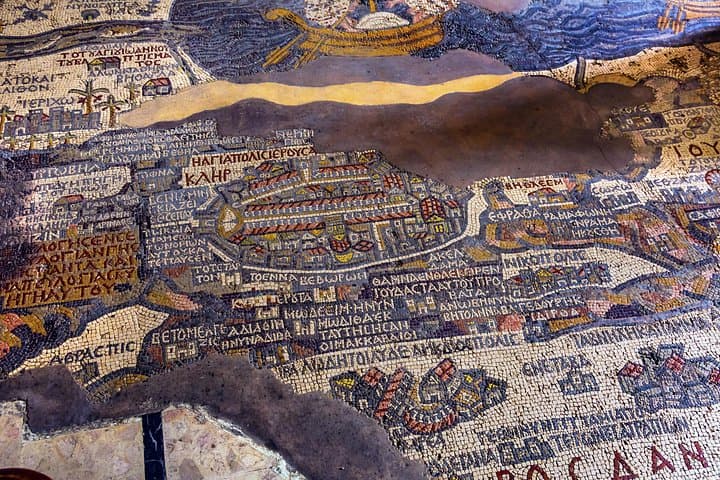
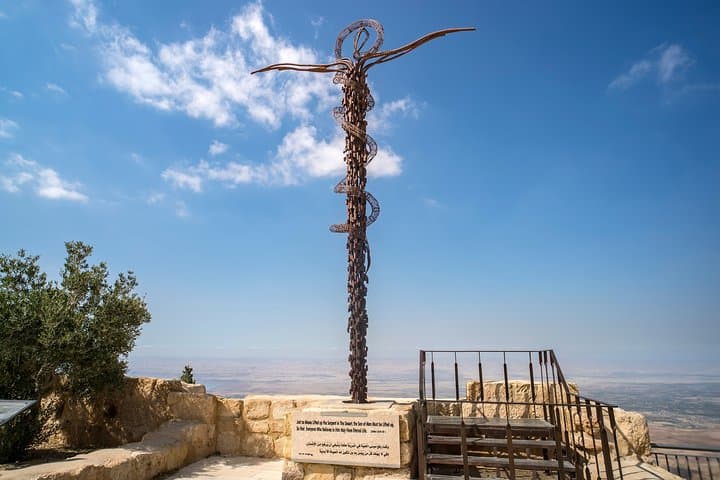
The route threads through layers of history: the colonnaded streets of Jerash that declare Rome’s reach, Madaba’s Byzantine mosaic map, the view from Mount Nebo where the landscape opens toward the Jordan Valley, and Petra’s rose-red facades carved by the Nabateans into sandstone. Geology is a protagonist here: Petra’s soft sandstone holds centuries of weather and carving, while the Dead Sea sits 430 meters below sea level as a hypersaline basin shaped by tectonics and evaporation. Wadi Rum’s sculpted domes and wind-carved canyons make the desert feel alive — dunes that shift color and slopes that dare you to climb for the view.
Culturally, the trip moves through Bedouin country and modern Amman, where hospitality and coffee set the tone. Practicalities matter: expect 5–10 km of walking on Petra days (uneven stone, steep sections to the Monastery), a 2-hour 4x4 jeep in Wadi Rum over sand and rock, and a half-day at the Dead Sea where flotation is effortless but skin stings if you shave beforehand.
Pack sun protection, sturdy shoes, and a refillable water bottle. Start outdoor days early to avoid peak heat, respect modest dress at religious sites, and budget time for photography stops on the Kings’ Highway and in the desert. With a local English-speaking driver-guide, the pace balances immersive sites and straightforward logistics — a compact, tangible immersion in Jordan’s archaeology, landscape, and living culture.
moderate.
6–7 days.
Should be comfortable walking 3–6 miles over uneven terrain and handling short climbs; good mobility for getting on/off vehicles.
This tour title references the Jordan Pass option; confirm at booking whether the Jordan Pass or individual entrance fees are included — many travelers use the Jordan Pass to cover Petra and other site fees and to avoid visa charges.
The classic Petra visit involves up to 5–10 km of walking on uneven stone with optional climbs to the Monastery or High Place of Sacrifice; moderate fitness and comfortable footwear are recommended.
Yes, Aqaba has beaches and diving, but many beaches are private and entrance fees may apply; snorkeling and diving are available at additional cost.
The 2-hour 4x4 tour is generally safe but bumpy; inform the operator of mobility concerns and request gentler routing or shorter drives if needed.
Jordan’s sites span the Nabatean trade routes (Petra) through Roman urbanism (Jerash) and Crusader strongholds along the Kings’ Highway.
Wadi Rum is a protected area with active Bedouin stewardship; minimize impact by staying on designated tracks, avoiding litter, and supporting local guides.
Zaid Tours and Travel operates guided outdoor trips and adventures with an emphasis on safety, stewardship, and memorable experiences.
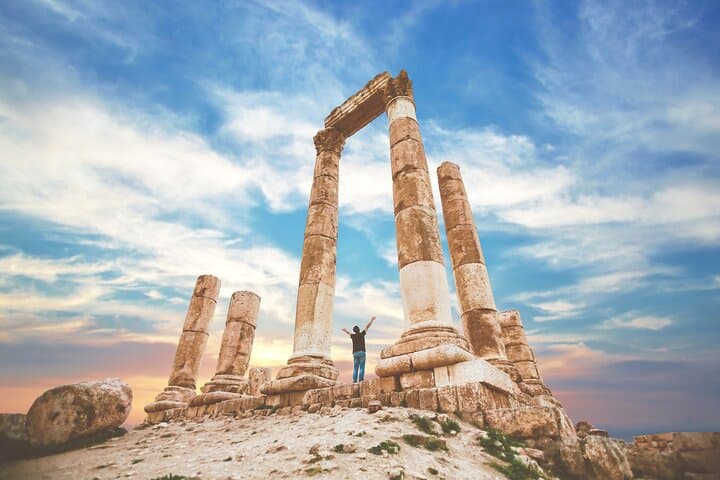
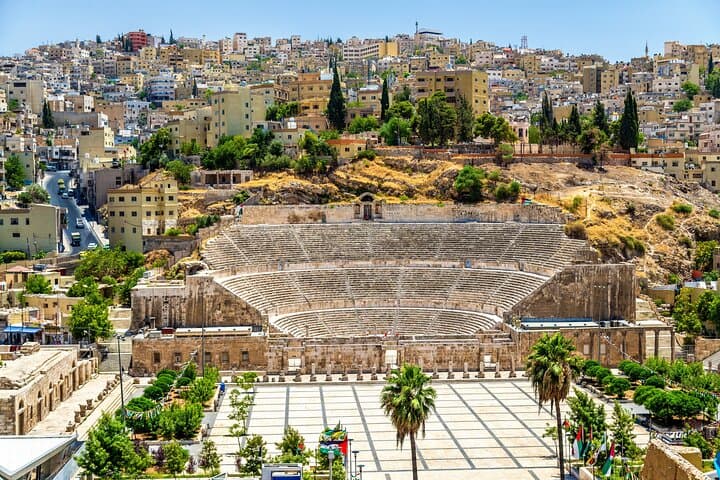
Morning light inks the white city of Amman as the tour vehicle pulls away — a low hum that will carry travelers from Roman columns to crimson desert in the space of a week.
Morning light inks the white city of Amman as the tour vehicle pulls away — a low hum that will carry travelers from Roman columns to crimson desert in the space of a week.
The route threads through layers of history: the colonnaded streets of Jerash that declare Rome’s reach, Madaba’s Byzantine mosaic map, the view from Mount Nebo where the landscape opens toward the Jordan Valley, and Petra’s rose-red facades carved by the Nabateans into sandstone. Geology is a protagonist here: Petra’s soft sandstone holds centuries of weather and carving, while the Dead Sea sits 430 meters below sea level as a hypersaline basin shaped by tectonics and evaporation. Wadi Rum’s sculpted domes and wind-carved canyons make the desert feel alive — dunes that shift color and slopes that dare you to climb for the view.
Culturally, the trip moves through Bedouin country and modern Amman, where hospitality and coffee set the tone. Practicalities matter: expect 5–10 km of walking on Petra days (uneven stone, steep sections to the Monastery), a 2-hour 4x4 jeep in Wadi Rum over sand and rock, and a half-day at the Dead Sea where flotation is effortless but skin stings if you shave beforehand.
Pack sun protection, sturdy shoes, and a refillable water bottle. Start outdoor days early to avoid peak heat, respect modest dress at religious sites, and budget time for photography stops on the Kings’ Highway and in the desert. With a local English-speaking driver-guide, the pace balances immersive sites and straightforward logistics — a compact, tangible immersion in Jordan’s archaeology, landscape, and living culture.