THE ADVENTURE COLLECTIVE® · Independent discovery and booking for outdoor travel

A compact 4-day route from the Eilat border through Wadi Rum, Petra, the Kings Highway and Jerash—ideal for travelers who want desert jeep rides, Nabatean ruins, and Roman colonnades without missing the key highlights.
A compact 4-day route from the Eilat border through Wadi Rum, Petra, the Kings Highway and Jerash—ideal for travelers who want desert jeep rides, Nabatean ruins, and Roman colonnades without missing the key highlights.
You arrive at the Eilat border before dawn and step into a landscape that shifts from dry coastal scrub to the broad, ochre sweep of the southern Jordanian desert.
Verified experiences and guided adventures in the surrounding area.
Operated by Jordan Horizons Tours - private & custom Jordan Tours & Trips · Wadi Musa, Ma'an Governorate
You arrive at the Eilat border before dawn and step into a landscape that shifts from dry coastal scrub to the broad, ochre sweep of the southern Jordanian desert.
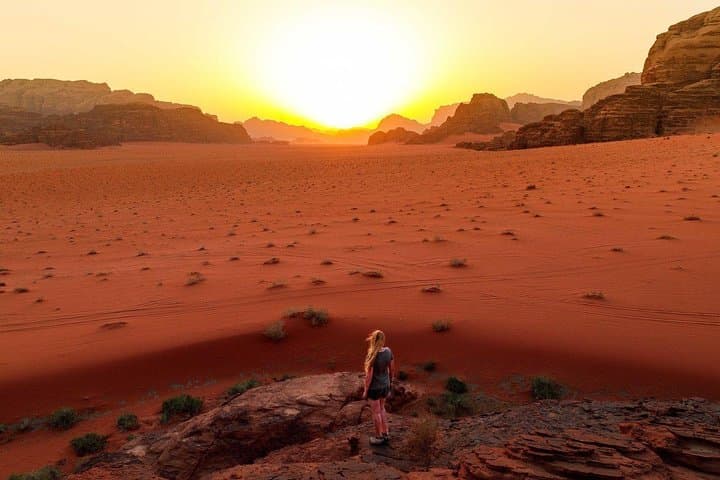
On day one the desert takes the lead: Wadi Rum’s sandstone and granite towers push up from the sand, their sheer faces catching late light as Bedouin-guided 4x4s thread between dunes and narrow gorges. The driver points out Lawrence Spring and the arches—rock that feels alive, daring you to climb a ridge for the view.
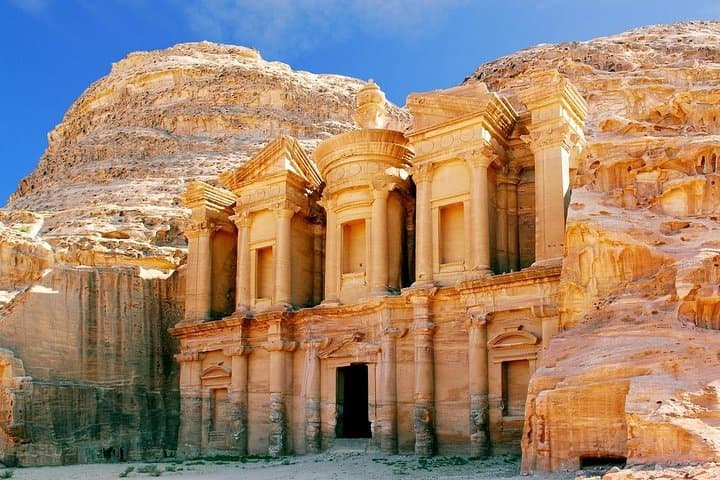
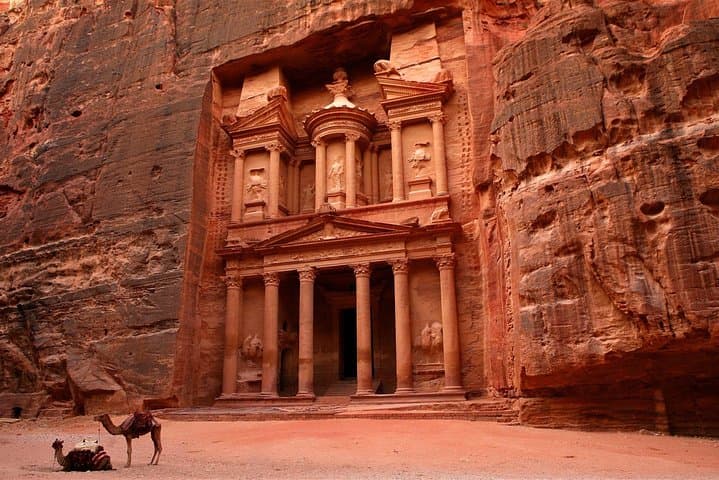
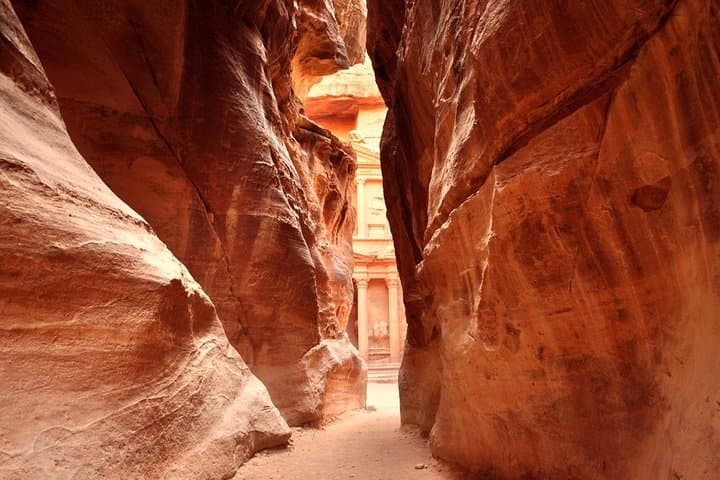
Petra’s carved facades tell a different story. The Nabatean builders carved water channels and tombs into multicolored sandstone, then hid the city behind the narrow Siq for centuries. Further north the Kings Highway threads past Crusader and Ottoman strongholds; Madaba’s mosaic map and Mt. Nebo’s panoramic ledges place you inside a long human arc from antiquity to today. Jerash closes the loop with marble colonnades and a Roman forum that still fills with wind.
Practical guidance: plan comfortable walking—Petra’s main circuit is 2–4 miles on uneven stone; Wadi Rum’s jeep loops include short dune climbs and optional camel rides. Bring at least 2 liters of water per day, sun protection, and a layered windbreaker for desert evenings. Expect basic but clean accommodations: a Bedouin camp night in Wadi Rum, a hotel night in Petra, and a final night in Amman. Border-crossing logistics can add time—carry passport pages, confirmed visas where required, and local currency for small tips. Pace the days: this itinerary compresses monumental sites into four active days, so steady walking, hydration, and sensible footwear will make the difference between seeing and experiencing Jordan.
moderate.
4 days.
Moderate—able to walk several hours across uneven terrain and manage short dune climbs; suitable for travelers who exercise regularly.
Many nationalities receive a visa on arrival when staying more than 24–48 hours; check current embassy guidance and carry passport details and copies.
No technical skills are required—4x4s handle most terrain; expect short walks and optional camel rides or dune climbs.
Cash (Jordanian dinar) is preferred for tips, market purchases, and small services; ATMs are available in major towns like Petra and Amman.
Accommodations range from comfortable hotels in Petra and Amman to a traditional Bedouin camp in Wadi Rum with shared facilities—expect simpler amenities in the desert.
Petra was the Nabatean capital and key caravan hub controlling incense and spice routes; the Kings Highway has linked Levantine communities for millennia.
Petra and Wadi Rum are managed to protect fragile sandstone and cultural sites—stick to marked paths, avoid climbing fragile tombs, and support local Bedouin services to help sustain community economies.
Jordan Horizons Tours - private & custom Jordan Tours & Trips operates guided outdoor trips and adventures with an emphasis on safety, stewardship, and memorable experiences.
You arrive at the Eilat border before dawn and step into a landscape that shifts from dry coastal scrub to the broad, ochre sweep of the southern Jordanian desert.
You arrive at the Eilat border before dawn and step into a landscape that shifts from dry coastal scrub to the broad, ochre sweep of the southern Jordanian desert.
On day one the desert takes the lead: Wadi Rum’s sandstone and granite towers push up from the sand, their sheer faces catching late light as Bedouin-guided 4x4s thread between dunes and narrow gorges. The driver points out Lawrence Spring and the arches—rock that feels alive, daring you to climb a ridge for the view.
Petra’s carved facades tell a different story. The Nabatean builders carved water channels and tombs into multicolored sandstone, then hid the city behind the narrow Siq for centuries. Further north the Kings Highway threads past Crusader and Ottoman strongholds; Madaba’s mosaic map and Mt. Nebo’s panoramic ledges place you inside a long human arc from antiquity to today. Jerash closes the loop with marble colonnades and a Roman forum that still fills with wind.
Practical guidance: plan comfortable walking—Petra’s main circuit is 2–4 miles on uneven stone; Wadi Rum’s jeep loops include short dune climbs and optional camel rides. Bring at least 2 liters of water per day, sun protection, and a layered windbreaker for desert evenings. Expect basic but clean accommodations: a Bedouin camp night in Wadi Rum, a hotel night in Petra, and a final night in Amman. Border-crossing logistics can add time—carry passport pages, confirmed visas where required, and local currency for small tips. Pace the days: this itinerary compresses monumental sites into four active days, so steady walking, hydration, and sensible footwear will make the difference between seeing and experiencing Jordan.