THE ADVENTURE COLLECTIVE® · Independent discovery and booking for outdoor travel

Fifteen days across Guatemala’s highlands, jungles and Caribbean coast—ancient ruins, cloud forests and turquoise pools—paired with local guides, private transfers and a handful of active adventures like tubing and cave exploration. Read on for what to pack, when to go and what to expect.
Fifteen days across Guatemala’s highlands, jungles and Caribbean coast—ancient ruins, cloud forests and turquoise pools—paired with local guides, private transfers and a handful of active adventures like tubing and cave exploration. Read on for what to pack, when to go and what to expect.
You step off the shuttle into humid air heavy with coffee and history, and Guatemala announces itself in layers: volcanic peaks crowd the skyline, a market’s colors crowd the street, and somewhere beyond the canopy the call of a quetzal rings like a secret.
Verified experiences and guided adventures in the surrounding area.
Operated by Guat2do Travel Experiences · Guatemala City, Guatemala Department
You step off the shuttle into humid air heavy with coffee and history, and Guatemala announces itself in layers: volcanic peaks crowd the skyline, a market’s colors crowd the street, and somewhere beyond the canopy the call of a quetzal rings like a secret.
This 15-day circuit threads Guatemala’s essentials—colonial Antigua and Guatemala City, the volcanic bowl of Lake Atitlán, the market drama of Chichicastenango, the cloud forests of Quetzaltenango, the emerald pools of Semuc Champey, the river rush of tubing on Río Chixoy, the Garífuna coast at Livingston and Río Dulce, the lowland ruins of Quiriguá and the priestly majesty of Tikal—into a single itinerary that balances culture, wildlife and active exploration.
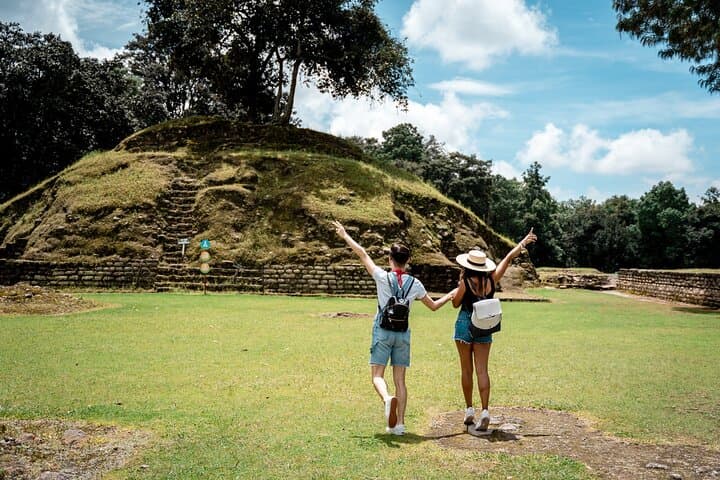
Geology and history are inseparable here. The volcanic highlands that rim Lake Atitlán were born of repeated eruptions; the lake’s basin and the three volcanoes that punctuate it are visible from plazas in Santa Catarina Palopó. Semuc Champey is a limestone trick of water—where the Cahabón sinks, a natural bridge forms and turquoise pools stack like terraces. Tikal rises from the Petén as stone towers that once directed astronomical and political life for a city that held 60,000 people.
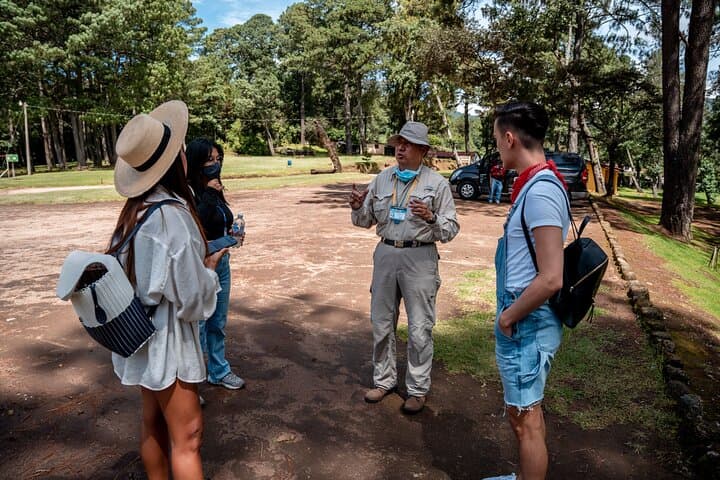
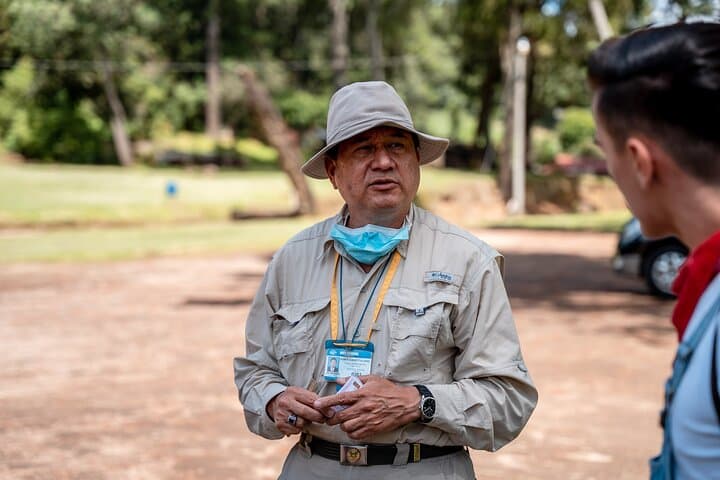
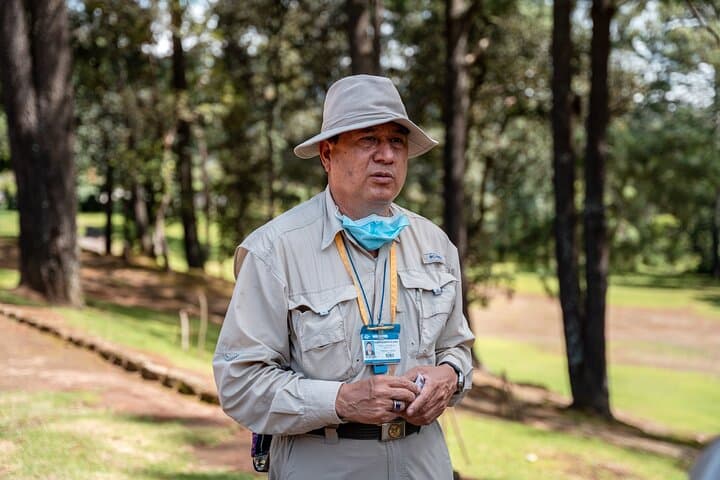
Culture is immediate and present: Mayan ritual at Iximché, textiles woven on backstrap looms in San Juan La Laguna, the market choreography of Chichicastenango and the Afro-indigenous Garífuna rhythms of Livingston. Guides on this route translate not just words but ways of life—what a pattern means, why a river is sacred, which plants are still used in traditional medicine.
Practical edge: expect altitude swings—Fuentes Georginas sits above 2,500 m, while the Petén lowlands descend to near sea level—so plan layers. Footwear should handle muddy trails and slick limestone pools; days alternate between gentle cultural walking and active segments (tubing, short hikes, cave walking by candlelight). The trip includes private transport, internal flight from Flores to Guatemala City, most breakfasts and entrance fees, and small-group moments like boat transfers on Lake Atitlán and Río Dulce.
Timing matters: mornings are prime for birding and Tikal’s temples at sunrise; Semuc Champey is best visited before midday when light clarifies the pools. Bring insect repellent, a reusable water bottle with filter, and a lightweight rain shell for the wet season. Travel dollars and change for market purchases keep smaller vendors smiling. Above all, leave with curiosity: the route is planned, but the heart of this trip is slow discovery—long pauses in a market square, a sudden view from a temple, the cool shock of a mountain spring.
moderate.
15 days.
Suitable for travelers who are comfortable with daily walking, short hikes on uneven terrain, and a few active half-days (tubing, cave visits). Expect some early mornings and altitude changes.
Moderate fitness is sufficient—most days include walking and short hikes; only a few activities (tubing, cave passages) require basic agility.
Yes—the itinerary includes a flight from Flores (Peten) to Guatemala City.
Common precautions: stay hydrated, avoid tap water (use bottled or filtered), bring insect repellent and follow guides’ instructions in remote areas.
This is a private tour—ask the operator about tailoring nights or swapping optional activities (e.g., Pacaya or Acatenango hikes).
Guatemalan quetzal is standard; US dollars are accepted in tourist areas—carry small bills for markets and tips.
Many stretches are family-friendly, but some cave and tubing sections may not suit young children—check age and comfort limits with the operator.
Guatemala’s landscape and culture were shaped by Maya civilizations that built cities like Tikal and Quiriguá; Spanish colonial influence is visible in Antigua’s architecture.
Many parks on this route are protected; support local guides and avoid single-use plastics—leave no trace at archaeological sites and pools.
Guat2do Travel Experiences operates guided outdoor trips and adventures with an emphasis on safety, stewardship, and memorable experiences.
You step off the shuttle into humid air heavy with coffee and history, and Guatemala announces itself in layers: volcanic peaks crowd the skyline, a market’s colors crowd the street, and somewhere beyond the canopy the call of a quetzal rings like a secret.
You step off the shuttle into humid air heavy with coffee and history, and Guatemala announces itself in layers: volcanic peaks crowd the skyline, a market’s colors crowd the street, and somewhere beyond the canopy the call of a quetzal rings like a secret.
This 15-day circuit threads Guatemala’s essentials—colonial Antigua and Guatemala City, the volcanic bowl of Lake Atitlán, the market drama of Chichicastenango, the cloud forests of Quetzaltenango, the emerald pools of Semuc Champey, the river rush of tubing on Río Chixoy, the Garífuna coast at Livingston and Río Dulce, the lowland ruins of Quiriguá and the priestly majesty of Tikal—into a single itinerary that balances culture, wildlife and active exploration.
Geology and history are inseparable here. The volcanic highlands that rim Lake Atitlán were born of repeated eruptions; the lake’s basin and the three volcanoes that punctuate it are visible from plazas in Santa Catarina Palopó. Semuc Champey is a limestone trick of water—where the Cahabón sinks, a natural bridge forms and turquoise pools stack like terraces. Tikal rises from the Petén as stone towers that once directed astronomical and political life for a city that held 60,000 people.
Culture is immediate and present: Mayan ritual at Iximché, textiles woven on backstrap looms in San Juan La Laguna, the market choreography of Chichicastenango and the Afro-indigenous Garífuna rhythms of Livingston. Guides on this route translate not just words but ways of life—what a pattern means, why a river is sacred, which plants are still used in traditional medicine.
Practical edge: expect altitude swings—Fuentes Georginas sits above 2,500 m, while the Petén lowlands descend to near sea level—so plan layers. Footwear should handle muddy trails and slick limestone pools; days alternate between gentle cultural walking and active segments (tubing, short hikes, cave walking by candlelight). The trip includes private transport, internal flight from Flores to Guatemala City, most breakfasts and entrance fees, and small-group moments like boat transfers on Lake Atitlán and Río Dulce.
Timing matters: mornings are prime for birding and Tikal’s temples at sunrise; Semuc Champey is best visited before midday when light clarifies the pools. Bring insect repellent, a reusable water bottle with filter, and a lightweight rain shell for the wet season. Travel dollars and change for market purchases keep smaller vendors smiling. Above all, leave with curiosity: the route is planned, but the heart of this trip is slow discovery—long pauses in a market square, a sudden view from a temple, the cool shock of a mountain spring.