THE ADVENTURE COLLECTIVE® · Independent discovery and booking for outdoor travel

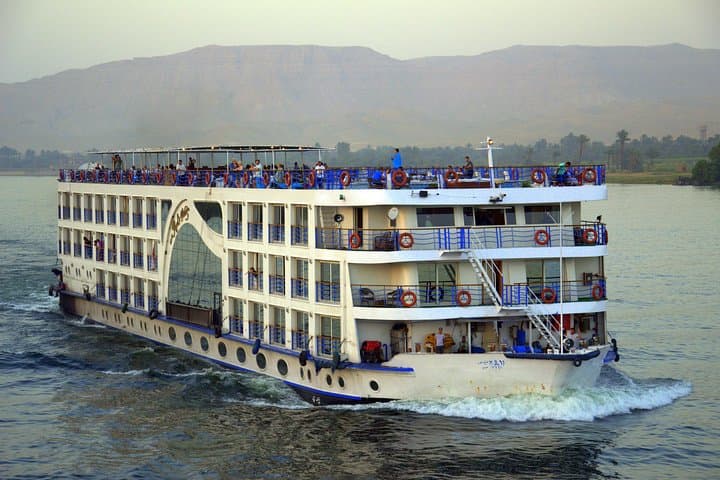
A compact, guided 10-day journey from Cairo’s pyramids to a three-night Nile cruise through Luxor and Aswan. Expect early starts, guided temple visits, and uncomplicated Nile-boat life with included domestic flights.
A compact, guided 10-day journey from Cairo’s pyramids to a three-night Nile cruise through Luxor and Aswan. Expect early starts, guided temple visits, and uncomplicated Nile-boat life with included domestic flights.
You step onto the Giza Plateau before sunrise and the stone faces of the pyramids throw long, cool shadows across sand warmed by centuries of travelers. The air smells faintly of spice and diesel; a donkey clacks in the distance and the Sphinx watches the day begin. That opening hour is when the scale of these monuments reads clearest: carved limestone rising from the desert, aligned to stars and river cycles that shaped Egyptian life.
Verified experiences and guided adventures in the surrounding area.
Operated by Luxor Travels · Giza, Cairo Governorate
You step onto the Giza Plateau before sunrise and the stone faces of the pyramids throw long, cool shadows across sand warmed by centuries of travelers. The air smells faintly of spice and diesel; a donkey clacks in the distance and the Sphinx watches the day begin. That opening hour is when the scale of these monuments reads clearest: carved limestone rising from the desert, aligned to stars and river cycles that shaped Egyptian life.
This 9-night itinerary threads modern Cairo with Nile temples and Upper Egypt’s necropolises. Geologically the Nile’s floodplain deposited the alluvium that made the valley fertile; culturally, the river has been the spine of Egyptian civilization for five millennia. You’ll see the Pyramids and the Egyptian Museum’s pharaonic collections, glide by riverbank villages on a three-night cruise, and walk the carved halls of Kom Ombo, Edfu, Karnak and Luxor’s Valley of the Kings.
Expect guided walks rather than strenuous hikes: uneven temple steps, dusty paths and enclosed tomb chambers. Practical notes: carry photocopies of passports and visas, bring a hat and sun protection, and keep small notes for customary tips. Morning visits are cooler and quieter; afternoon light is better for photography at Karnak and the Luxor temples.
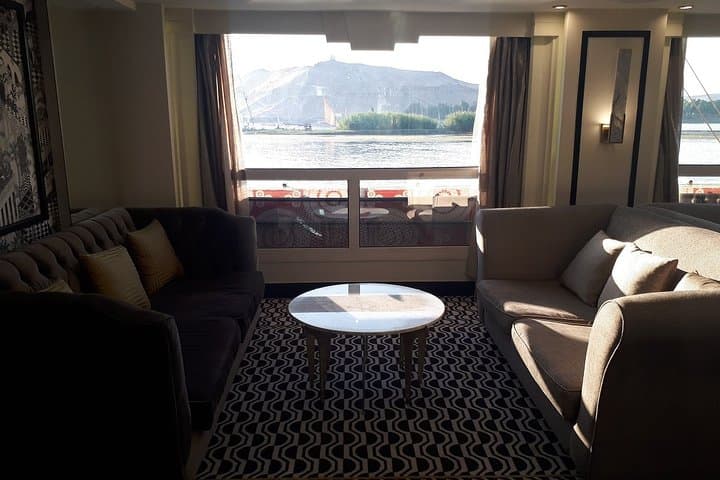
Plan for urban driving times between sites and simple Nile-boat life—meals on board, early starts, and short domestic flights built into the route. Dress respectfully at religious sites, keep to marked areas in archaeological zones, and drink bottled water. With steady pacing and basic preparation, this itinerary gives a compact, authoritative view of Egypt’s riverine heart and its built legacy.
easy.
10 days.
Light to moderate walking stamina; able to manage stairs and dusty, uneven surfaces for short periods.
Yes—round-trip domestic flights between Cairo, Aswan and Luxor are included in the itinerary.
The tour is low-impact: mostly guided walks, short climbs of temple steps and brief transfers—suitable for most fitness levels.
Tipping (baksheesh) is customary; guides can advise appropriate amounts during the trip and small local notes are useful.
Many nationalities require a visa for Egypt—confirm requirements before travel and ensure passport validity; the tour operator will request passport copies at booking.
Egypt’s major monuments reflect a civilization shaped by the Nile’s annual cycles; many temples were moved or altered after the construction of the Aswan High Dam in the 1960s.
Visitors are urged to avoid touching reliefs, stay on designated paths and limit single-use plastic; local projects support site preservation and community tourism.
Luxor Travels operates guided outdoor trips and adventures with an emphasis on safety, stewardship, and memorable experiences.


You step onto the Giza Plateau before sunrise and the stone faces of the pyramids throw long, cool shadows across sand warmed by centuries of travelers. The air smells faintly of spice and diesel; a donkey clacks in the distance and the Sphinx watches the day begin. That opening hour is when the scale of these monuments reads clearest: carved limestone rising from the desert, aligned to stars and river cycles that shaped Egyptian life.
You step onto the Giza Plateau before sunrise and the stone faces of the pyramids throw long, cool shadows across sand warmed by centuries of travelers. The air smells faintly of spice and diesel; a donkey clacks in the distance and the Sphinx watches the day begin. That opening hour is when the scale of these monuments reads clearest: carved limestone rising from the desert, aligned to stars and river cycles that shaped Egyptian life.
This 9-night itinerary threads modern Cairo with Nile temples and Upper Egypt’s necropolises. Geologically the Nile’s floodplain deposited the alluvium that made the valley fertile; culturally, the river has been the spine of Egyptian civilization for five millennia. You’ll see the Pyramids and the Egyptian Museum’s pharaonic collections, glide by riverbank villages on a three-night cruise, and walk the carved halls of Kom Ombo, Edfu, Karnak and Luxor’s Valley of the Kings.
Expect guided walks rather than strenuous hikes: uneven temple steps, dusty paths and enclosed tomb chambers. Practical notes: carry photocopies of passports and visas, bring a hat and sun protection, and keep small notes for customary tips. Morning visits are cooler and quieter; afternoon light is better for photography at Karnak and the Luxor temples.
Plan for urban driving times between sites and simple Nile-boat life—meals on board, early starts, and short domestic flights built into the route. Dress respectfully at religious sites, keep to marked areas in archaeological zones, and drink bottled water. With steady pacing and basic preparation, this itinerary gives a compact, authoritative view of Egypt’s riverine heart and its built legacy.