THE ADVENTURE COLLECTIVE® · Independent discovery and booking for outdoor travel

Covering Cairo’s ancient heart, a Nile cruise between Luxor and Aswan, and the relocated temples at Abu Simbel, this eight-day tour layers monumental sights with accessible logistics. Expect guided temple walks, museum highlights, and comfortable cruise nights on the Nile.
Covering Cairo’s ancient heart, a Nile cruise between Luxor and Aswan, and the relocated temples at Abu Simbel, this eight-day tour layers monumental sights with accessible logistics. Expect guided temple walks, museum highlights, and comfortable cruise nights on the Nile.
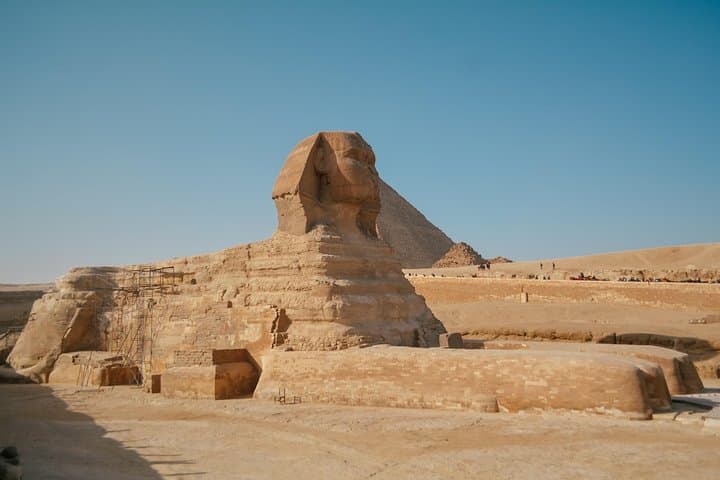
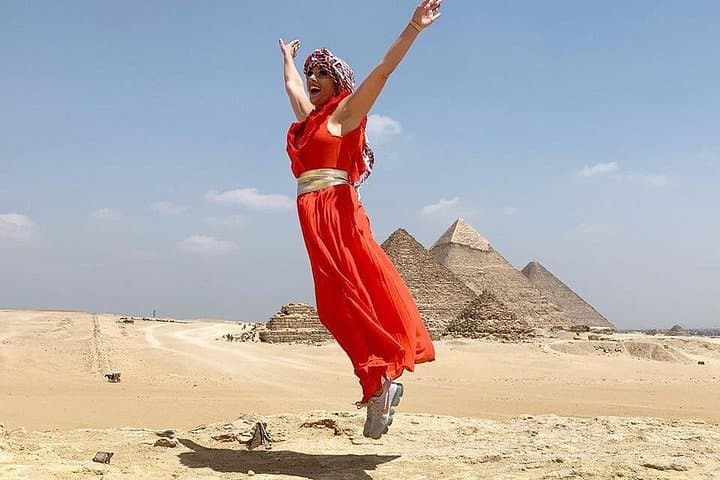
Sand and stone meet the Nile’s steady hand on this eight-day circuit through Egypt’s most iconic places. The day opens beneath the Giza Plateau—heat rising off limestone, camels shifting as the pyramids throw long, ordered shadows—and moves southward along the living artery of the Nile, where feluccas tuck into reed-lined banks and colossal reliefs stare down from temple walls.
Verified experiences and guided adventures in the surrounding area.
Operated by Look at Egypt Tours · Cairo, Cairo Governorate
Sand and stone meet the Nile’s steady hand on this eight-day circuit through Egypt’s most iconic places. The day opens beneath the Giza Plateau—heat rising off limestone, camels shifting as the pyramids throw long, ordered shadows—and moves southward along the living artery of the Nile, where feluccas tuck into reed-lined banks and colossal reliefs stare down from temple walls.
Travelers encounter layers of history: Old Kingdom tomb-builders at Saqqara, New Kingdom pharaohs in the Valley of the Kings, and Ptolemaic temple art at Edfu and Kom Ombo. Geology shapes the story—limestone plateaus gave stone for royal monuments while the Nile’s annual rhythms sustained the agricultural heartland that made civilization possible.
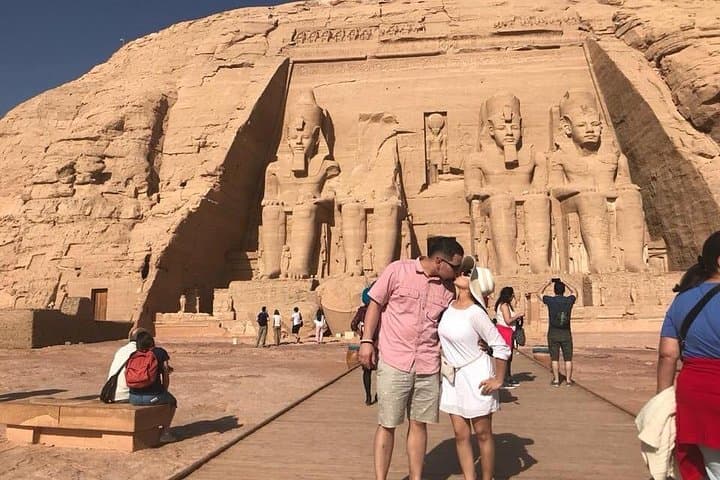
Cultural threads run tight: Coptic churches and Islamic bazaars in Cairo, Nubian communities around Aswan, and modern museum displays that reframe artifacts for new audiences. Abu Simbel’s relocation in the 1960s illustrates conservation on a national scale—monuments moved to save them from the rising waters of the Aswan High Dam.
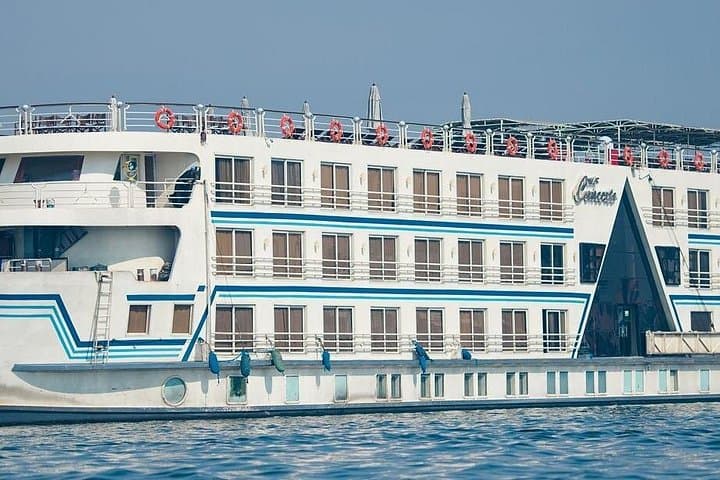
Practical guidance: expect easy daily rhythms—short drives, guided temple visits, and several days aboard a mid-sized Nile cruise. Walks include uneven stone floors and steps; plan for strong sun, dust, and crowded sites during peak hours. Carry a sunhat, refillable water, comfortable walking shoes with good soles, and copies of travel documents. Early-morning and late-afternoon visits reward cooler light and fewer people, while interior-museum time offers a welcome break from the heat.
This itinerary balances spectacle and context: monumental architecture, river scenery, and concise logistics that let you see Egypt’s essentials in a single week.
easy.
8 days.
Suitable for travelers in average fitness; expect moderate walking on uneven surfaces and several steps at archaeological sites.
Yes — domestic flights from Cairo to Aswan and from Luxor to Cairo are included in the itinerary.
The tour is rated easy: most days involve short drives, guided walks, and on-board relaxation; some sites require climbing uneven steps.
The operator lists wheelchair-accessible transportation, but access at some archaeological sites is limited; contact the operator for site-specific arrangements.
Many nationalities obtain a visa on arrival in Egypt; the tour includes airport meet-and-assist to help with visa procedures.
Egypt’s monuments span millennia—from the Step Pyramid at Saqqara (3rd Dynasty) to Ptolemaic temple additions; modern interventions like the Abu Simbel relocation reflect 20th-century conservation efforts.
Large infrastructure projects and tourism both affect archaeological sites; staying on paths, not climbing monuments, and following guide instructions helps protect fragile stone and archaeological deposits.
Look at Egypt Tours operates guided outdoor trips and adventures with an emphasis on safety, stewardship, and memorable experiences.
Sand and stone meet the Nile’s steady hand on this eight-day circuit through Egypt’s most iconic places. The day opens beneath the Giza Plateau—heat rising off limestone, camels shifting as the pyramids throw long, ordered shadows—and moves southward along the living artery of the Nile, where feluccas tuck into reed-lined banks and colossal reliefs stare down from temple walls.
Sand and stone meet the Nile’s steady hand on this eight-day circuit through Egypt’s most iconic places. The day opens beneath the Giza Plateau—heat rising off limestone, camels shifting as the pyramids throw long, ordered shadows—and moves southward along the living artery of the Nile, where feluccas tuck into reed-lined banks and colossal reliefs stare down from temple walls.
Travelers encounter layers of history: Old Kingdom tomb-builders at Saqqara, New Kingdom pharaohs in the Valley of the Kings, and Ptolemaic temple art at Edfu and Kom Ombo. Geology shapes the story—limestone plateaus gave stone for royal monuments while the Nile’s annual rhythms sustained the agricultural heartland that made civilization possible.
Cultural threads run tight: Coptic churches and Islamic bazaars in Cairo, Nubian communities around Aswan, and modern museum displays that reframe artifacts for new audiences. Abu Simbel’s relocation in the 1960s illustrates conservation on a national scale—monuments moved to save them from the rising waters of the Aswan High Dam.
Practical guidance: expect easy daily rhythms—short drives, guided temple visits, and several days aboard a mid-sized Nile cruise. Walks include uneven stone floors and steps; plan for strong sun, dust, and crowded sites during peak hours. Carry a sunhat, refillable water, comfortable walking shoes with good soles, and copies of travel documents. Early-morning and late-afternoon visits reward cooler light and fewer people, while interior-museum time offers a welcome break from the heat.
This itinerary balances spectacle and context: monumental architecture, river scenery, and concise logistics that let you see Egypt’s essentials in a single week.