THE ADVENTURE COLLECTIVE® · Independent discovery and booking for outdoor travel

Spend a full day between two UNESCO-listed forts and Africa’s only canopy walkway. This private tour blends sobering history at Elmina and Cape Coast Castles with a rainforest hike and seven-bridge adrenaline at Kakum.
Spend a full day between two UNESCO-listed forts and Africa’s only canopy walkway. This private tour blends sobering history at Elmina and Cape Coast Castles with a rainforest hike and seven-bridge adrenaline at Kakum.
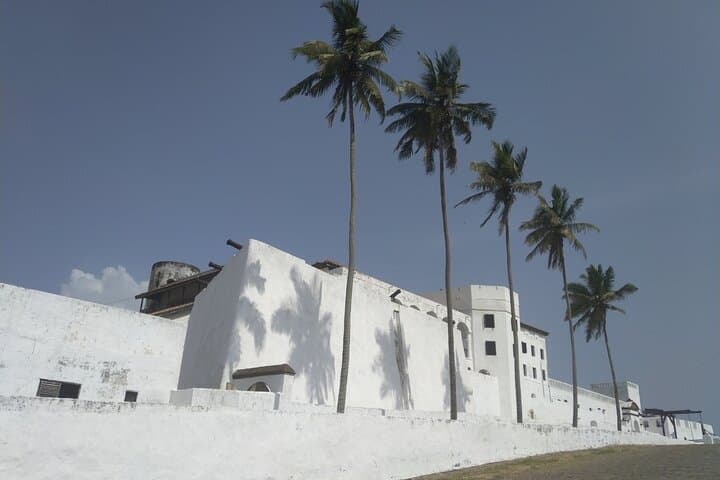
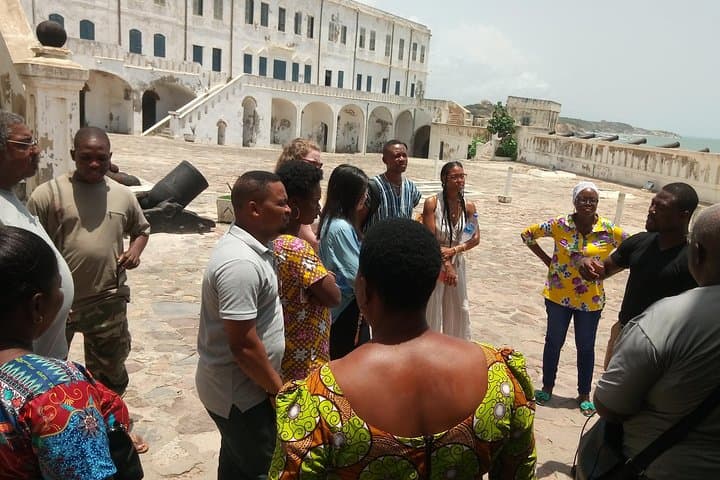
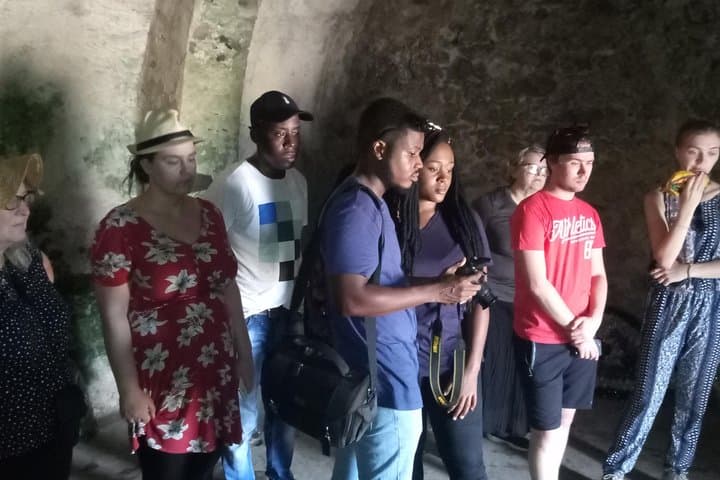
A morning mist lifts off the Gulf of Guinea as your air-conditioned vehicle threads along the coastal road toward Cape Coast and Elmina. By mid-morning you stand before cool, stone walls where the air seems to remember the voices of the past — the dungeons, the low doorways and the notorious "door of no return." Later, the rainforest of Kakum rises green and close; the canopy walkway sways above a stitched pattern of shadow and leaf, daring you across seven suspended bridges.
Verified experiences and guided adventures in the surrounding area.
Operated by Pridor Plus Tours · Cape Coast, Central Region
A morning mist lifts off the Gulf of Guinea as your air-conditioned vehicle threads along the coastal road toward Cape Coast and Elmina. By mid-morning you stand before cool, stone walls where the air seems to remember the voices of the past — the dungeons, the low doorways and the notorious "door of no return." Later, the rainforest of Kakum rises green and close; the canopy walkway sways above a stitched pattern of shadow and leaf, daring you across seven suspended bridges.
These sites trace centuries: Elmina’s Portuguese fortress (built 1482) and Cape Coast Castle (expanded under Dutch and British rule) are focal points of the transatlantic slave trade and of European coastal settlement. Geologically the coastline is low-lying sedimentary rock and lateritic soils; inland, Kakum preserves prime lowland rainforest and a dense understory shaped by high rainfall. The local culture in the Central Region mixes Fante coastal fishing communities, market life and forts that now host museums and guided interpretation.
Expect a long, guided day (about 10–13 hours) that combines interpretive history tours, moderate forest hikes and the adrenaline of the canopy walkway. Practical notes: wear sturdy walking shoes, bring water and sun protection, and be prepared for stairs and uneven castle floors. The route is best done in dry weather for the canopy walk and clearer views; insect repellent helps in the forest. This private, full-day itinerary is powerful and sobering in equal measure — historically resonant, ecologically rich and physically active.
challenging.
10–13 hours.
Good cardiovascular fitness for a long day that includes walking, stairs and short hikes; able-bodied travelers recommended.
The Kakum canopy walk comprises seven bridges totaling several hundred meters of suspended walkways across the forest canopy; expect 30–60 minutes for the walk depending on pace and stops.
Yes — the guided entry to Cape Coast Castle and Elmina Castle is included on the standard tour itinerary.
Older children who can manage stairs and brief hikes will do fine; infants and very young children may find the day tiring and the castles’ stairs hazardous.
Yes — many operators run day trips from Accra, though expect early departure and a long return drive; staying overnight in Cape Coast shortens travel time.
Elmina Castle (1482) was the first major European structure on the Gulf of Guinea; both Elmina and Cape Coast became central nodes in the transatlantic slave trade and later colonial administration.
Kakum is managed for biodiversity and ecotourism; stick to trails, avoid removing forest materials and support locally guided programs to benefit conservation and communities.
Pridor Plus Tours operates guided outdoor trips and adventures with an emphasis on safety, stewardship, and memorable experiences.
A morning mist lifts off the Gulf of Guinea as your air-conditioned vehicle threads along the coastal road toward Cape Coast and Elmina. By mid-morning you stand before cool, stone walls where the air seems to remember the voices of the past — the dungeons, the low doorways and the notorious "door of no return." Later, the rainforest of Kakum rises green and close; the canopy walkway sways above a stitched pattern of shadow and leaf, daring you across seven suspended bridges.
A morning mist lifts off the Gulf of Guinea as your air-conditioned vehicle threads along the coastal road toward Cape Coast and Elmina. By mid-morning you stand before cool, stone walls where the air seems to remember the voices of the past — the dungeons, the low doorways and the notorious "door of no return." Later, the rainforest of Kakum rises green and close; the canopy walkway sways above a stitched pattern of shadow and leaf, daring you across seven suspended bridges.
These sites trace centuries: Elmina’s Portuguese fortress (built 1482) and Cape Coast Castle (expanded under Dutch and British rule) are focal points of the transatlantic slave trade and of European coastal settlement. Geologically the coastline is low-lying sedimentary rock and lateritic soils; inland, Kakum preserves prime lowland rainforest and a dense understory shaped by high rainfall. The local culture in the Central Region mixes Fante coastal fishing communities, market life and forts that now host museums and guided interpretation.
Expect a long, guided day (about 10–13 hours) that combines interpretive history tours, moderate forest hikes and the adrenaline of the canopy walkway. Practical notes: wear sturdy walking shoes, bring water and sun protection, and be prepared for stairs and uneven castle floors. The route is best done in dry weather for the canopy walk and clearer views; insect repellent helps in the forest. This private, full-day itinerary is powerful and sobering in equal measure — historically resonant, ecologically rich and physically active.