THE ADVENTURE COLLECTIVE® · Independent discovery and booking for outdoor travel

Explore Bristol’s riverfront, markets, and hidden streets on a focused 2-hour walking tour led by a local guide. Learn Anglo-Saxon origins, maritime history, and modern street culture while covering 2–3 miles of mostly flat, paved terrain.
Explore Bristol’s riverfront, markets, and hidden streets on a focused 2-hour walking tour led by a local guide. Learn Anglo-Saxon origins, maritime history, and modern street culture while covering 2–3 miles of mostly flat, paved terrain.
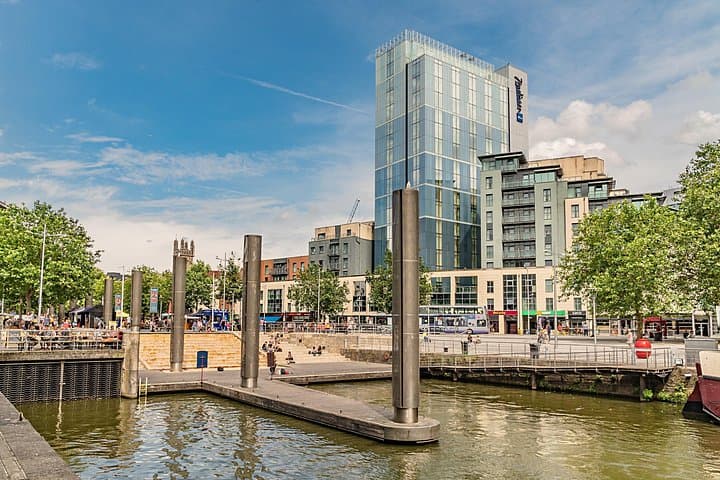
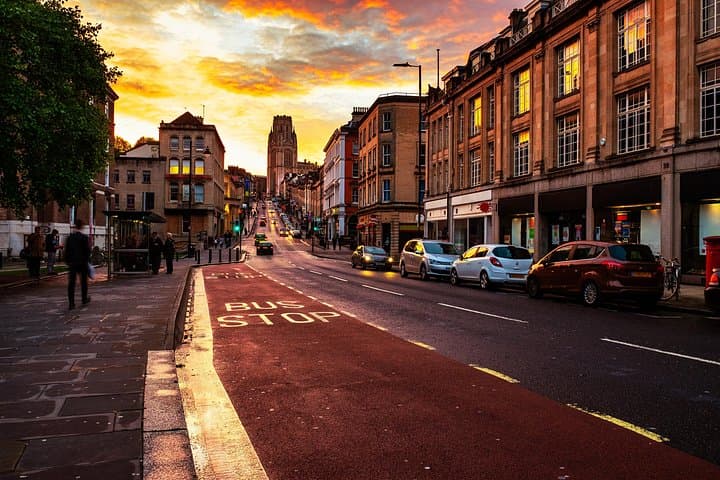
You step off a bus and the city opens: narrow streets give way to broad quays, the River Avon pressing against old wharves while a guide’s voice threads together facts and folklore. In two hours the tour moves at an easy pace—through market alleys, past Georgian facades, and into corners where the city’s past still speaks in stone.
Verified experiences and guided adventures in the surrounding area.
Operated by Opatrip England · Bristol, England
You step off a bus and the city opens: narrow streets give way to broad quays, the River Avon pressing against old wharves while a guide’s voice threads together facts and folklore. In two hours the tour moves at an easy pace—through market alleys, past Georgian facades, and into corners where the city’s past still speaks in stone.
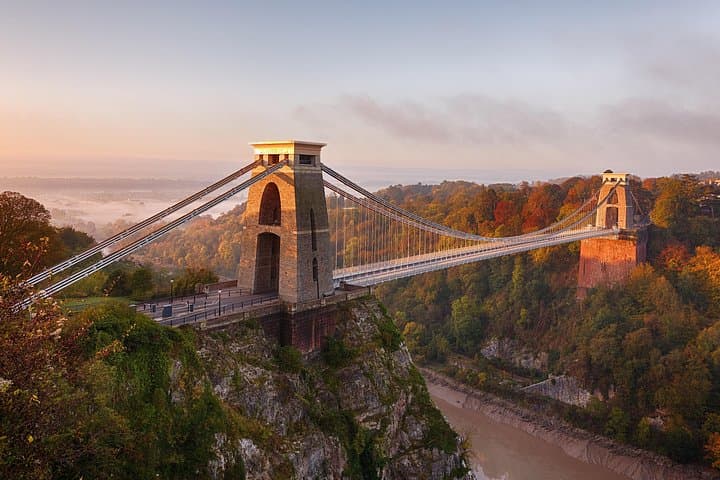
Bristol began life as Brigg stow, the ‘‘meeting place at the bridge’’ recorded in the Anglo-Saxon Chronicle of 1051. Its fortunes rose on maritime trade; remnants of that era remain in the Harbourside warehouses and in the cultural energy of St Nicholas Market. Geologically, the River Avon has cleaved the landscape—nearby the Avon Gorge exposes Carboniferous limestone that helped shape routes and views, while the city center sits on older sandstone and reclaimed quays.
Culture here feels tangible: street art that challenged conventions, independent food stalls, and a working port that still hums. Expect stories about merchants, bridges, and the odd local legend—delivered by a professional guide who knows where to pause for a photo.
Practical guidance: the walk is roughly 3–5 km (2–3 miles) on paved city streets with minimal elevation—suitable for most fitness levels. Wear comfortable shoes, dress in layers (Bristol weather changes quickly), and bring a small bottle of water. The tour accepts mobile tickets, is private, and can be reached easily by public transport. Cancelations are refundable up to 24 hours before departure. Arrive 10 minutes early to meet your guide and get the most from the route.
easy.
2 hours.
Suitable for most fitness levels; low-impact walking on paved urban terrain
Meeting instructions are provided at booking; tours typically start in the central city area accessible by public transport and finish near a central landmark or quay.
Yes—the tour is rated easy and suitable for a wide range of ages and fitness levels, but participants should be able to walk 2–3 miles over two hours.
Much of the route is on paved streets, but some historic areas have uneven surfaces; contact the operator ahead of time to confirm accessibility needs.
Full refunds are available if you cancel at least 24 hours before the scheduled departure time; no refund within 24 hours.
Originally recorded as Brigg stow in 1051, Bristol grew as a maritime hub; its city fabric reflects centuries of trade, industry, and cultural reinvention.
Support local businesses and follow Leave No Trace principles—stay on paved paths in sensitive historic areas and avoid feeding wildlife to minimize impact.
Opatrip England operates guided outdoor trips and adventures with an emphasis on safety, stewardship, and memorable experiences.
You step off a bus and the city opens: narrow streets give way to broad quays, the River Avon pressing against old wharves while a guide’s voice threads together facts and folklore. In two hours the tour moves at an easy pace—through market alleys, past Georgian facades, and into corners where the city’s past still speaks in stone.
You step off a bus and the city opens: narrow streets give way to broad quays, the River Avon pressing against old wharves while a guide’s voice threads together facts and folklore. In two hours the tour moves at an easy pace—through market alleys, past Georgian facades, and into corners where the city’s past still speaks in stone.
Bristol began life as Brigg stow, the ‘‘meeting place at the bridge’’ recorded in the Anglo-Saxon Chronicle of 1051. Its fortunes rose on maritime trade; remnants of that era remain in the Harbourside warehouses and in the cultural energy of St Nicholas Market. Geologically, the River Avon has cleaved the landscape—nearby the Avon Gorge exposes Carboniferous limestone that helped shape routes and views, while the city center sits on older sandstone and reclaimed quays.
Culture here feels tangible: street art that challenged conventions, independent food stalls, and a working port that still hums. Expect stories about merchants, bridges, and the odd local legend—delivered by a professional guide who knows where to pause for a photo.
Practical guidance: the walk is roughly 3–5 km (2–3 miles) on paved city streets with minimal elevation—suitable for most fitness levels. Wear comfortable shoes, dress in layers (Bristol weather changes quickly), and bring a small bottle of water. The tour accepts mobile tickets, is private, and can be reached easily by public transport. Cancelations are refundable up to 24 hours before departure. Arrive 10 minutes early to meet your guide and get the most from the route.