THE ADVENTURE COLLECTIVE® · Independent discovery and booking for outdoor travel

Explore Al Wakrah on a two-hour guided walking tour that traces its fishing and pearling past through souq alleys and seaside views. Ideal for first-time visitors who want local stories, architecture, and easy coastal walking.
Explore Al Wakrah on a two-hour guided walking tour that traces its fishing and pearling past through souq alleys and seaside views. Ideal for first-time visitors who want local stories, architecture, and easy coastal walking.
Morning light hits the low-lying clay buildings and the sea breathes against Al Wakrah’s corniche — you begin on foot with a guide who knows which alleys keep the oldest stories. The city still carries the cadence of a fishing town: boats tied to the shore, gulls arguing over scraps, and narrow lanes that funnel history into view.
Verified experiences and guided adventures in the surrounding area.
Operated by Opatrip.com Qatar · Al Wakrah, Al Wakrah
Morning light hits the low-lying clay buildings and the sea breathes against Al Wakrah’s corniche — you begin on foot with a guide who knows which alleys keep the oldest stories. The city still carries the cadence of a fishing town: boats tied to the shore, gulls arguing over scraps, and narrow lanes that funnel history into view.
Once a pearling and fishing village, Al Wakrah expanded after oil wealth and Doha’s growth pushed the coastline’s towns into new roles. Look for traditional wind-tower shapes, coral-stone influences and the recent, quieter interventions of heritage restoration that sit beside modern development. The geology is gentle — flat coastal plain and reclaimed shorelines — so the walking is largely easy, with sea air pushing you forward toward wide views of the Persian Gulf.
Cultural notes: vendors at Al Wakrah Souq still sell fresh catch and traditional sweets; your guide will translate local legends and point out architectural details often missed by first-time visitors. The nearby corniche offers a good sunset perspective and a chance to watch fishermen tend nets.
Practical guidance: tours run about two hours, usually on paved streets and compacted sand. Wear sturdy walking shoes, light layers, and sun protection; bring water — Qatar’s heat can spike suddenly. Start earlier in the day during summer, and plan for modest dress in public areas. Public transport options are nearby and mobile tickets are accepted for convenience. Expect a relaxed, informative stroll that balances local color with accessible logistics.
easy.
2 hours.
Suitable for most fitness levels; mostly flat walking on paved or compacted surfaces.
The tour is approximately 2 hours and covers Al Wakrah’s main souq and corniche areas.
Yes — the route is mostly flat and rated easy, suitable for families and those with moderate mobility.
Local guides typically speak English; check booking details for other language options or private tour arrangements.
Yes — public restrooms and cafés are available near the souq and corniche; guides can point out recommended stops.
Al Wakrah grew from a small pearling and fishing village; its expansion accelerated with 20th-century oil wealth and the growth of nearby Doha.
Coastal development has changed habitats; keep to marked areas, avoid littering, and support local businesses that follow sustainable fishing and waste practices.
Opatrip.com Qatar operates guided outdoor trips and adventures with an emphasis on safety, stewardship, and memorable experiences.
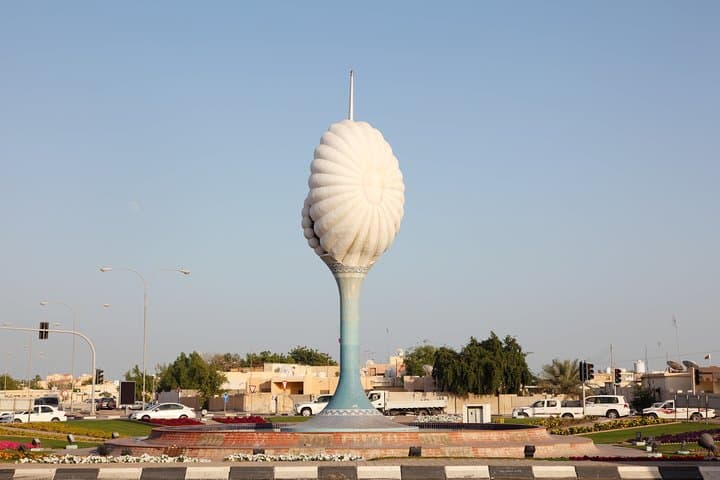
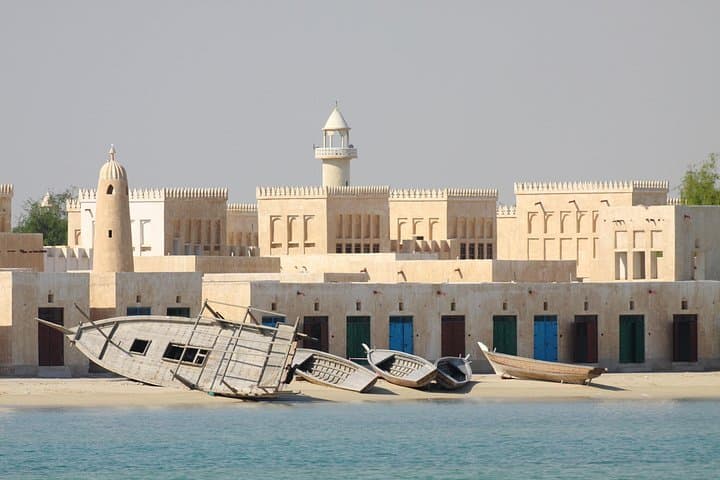
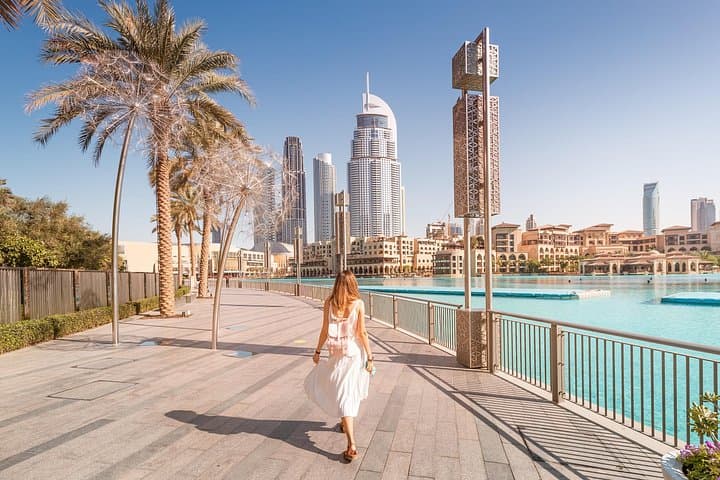
Morning light hits the low-lying clay buildings and the sea breathes against Al Wakrah’s corniche — you begin on foot with a guide who knows which alleys keep the oldest stories. The city still carries the cadence of a fishing town: boats tied to the shore, gulls arguing over scraps, and narrow lanes that funnel history into view.
Morning light hits the low-lying clay buildings and the sea breathes against Al Wakrah’s corniche — you begin on foot with a guide who knows which alleys keep the oldest stories. The city still carries the cadence of a fishing town: boats tied to the shore, gulls arguing over scraps, and narrow lanes that funnel history into view.
Once a pearling and fishing village, Al Wakrah expanded after oil wealth and Doha’s growth pushed the coastline’s towns into new roles. Look for traditional wind-tower shapes, coral-stone influences and the recent, quieter interventions of heritage restoration that sit beside modern development. The geology is gentle — flat coastal plain and reclaimed shorelines — so the walking is largely easy, with sea air pushing you forward toward wide views of the Persian Gulf.
Cultural notes: vendors at Al Wakrah Souq still sell fresh catch and traditional sweets; your guide will translate local legends and point out architectural details often missed by first-time visitors. The nearby corniche offers a good sunset perspective and a chance to watch fishermen tend nets.
Practical guidance: tours run about two hours, usually on paved streets and compacted sand. Wear sturdy walking shoes, light layers, and sun protection; bring water — Qatar’s heat can spike suddenly. Start earlier in the day during summer, and plan for modest dress in public areas. Public transport options are nearby and mobile tickets are accepted for convenience. Expect a relaxed, informative stroll that balances local color with accessible logistics.