THE ADVENTURE COLLECTIVE® · Independent discovery and booking for outdoor travel

Spend a day moving from Tegalalang’s living rice terraces to the expansive Besakih Mother Temple and a forested waterfall pool. This private full-day tour blends Balinese culture, volcanic landscape and a refreshing swim—best started early and dressed for temple protocol.
Spend a day moving from Tegalalang’s living rice terraces to the expansive Besakih Mother Temple and a forested waterfall pool. This private full-day tour blends Balinese culture, volcanic landscape and a refreshing swim—best started early and dressed for temple protocol.
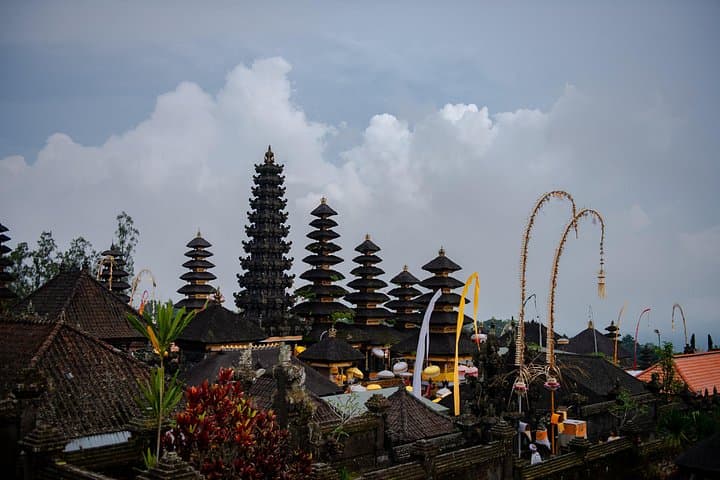
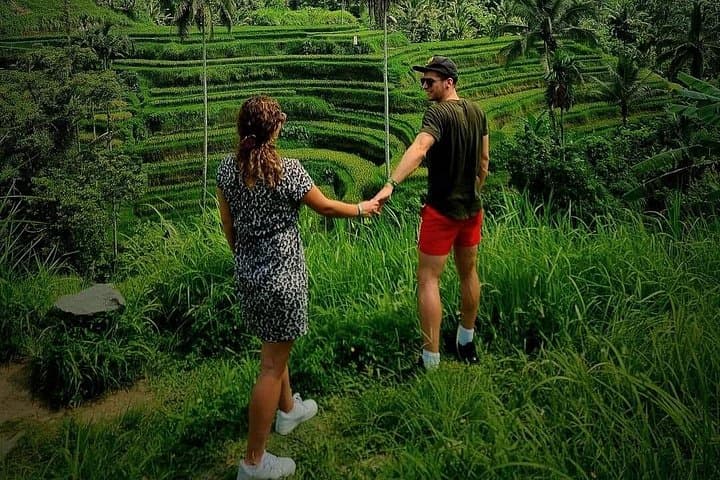
You arrive on a road that climbs through green rice steps—the terraces breathing with irrigation channels that move water like a slow, deliberate current. Morning light hits the carved gateways of Besakih, and Mount Agung looms behind the compound, a volcanic presence that has shaped Bali’s soils, rituals and views for millennia.
Verified experiences and guided adventures in the surrounding area.
Operated by CV MyBali Explore · Ubud, Bali
You arrive on a road that climbs through green rice steps—the terraces breathing with irrigation channels that move water like a slow, deliberate current. Morning light hits the carved gateways of Besakih, and Mount Agung looms behind the compound, a volcanic presence that has shaped Bali’s soils, rituals and views for millennia.
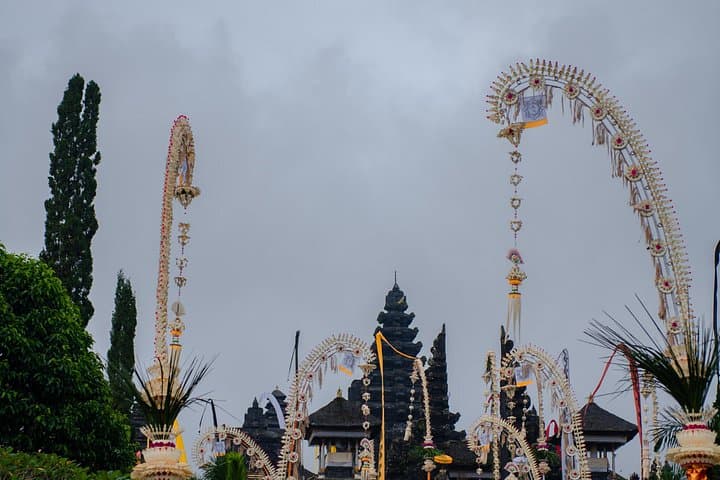
The route moves from the engineered slopes of Tegalalang—where the traditional subak irrigation system still directs every field—to Besakih, Bali’s largest Hindu complex. Besakih’s layered courtyards and shrines reflect Balinese temple architecture and the island’s syncretic Hindu practice; local guides can explain the clan temples for Brahma, Vishnu and Shiva and the ceremonies that still animate the compound.
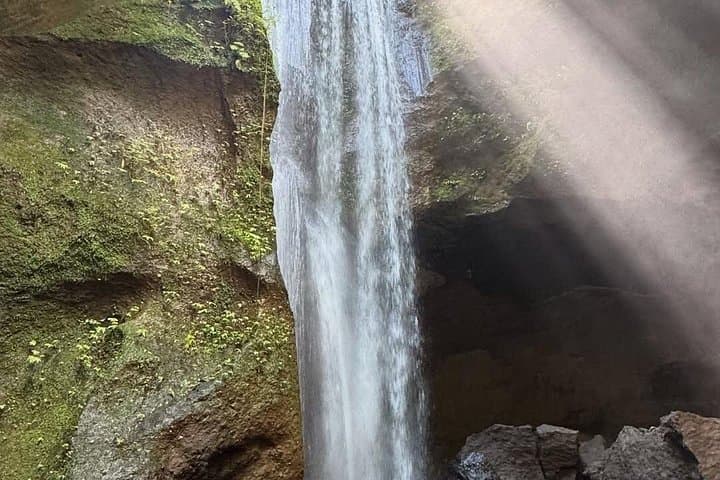
Geology is visible here: volcanic ash and lava made steep, fertile hills, and water carved paths that allow rice terraces and jungle gullies to coexist. A short drive brings you to Goa Raja waterfall, shaded by secondary forest, where a cool pool invites a swim if conditions allow.
Practical guidance: this is an all-day, private tour—expect 8–10 hours with multiple short walks, many temple steps and uneven paths. Dress respectfully for temple visits (sarong or modest clothing), bring sun protection, and carry a refillable water bottle. Timing matters—start early to avoid mid-day crowds at Besakih and the heat in the terraces. Footwear should handle mud and steps; a light rain jacket helps in Bali’s unpredictable weather.
Taken together, the day pairs cultural depth with active outdoor time—rice, rock, water and ritual in a single route that rewards curiosity and sensible planning.
moderate.
8–10 hours.
Comfortable walking fitness; able to climb multiple flights of steps and manage short uneven trails.
The tour runs about 8–10 hours; most operators start in the morning (around 7–8 AM) to maximize cooler light and avoid midday crowds at Besakih.
This itinerary typically includes admission to the listed sites and a local guide; check your booking to confirm what’s covered.
Yes, the waterfall usually has a pool suitable for swimming, but conditions vary—follow your guide’s safety advice and avoid swimming after heavy rain due to strong currents and runoff.
The tour is family-friendly but involves steps, uneven paths and some walking; it’s not recommended for travelers with significant mobility limitations or certain health conditions.
Besakih evolved over centuries as Bali’s principal temple complex, built on volcanic slopes and long associated with rituals tied to Mount Agung and local clan structures.
Rice terraces rely on the subak cooperative irrigation system; visitors can lessen impact by staying on paths, avoiding litter and supporting local cafes and guides who practice sustainable tourism.
CV MyBali Explore operates guided outdoor trips and adventures with an emphasis on safety, stewardship, and memorable experiences.
You arrive on a road that climbs through green rice steps—the terraces breathing with irrigation channels that move water like a slow, deliberate current. Morning light hits the carved gateways of Besakih, and Mount Agung looms behind the compound, a volcanic presence that has shaped Bali’s soils, rituals and views for millennia.
You arrive on a road that climbs through green rice steps—the terraces breathing with irrigation channels that move water like a slow, deliberate current. Morning light hits the carved gateways of Besakih, and Mount Agung looms behind the compound, a volcanic presence that has shaped Bali’s soils, rituals and views for millennia.
The route moves from the engineered slopes of Tegalalang—where the traditional subak irrigation system still directs every field—to Besakih, Bali’s largest Hindu complex. Besakih’s layered courtyards and shrines reflect Balinese temple architecture and the island’s syncretic Hindu practice; local guides can explain the clan temples for Brahma, Vishnu and Shiva and the ceremonies that still animate the compound.
Geology is visible here: volcanic ash and lava made steep, fertile hills, and water carved paths that allow rice terraces and jungle gullies to coexist. A short drive brings you to Goa Raja waterfall, shaded by secondary forest, where a cool pool invites a swim if conditions allow.
Practical guidance: this is an all-day, private tour—expect 8–10 hours with multiple short walks, many temple steps and uneven paths. Dress respectfully for temple visits (sarong or modest clothing), bring sun protection, and carry a refillable water bottle. Timing matters—start early to avoid mid-day crowds at Besakih and the heat in the terraces. Footwear should handle mud and steps; a light rain jacket helps in Bali’s unpredictable weather.
Taken together, the day pairs cultural depth with active outdoor time—rice, rock, water and ritual in a single route that rewards curiosity and sensible planning.