THE ADVENTURE COLLECTIVE® · Independent discovery and booking for outdoor travel

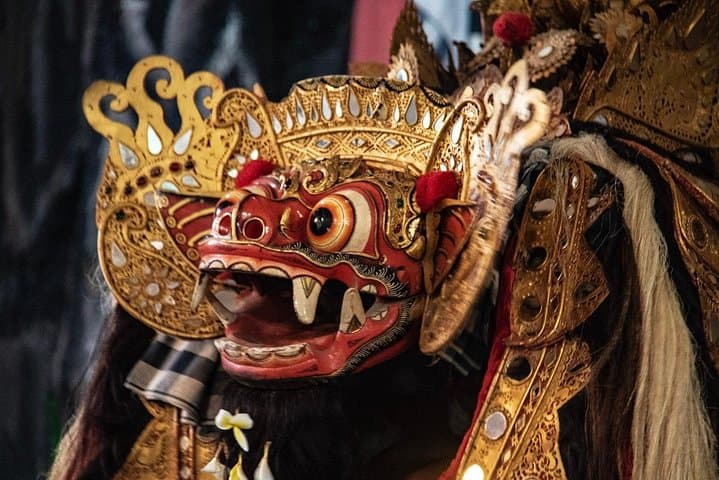
Experience Bali’s cultural heart and volcanic highlands in one day: watch traditional dance, walk the Tegalalang rice terraces, savor lunch with a Mount Batur view, and explore Besakih, Bali’s Mother Temple. This full-day tour combines art villages, geology, and temple ritual with practical comforts.
Experience Bali’s cultural heart and volcanic highlands in one day: watch traditional dance, walk the Tegalalang rice terraces, savor lunch with a Mount Batur view, and explore Besakih, Bali’s Mother Temple. This full-day tour combines art villages, geology, and temple ritual with practical comforts.
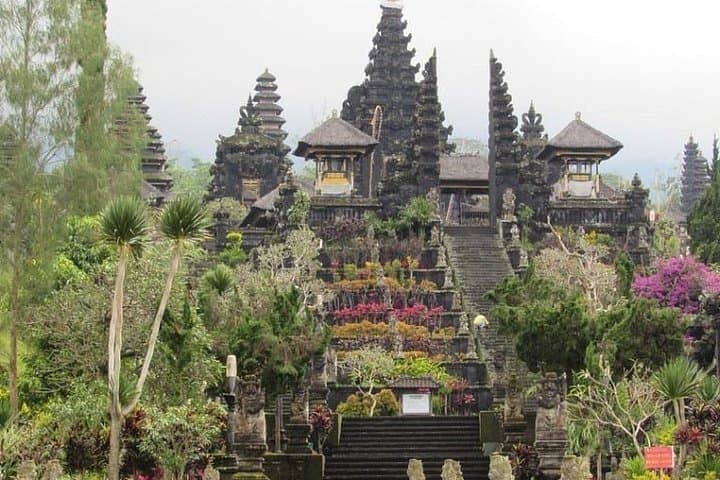
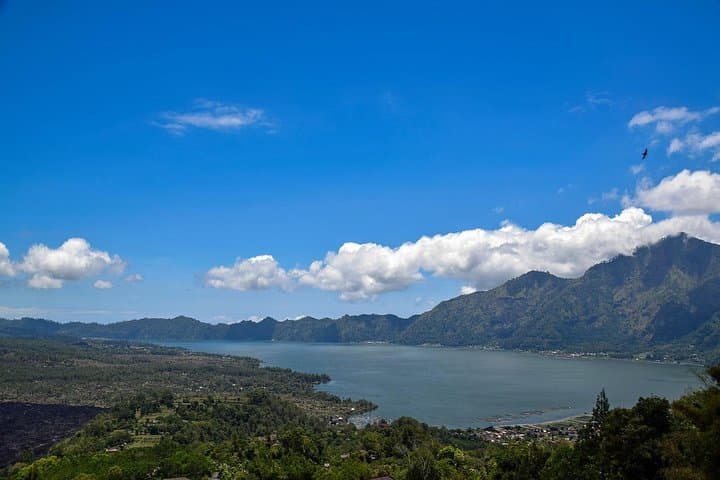
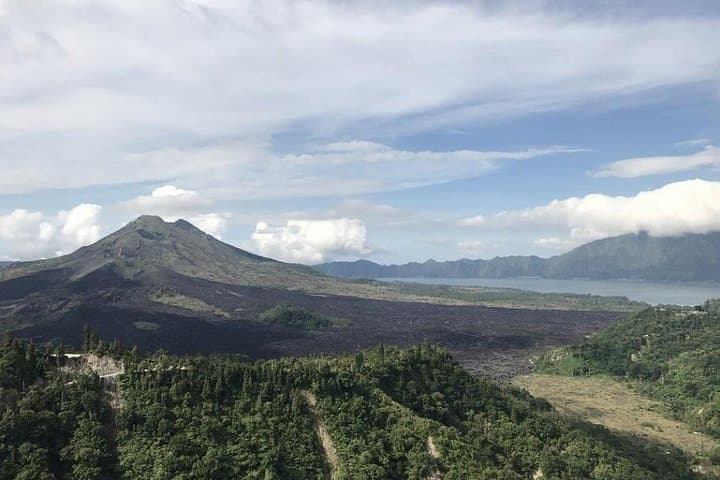
A morning drive out of Ubud unfolds through palm-fringed lanes and coffee plantations, the road climbing toward a horizon split by smoke and stone. By late morning the low rim of Mount Batur comes into view across Lake Batur, the volcano’s caldera daring you to imagine the eruption that shaped this highland basin. Later the group arrives at Besakih — prayer bells, carved stone, and a complex of courtyards stacked up the flank of Agung.
Verified experiences and guided adventures in the surrounding area.
Operated by Get Bali Tour · Besakih, Bali
A morning drive out of Ubud unfolds through palm-fringed lanes and coffee plantations, the road climbing toward a horizon split by smoke and stone. By late morning the low rim of Mount Batur comes into view across Lake Batur, the volcano’s caldera daring you to imagine the eruption that shaped this highland basin. Later the group arrives at Besakih — prayer bells, carved stone, and a complex of courtyards stacked up the flank of Agung.
The route stitches together Bali’s craft history and geology: Celuk’s silversmiths and Batuan’s painters reflect centuries of village arts, while the terraced rice at Tegalalang shows ancient subak irrigation adapted to steep slopes. Kintamani frames volcanic geology — a landscape formed by explosive caldera collapse and resurfaced by lava flows — and Besakih stands as Bali’s largest and most important Hindu temple complex, a focal point of ritual life for the island.
Practical guidance: this is a full-day, mostly low-impact tour with walking on uneven stone and stepped temple terraces; comfortable, respectful clothing is required at temple sites (a sarong and sash are often provided or available for rent). Bring sun protection and a light rain layer—weather changes quickly at higher elevation. Carry small bills for offerings and local purchases, and hydrate between stops; bottled water is typically supplied. Expect guided explanations at each stop and short photo stops along the rice terraces and caldera rim. The day moves at a steady pace: cultural performances and artisan stops in the morning, panoramic lunch overlooking Lake Batur, then Besakih’s layered sanctuaries in the afternoon.
easy.
10 hours.
Suitable for travelers of average fitness able to walk short uneven sections and climb temple steps
Yes—temple protocol requires covered legs; sarongs and sashes are often available to rent or provided by guides for visitors.
Ubud to Kintamani is about 45–60 minutes by car depending on traffic; Besakih is further east, roughly an additional 60–90 minutes from Kintamani.
Yes—the tour is rated easy with short walks, though temple steps and some uneven surfaces may be challenging for limited-mobility guests; wheelchair access varies by site.
You’ll have clear rim and lake views from Kintamani on good-weather days, but summit approaches are not included—this tour focuses on panoramic viewpoints and cultural stops.
Besakih developed over centuries atop volcanic slopes and is Bali’s largest Hindu complex; its courtyards and ritual schedule reflect layered village and royal patronage.
Visitors should stick to paths, avoid littering, and respect offerings; local conservation focuses on erosion control on terraces and preserving temple stonework from tourist wear.
Get Bali Tour operates guided outdoor trips and adventures with an emphasis on safety, stewardship, and memorable experiences.
A morning drive out of Ubud unfolds through palm-fringed lanes and coffee plantations, the road climbing toward a horizon split by smoke and stone. By late morning the low rim of Mount Batur comes into view across Lake Batur, the volcano’s caldera daring you to imagine the eruption that shaped this highland basin. Later the group arrives at Besakih — prayer bells, carved stone, and a complex of courtyards stacked up the flank of Agung.
A morning drive out of Ubud unfolds through palm-fringed lanes and coffee plantations, the road climbing toward a horizon split by smoke and stone. By late morning the low rim of Mount Batur comes into view across Lake Batur, the volcano’s caldera daring you to imagine the eruption that shaped this highland basin. Later the group arrives at Besakih — prayer bells, carved stone, and a complex of courtyards stacked up the flank of Agung.
The route stitches together Bali’s craft history and geology: Celuk’s silversmiths and Batuan’s painters reflect centuries of village arts, while the terraced rice at Tegalalang shows ancient subak irrigation adapted to steep slopes. Kintamani frames volcanic geology — a landscape formed by explosive caldera collapse and resurfaced by lava flows — and Besakih stands as Bali’s largest and most important Hindu temple complex, a focal point of ritual life for the island.
Practical guidance: this is a full-day, mostly low-impact tour with walking on uneven stone and stepped temple terraces; comfortable, respectful clothing is required at temple sites (a sarong and sash are often provided or available for rent). Bring sun protection and a light rain layer—weather changes quickly at higher elevation. Carry small bills for offerings and local purchases, and hydrate between stops; bottled water is typically supplied. Expect guided explanations at each stop and short photo stops along the rice terraces and caldera rim. The day moves at a steady pace: cultural performances and artisan stops in the morning, panoramic lunch overlooking Lake Batur, then Besakih’s layered sanctuaries in the afternoon.