THE ADVENTURE COLLECTIVE® · Independent discovery and booking for outdoor travel

Board the Bernina Red Train for a full-day alpine loop from Milan that blends engineering marvels, glaciers, and townside charm. Expect long travel time but unforgettable views and short, walkable explorations in St. Moritz and Tirano.
Board the Bernina Red Train for a full-day alpine loop from Milan that blends engineering marvels, glaciers, and townside charm. Expect long travel time but unforgettable views and short, walkable explorations in St. Moritz and Tirano.
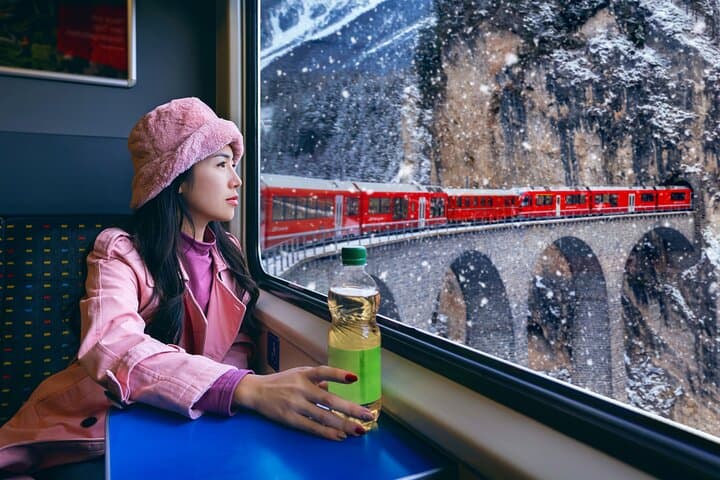
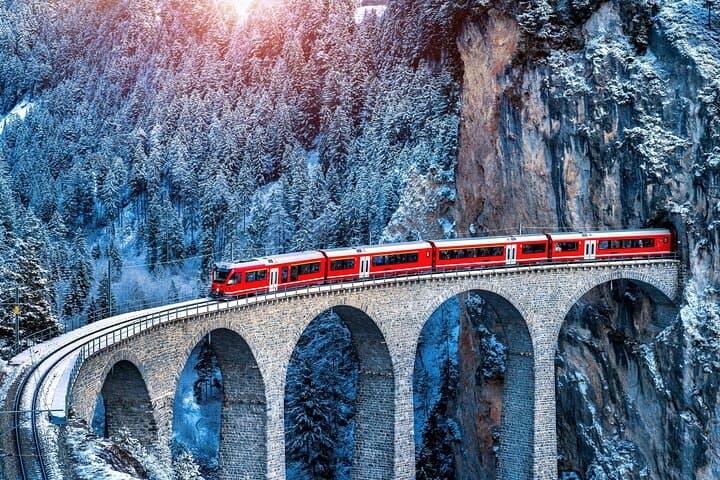
A morning coach pulls out of Milan before sunrise and the city’s hum gives way to folding vineyards and narrow alpine valleys. By mid-morning the Bernina Red Train winds into higher air: granite cliffs, sudden waterfalls that dare you to step closer, and meadows that push the line of sight toward glaciers. The ride itself is the main event—arched viaducts, hairpin loops and the famous Brusio Spiral carving space into the slopes.
Verified experiences and guided adventures in the surrounding area.
Operated by City Wonders Ltd · St. Moritz, Graubünden
A morning coach pulls out of Milan before sunrise and the city’s hum gives way to folding vineyards and narrow alpine valleys. By mid-morning the Bernina Red Train winds into higher air: granite cliffs, sudden waterfalls that dare you to step closer, and meadows that push the line of sight toward glaciers. The ride itself is the main event—arched viaducts, hairpin loops and the famous Brusio Spiral carving space into the slopes.
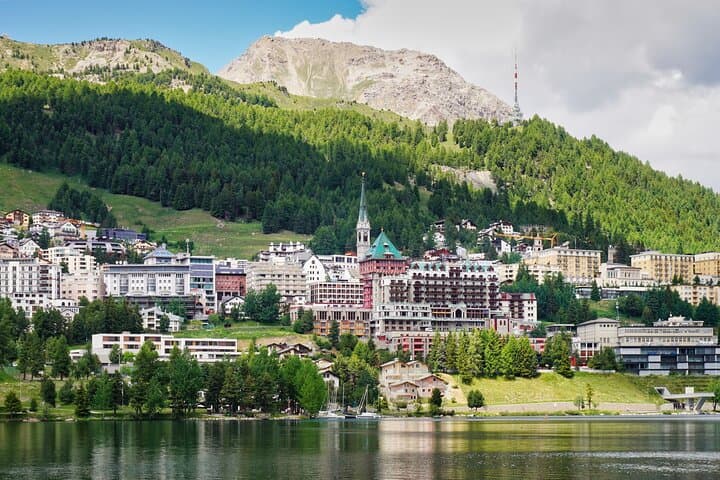
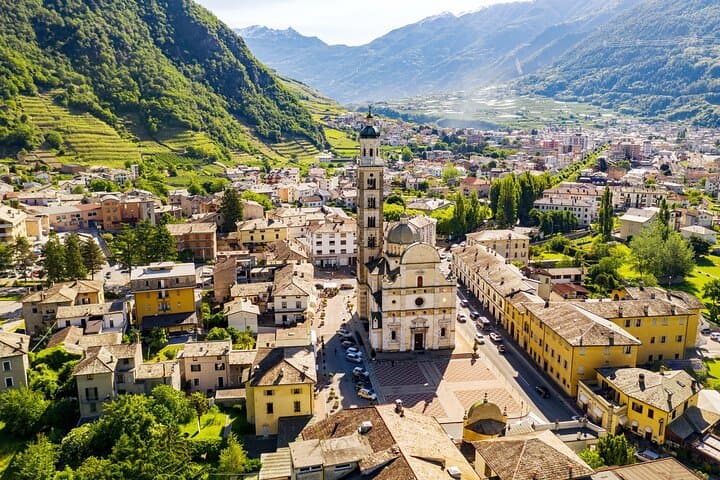
This corridor sits on a geological seam where Southern Alps limestone meets crystalline ranges; engineers of the early 20th century turned that challenge into the UNESCO-listed Bernina Line. St. Moritz grew from a mineral-spring spa into an international mountain town, its lake reflecting peaks that shaped local economy and winter culture for centuries. Tirano, on the Italian side, keeps a medieval street plan and foods that contrast sharply with Swiss alpine refinement.
Practicalities: expect a full-day outing (about 10–11 hours). Bring your passport—this crosses the Swiss-Italian border—and layered clothing for rapid temperature shifts between valley and pass. Window seats on the train are prized; the included tickets feature opening windows for unobstructed photos. Walks in St. Moritz and Tirano are short but on cobbles; comfortable, grippy footwear helps. Hydrate ahead of high-altitude sections and allow extra time for train photo stops.
The trip balances engineering spectacle with alpine character—an accessible, scenic day that rewards patience with sustained mountain panoramas and a clear sense of how transport, geology, and regional culture intersect.
moderate.
10–11 hours.
Moderate fitness for a long day of travel, short walks, and some standing on trains/stations
Yes — the tour crosses into Switzerland from Italy; bring a passport or national ID as required for your nationality.
The Bernina Line section runs roughly 2–3 hours with photo stops and passes through key landmarks like the Brusio Spiral.
Yes — the itinerary includes scheduled free time in both towns to walk, shop, or eat independently.
Children are welcome; infants must sit on an adult’s lap and the day is long, so evaluate tolerance for extended travel and altitude changes.
The Bernina Line was completed in the early 20th century as a feat of alpine engineering linking Swiss resorts to the Italian plains; St. Moritz’s growth as a winter destination dates to the 19th century spa movement.
The Bernina corridor is protected as part of the Rhaetian Railway UNESCO listing; travelers are asked to stay on paths, avoid littering, and respect local wildlife habitats.
City Wonders Ltd operates guided outdoor trips and adventures with an emphasis on safety, stewardship, and memorable experiences.
A morning coach pulls out of Milan before sunrise and the city’s hum gives way to folding vineyards and narrow alpine valleys. By mid-morning the Bernina Red Train winds into higher air: granite cliffs, sudden waterfalls that dare you to step closer, and meadows that push the line of sight toward glaciers. The ride itself is the main event—arched viaducts, hairpin loops and the famous Brusio Spiral carving space into the slopes.
A morning coach pulls out of Milan before sunrise and the city’s hum gives way to folding vineyards and narrow alpine valleys. By mid-morning the Bernina Red Train winds into higher air: granite cliffs, sudden waterfalls that dare you to step closer, and meadows that push the line of sight toward glaciers. The ride itself is the main event—arched viaducts, hairpin loops and the famous Brusio Spiral carving space into the slopes.
This corridor sits on a geological seam where Southern Alps limestone meets crystalline ranges; engineers of the early 20th century turned that challenge into the UNESCO-listed Bernina Line. St. Moritz grew from a mineral-spring spa into an international mountain town, its lake reflecting peaks that shaped local economy and winter culture for centuries. Tirano, on the Italian side, keeps a medieval street plan and foods that contrast sharply with Swiss alpine refinement.
Practicalities: expect a full-day outing (about 10–11 hours). Bring your passport—this crosses the Swiss-Italian border—and layered clothing for rapid temperature shifts between valley and pass. Window seats on the train are prized; the included tickets feature opening windows for unobstructed photos. Walks in St. Moritz and Tirano are short but on cobbles; comfortable, grippy footwear helps. Hydrate ahead of high-altitude sections and allow extra time for train photo stops.
The trip balances engineering spectacle with alpine character—an accessible, scenic day that rewards patience with sustained mountain panoramas and a clear sense of how transport, geology, and regional culture intersect.