THE ADVENTURE COLLECTIVE® · Independent discovery and booking for outdoor travel

Explore the raw, colorful side of Berlin with an Italian-speaking guide. This 3.5-hour walking tour takes you from Urban Nation to Kreuzberg’s murals and the courtyards of Hackescher Markt, pairing street art with local history and urban change.
Explore the raw, colorful side of Berlin with an Italian-speaking guide. This 3.5-hour walking tour takes you from Urban Nation to Kreuzberg’s murals and the courtyards of Hackescher Markt, pairing street art with local history and urban change.
You step out at Potsdamer Platz and the city exhales — a mix of tram clanks, distant voices and the sharp color of a mural visible between buildings.
Verified experiences and guided adventures in the surrounding area.
Operated by Vive Berlin Tours · Berlin, Berlin
You step out at Potsdamer Platz and the city exhales — a mix of tram clanks, distant voices and the sharp color of a mural visible between buildings.
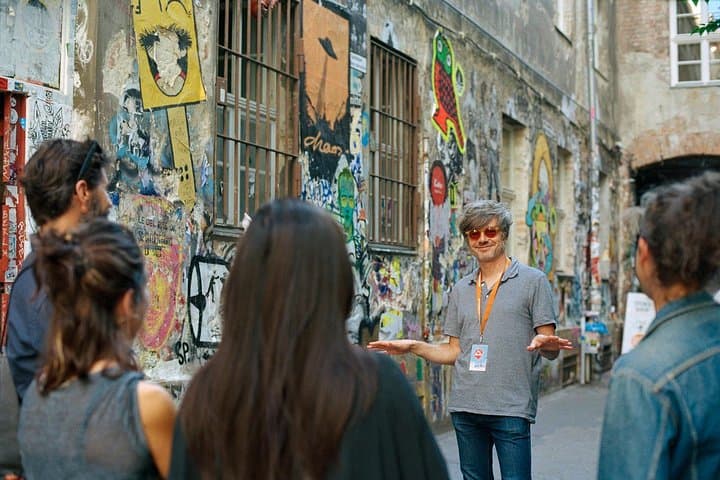
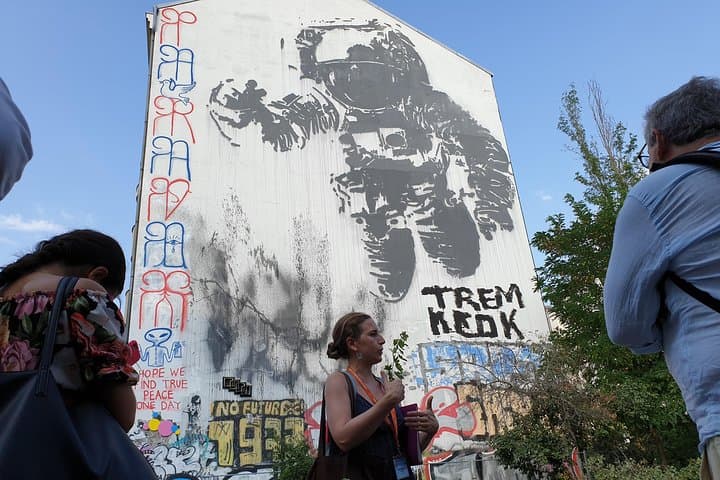
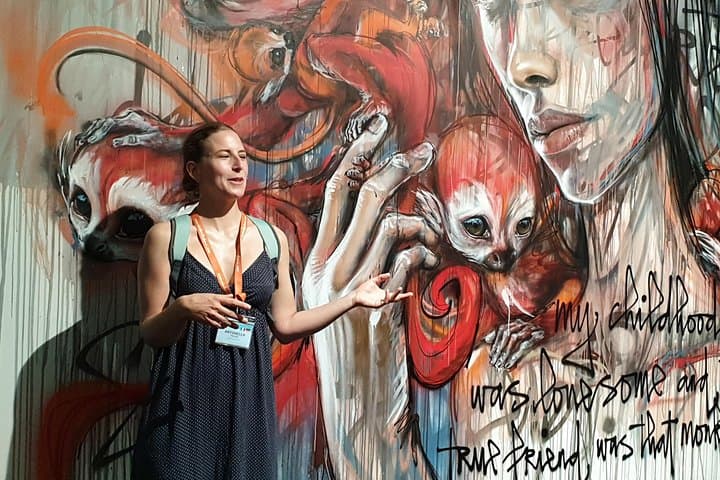
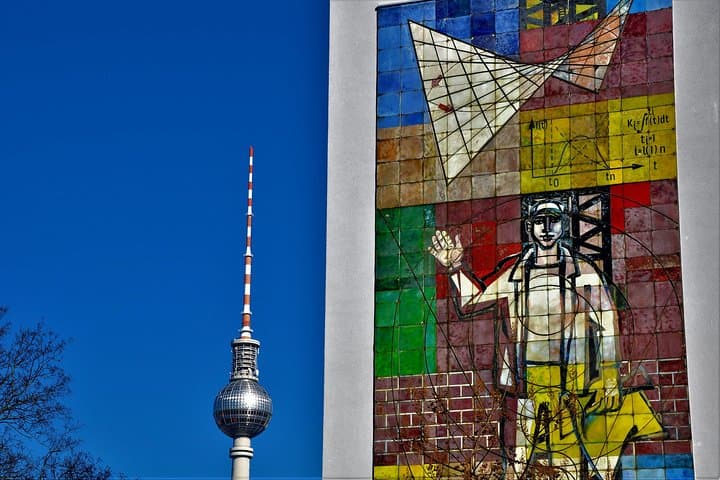
This Italian-language walking tour threads through Kreuzberg, Friedrichshain and Mitte, guiding you past the Urban Nation museum, RAW-Gelände and the courtyards of Hackescher Markt. Along the way your guide explains how Cold War divisions, vacant lots and a burst of post-reunification energy created the conditions for a graffiti and street art boom that transformed derelict walls into open-air galleries.
The geology here is human-made: reclaimed industrial yards, old rail embankments and the riverine margins of the Spree that artists adopted as vast outdoor canvases. Cultural notes surface naturally — from the squatting movements of the 1980s to the arrival of global street artists and the simultaneous pressures of gentrification that re-shaped these neighborhoods in the 1990s and 2000s.
Expect 3.5 hours of easy, urban walking (up to 2–3 miles total) with photo stops, short talks and alleyway detours. Practical points: meet at the Balzac Coffee near Stresemannstrasse, wear comfortable shoes for cobbles and painted stairwells, carry water and a light jacket for sudden rain. Photography is welcome but respect works and private property; many murals are unofficial and fragile. Small groups keep the walk conversational, and an Italian-speaking guide makes the local art scene accessible and immediate. This tour is for curious travelers who want to see Berlin’s alternative backbone and understand the social stories painted into its walls.
easy.
3.5 hours.
Able to stand and walk for several hours with occasional stair use; suitable for general fitness levels
Yes, the guide leads the entire tour in Italian, including historical context, artist background and Q&A.
The tour notes indicate wheelchair accessibility for key sections; contact the operator ahead to confirm any specific mobility needs.
Meet in front of Balzac Coffee at Potsdamer Platz (corner with Stresemannstrasse); arrive 10–15 minutes early to check in.
Photography is allowed; please don’t touch or climb on artworks. Tipping the guide is appreciated but not mandatory.
Berlin’s alternative culture grew from Cold War vacancy and post-reunification freedom; abandoned industrial sites became stages for experimental art and activism.
Respect for ephemeral street art is key — avoid touching works, follow graffiti etiquette, and support local galleries and community projects when possible.
Vive Berlin Tours operates guided outdoor trips and adventures with an emphasis on safety, stewardship, and memorable experiences.
You step out at Potsdamer Platz and the city exhales — a mix of tram clanks, distant voices and the sharp color of a mural visible between buildings.
You step out at Potsdamer Platz and the city exhales — a mix of tram clanks, distant voices and the sharp color of a mural visible between buildings.
This Italian-language walking tour threads through Kreuzberg, Friedrichshain and Mitte, guiding you past the Urban Nation museum, RAW-Gelände and the courtyards of Hackescher Markt. Along the way your guide explains how Cold War divisions, vacant lots and a burst of post-reunification energy created the conditions for a graffiti and street art boom that transformed derelict walls into open-air galleries.
The geology here is human-made: reclaimed industrial yards, old rail embankments and the riverine margins of the Spree that artists adopted as vast outdoor canvases. Cultural notes surface naturally — from the squatting movements of the 1980s to the arrival of global street artists and the simultaneous pressures of gentrification that re-shaped these neighborhoods in the 1990s and 2000s.
Expect 3.5 hours of easy, urban walking (up to 2–3 miles total) with photo stops, short talks and alleyway detours. Practical points: meet at the Balzac Coffee near Stresemannstrasse, wear comfortable shoes for cobbles and painted stairwells, carry water and a light jacket for sudden rain. Photography is welcome but respect works and private property; many murals are unofficial and fragile. Small groups keep the walk conversational, and an Italian-speaking guide makes the local art scene accessible and immediate. This tour is for curious travelers who want to see Berlin’s alternative backbone and understand the social stories painted into its walls.