THE ADVENTURE COLLECTIVE® · Independent discovery and booking for outdoor travel

A 90-minute private rickshaw tour from Alexanderplatz that covers central Berlin’s major sights with photo stops and local insights. Ideal for first-time visitors who want an outdoor, low-impact orientation to the city.
A 90-minute private rickshaw tour from Alexanderplatz that covers central Berlin’s major sights with photo stops and local insights. Ideal for first-time visitors who want an outdoor, low-impact orientation to the city.
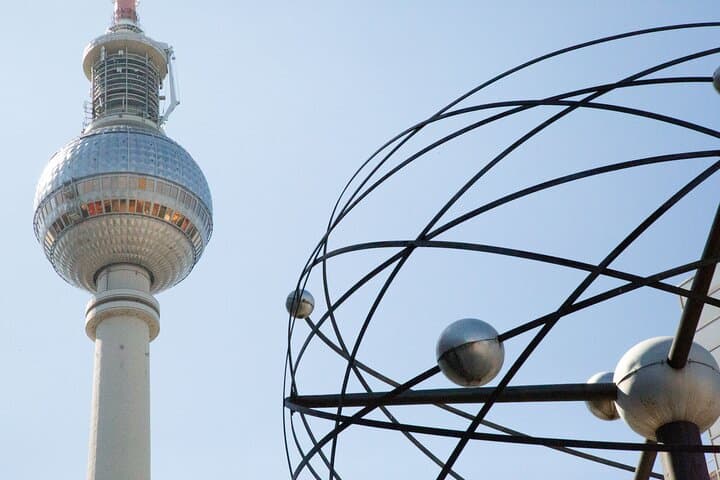
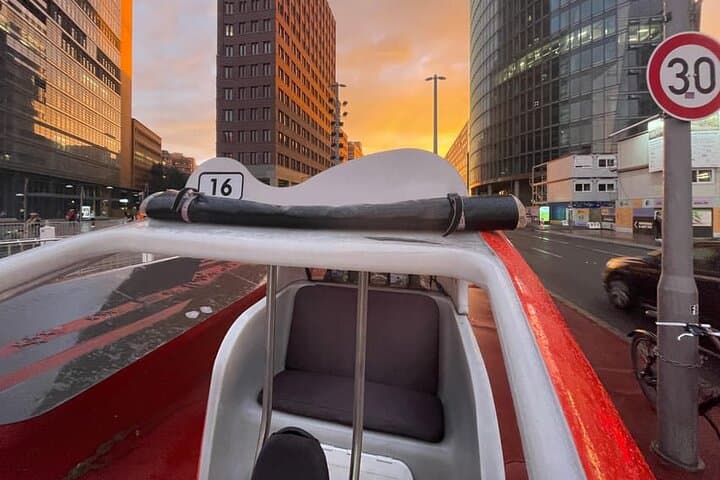
You start at the World Clock on Alexanderplatz, the city’s rotating pulse, and a rickshaw driver guides you into the flow of Berlin’s avenues. The straps of the seat hum with the breeze while the driver steers between cycle lanes and broad plazas, each turn revealing a new face of the city: glass towers, Soviet-era façades, and the watchful silhouette of the TV tower.
Verified experiences and guided adventures in the surrounding area.
Operated by Rikschakalaka · Berlin, Berlin
You start at the World Clock on Alexanderplatz, the city’s rotating pulse, and a rickshaw driver guides you into the flow of Berlin’s avenues. The straps of the seat hum with the breeze while the driver steers between cycle lanes and broad plazas, each turn revealing a new face of the city: glass towers, Soviet-era façades, and the watchful silhouette of the TV tower.
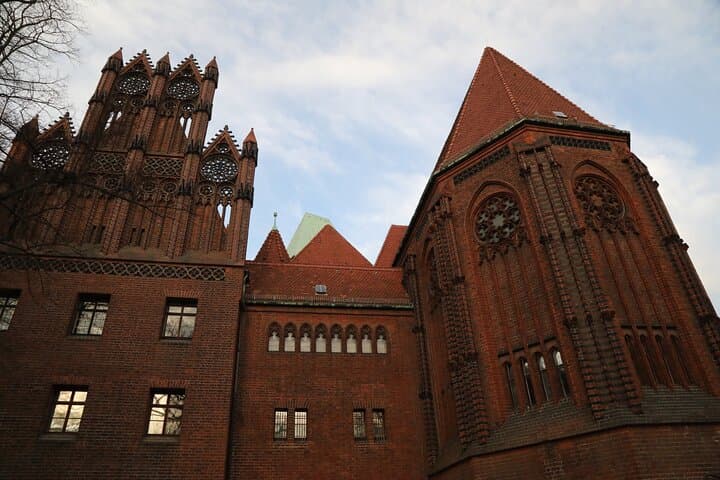
The route threads through layers of history — from the 18th-century grandeur of Museum Island and the Cathedral to the Nazi and Cold War scars around Potsdamer Platz and Checkpoint Charlie. Geologically, the flat Spree valley leaves few climbs but long sightlines; the city’s character is written horizontally in boulevards, plazas and the River Spree that pushes the urban grid toward the east.
Culturally, the tour is a primer: public art, memorials and the boulevard culture around Unter den Linden and Friedrichstraße. Your guide supplies context — why the Brandenburg Gate became a reunification emblem and where to find the best local gelato.
Practical guidance: this is an easy, low-impact way to cover central Berlin in 90 minutes. Bring a light jacket for wind on open stretches and secure loose items during photo stops. The driver can pause for 10–15 minute views at key sites (Reichstag, Berlin Cathedral, Gendarmenmarkt) but museum entry requires extra time. Expect frequent stops for photos and brief explanations rather than in-depth exhibitions.
Timing matters: mornings are quieter for photos; late afternoons offer softer light. The rickshaw keeps you outdoors and mobile — a quick, personalized orientation that leaves you ready to dive deeper into any one site afterward.
easy.
1–1.5 hours.
Minimal—suitable for most fitness levels; passengers remain seated for the duration
The meeting point is the World Clock at Alexanderplatz; the guide typically concludes at Gendarmenmarkt but can agree on a different nearby stop.
Yes—infants and small children can ride and stroller access is possible; inform the operator when booking so they can prepare infant seats if needed.
The tour is private and customizable within central Berlin; mention must-see sites when booking and the guide will tailor the route when feasible.
Language availability depends on guide selection—confirm your preferred language at booking to ensure a match.
The tour travels through zones shaped by Prussian imperial projects, WWII destruction and Cold War division; sites like Brandenburg Gate and Checkpoint Charlie mark key chapters in modern German history.
Rickshaws are low-emission and use existing cycle lanes; remain on marked paths and avoid tram tracks to reduce wear and respect local traffic rules.
Rikschakalaka operates guided outdoor trips and adventures with an emphasis on safety, stewardship, and memorable experiences.
You start at the World Clock on Alexanderplatz, the city’s rotating pulse, and a rickshaw driver guides you into the flow of Berlin’s avenues. The straps of the seat hum with the breeze while the driver steers between cycle lanes and broad plazas, each turn revealing a new face of the city: glass towers, Soviet-era façades, and the watchful silhouette of the TV tower.
You start at the World Clock on Alexanderplatz, the city’s rotating pulse, and a rickshaw driver guides you into the flow of Berlin’s avenues. The straps of the seat hum with the breeze while the driver steers between cycle lanes and broad plazas, each turn revealing a new face of the city: glass towers, Soviet-era façades, and the watchful silhouette of the TV tower.
The route threads through layers of history — from the 18th-century grandeur of Museum Island and the Cathedral to the Nazi and Cold War scars around Potsdamer Platz and Checkpoint Charlie. Geologically, the flat Spree valley leaves few climbs but long sightlines; the city’s character is written horizontally in boulevards, plazas and the River Spree that pushes the urban grid toward the east.
Culturally, the tour is a primer: public art, memorials and the boulevard culture around Unter den Linden and Friedrichstraße. Your guide supplies context — why the Brandenburg Gate became a reunification emblem and where to find the best local gelato.
Practical guidance: this is an easy, low-impact way to cover central Berlin in 90 minutes. Bring a light jacket for wind on open stretches and secure loose items during photo stops. The driver can pause for 10–15 minute views at key sites (Reichstag, Berlin Cathedral, Gendarmenmarkt) but museum entry requires extra time. Expect frequent stops for photos and brief explanations rather than in-depth exhibitions.
Timing matters: mornings are quieter for photos; late afternoons offer softer light. The rickshaw keeps you outdoors and mobile — a quick, personalized orientation that leaves you ready to dive deeper into any one site afterward.