THE ADVENTURE COLLECTIVE® · Independent discovery and booking for outdoor travel

A concise, scholar-led 3-hour walking tour that traces Berlin’s 300-year arc from Prussian capital to modern cultural metropolis. Expect measured pacing, historian narration, and key stops like the Reichstag, Brandenburg Gate and Museum Island.
A concise, scholar-led 3-hour walking tour that traces Berlin’s 300-year arc from Prussian capital to modern cultural metropolis. Expect measured pacing, historian narration, and key stops like the Reichstag, Brandenburg Gate and Museum Island.
You step out of Café Einstein onto Unter den Linden and the city opens like a set of chapters: horse-chestnuts line a broad boulevard, the Spree glints a few blocks away, and the glass dome of the Reichstag punctuates the skyline.
Verified experiences and guided adventures in the surrounding area.
Operated by Insight Cities · Berlin, Berlin
You step out of Café Einstein onto Unter den Linden and the city opens like a set of chapters: horse-chestnuts line a broad boulevard, the Spree glints a few blocks away, and the glass dome of the Reichstag punctuates the skyline.
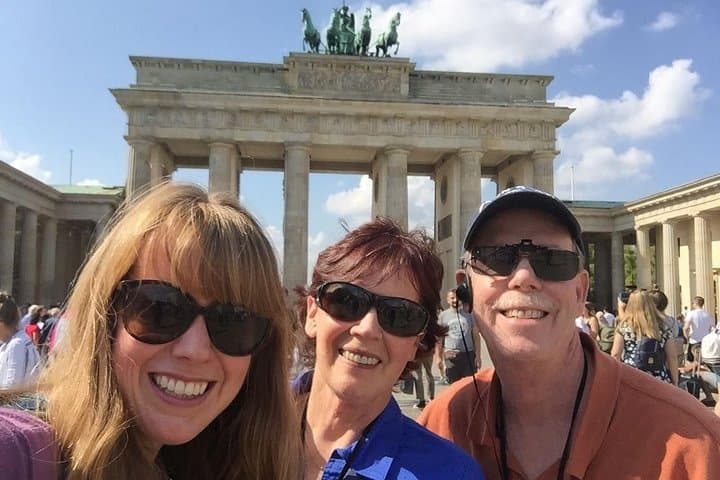
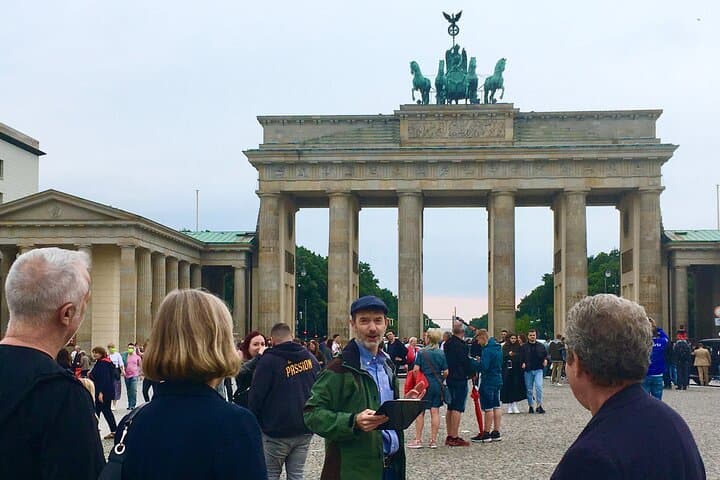
This three-hour scholar-led walk threads 300 years of Berlin history — from Prussia’s rise through imperial pomp, the fractures of the 20th century, to the city’s current role as a cultural crossroads. Geology and urban design meet here: the Spree’s low-lying floodplain shaped early settlement patterns and the long boulevards were laid out to connect palace, park and parliament. Stop at Brandenburg Gate and feel the iron-clad sweep of statecraft; on Museum Island, Prussian collecting and 19th-century nationalism are visible in stone and artifact. The Memorial to the Murdered Jews of Europe reframes public space into a place of reflection.
Culturally, the walk passes neighborhoods that shifted from elite residences to divided frontiers and now to cafes, galleries and immigrant-run markets — a good primer on how memory and migration shape a city.
Practical: meet outside Café Einstein, Unter den Linden 42. The pace is gentle with frequent stops; expect city pavements, light stairs and up to 2–3 miles of walking. Guides are historians and journalists who blend narrative with archival detail. Bring a water bottle, wear sturdy shoes and allow extra time for public-transport connections. Respect memorial sites and keep conversations low at reflection points. Small group sizes keep the tour conversational; ideal for first-time visitors who want context as they sightsee.
easy.
3 hours.
Suitable for most fitness levels; light to moderate walking on paved city streets for up to 2–3 miles
Meet outside Café Einstein at Unter den Linden 42; the guide will be waiting there — plan to arrive 10 minutes early.
This particular departure is English-language and scholar-led; check organizer listings for other language options.
Full refund is available if you cancel at least 24 hours before departure; after that refunds are not provided.
The tour is generally family-friendly and suitable for most mobility levels, but there are some standing periods and short stair sections; contact the operator for specific accessibility needs.
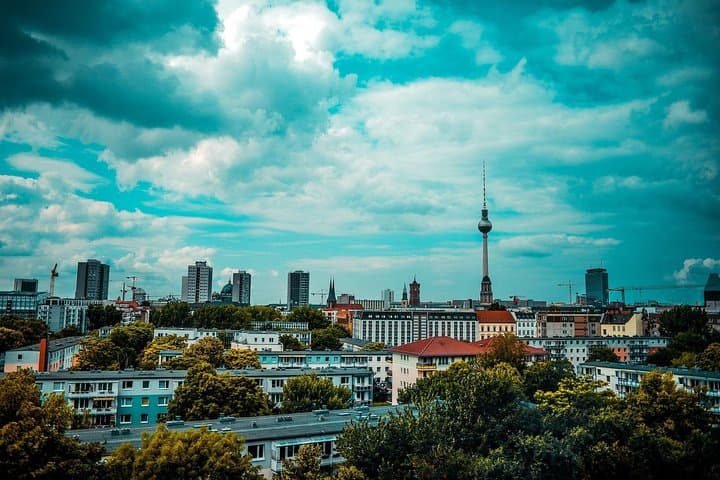
Berlin’s urban fabric reflects three centuries of state-building: Prussian palace planning, 19th-century cultural institutions, and 20th-century division and reunification.
Visitors are encouraged to use public transport, respect memorial sites, and follow low-impact practices to preserve public spaces and sensitive monuments.
Insight Cities operates guided outdoor trips and adventures with an emphasis on safety, stewardship, and memorable experiences.
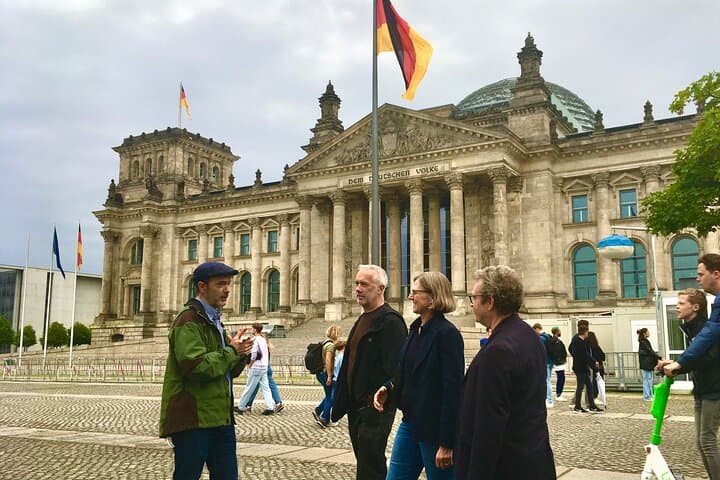
You step out of Café Einstein onto Unter den Linden and the city opens like a set of chapters: horse-chestnuts line a broad boulevard, the Spree glints a few blocks away, and the glass dome of the Reichstag punctuates the skyline.
You step out of Café Einstein onto Unter den Linden and the city opens like a set of chapters: horse-chestnuts line a broad boulevard, the Spree glints a few blocks away, and the glass dome of the Reichstag punctuates the skyline.
This three-hour scholar-led walk threads 300 years of Berlin history — from Prussia’s rise through imperial pomp, the fractures of the 20th century, to the city’s current role as a cultural crossroads. Geology and urban design meet here: the Spree’s low-lying floodplain shaped early settlement patterns and the long boulevards were laid out to connect palace, park and parliament. Stop at Brandenburg Gate and feel the iron-clad sweep of statecraft; on Museum Island, Prussian collecting and 19th-century nationalism are visible in stone and artifact. The Memorial to the Murdered Jews of Europe reframes public space into a place of reflection.
Culturally, the walk passes neighborhoods that shifted from elite residences to divided frontiers and now to cafes, galleries and immigrant-run markets — a good primer on how memory and migration shape a city.
Practical: meet outside Café Einstein, Unter den Linden 42. The pace is gentle with frequent stops; expect city pavements, light stairs and up to 2–3 miles of walking. Guides are historians and journalists who blend narrative with archival detail. Bring a water bottle, wear sturdy shoes and allow extra time for public-transport connections. Respect memorial sites and keep conversations low at reflection points. Small group sizes keep the tour conversational; ideal for first-time visitors who want context as they sightsee.