THE ADVENTURE COLLECTIVE® · Independent discovery and booking for outdoor travel

A full-day join-in shore excursion from Rostock that combines Berlin’s major landmarks with a guided visit to Sachsenhausen Memorial. Expect a 12‑hour day, bus transfers, guided city commentary and a 45–60 minute memorial visit.
A full-day join-in shore excursion from Rostock that combines Berlin’s major landmarks with a guided visit to Sachsenhausen Memorial. Expect a 12‑hour day, bus transfers, guided city commentary and a 45–60 minute memorial visit.
You step off the dock with salt on your jacket and a bus waiting to take you inland — the North Sea breeze gives way to the steady hum of the autobahn and, eventually, the layered skyline of Berlin. In one long day this join-in excursion stitches together the city’s core monuments with a short, solemn visit to Sachsenhausen concentration camp, where the brick barracks and watchtowers keep the memory of the 20th century’s darkest chapters visible.
Verified experiences and guided adventures in the surrounding area.
Operated by Uopera tours · Berlin, Berlin
You step off the dock with salt on your jacket and a bus waiting to take you inland — the North Sea breeze gives way to the steady hum of the autobahn and, eventually, the layered skyline of Berlin. In one long day this join-in excursion stitches together the city’s core monuments with a short, solemn visit to Sachsenhausen concentration camp, where the brick barracks and watchtowers keep the memory of the 20th century’s darkest chapters visible.
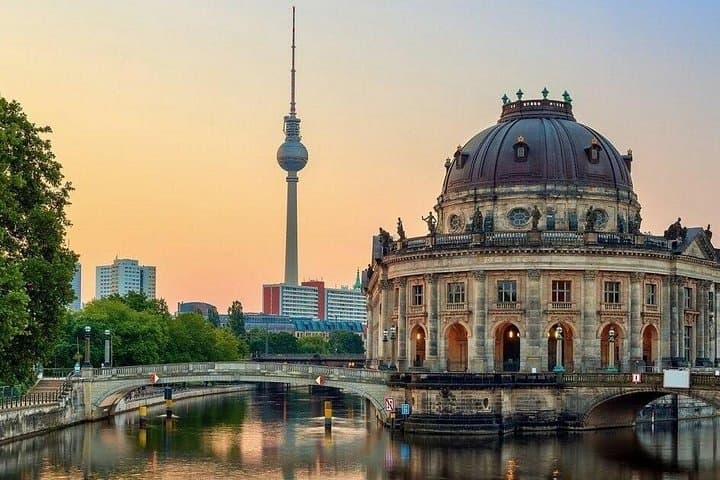
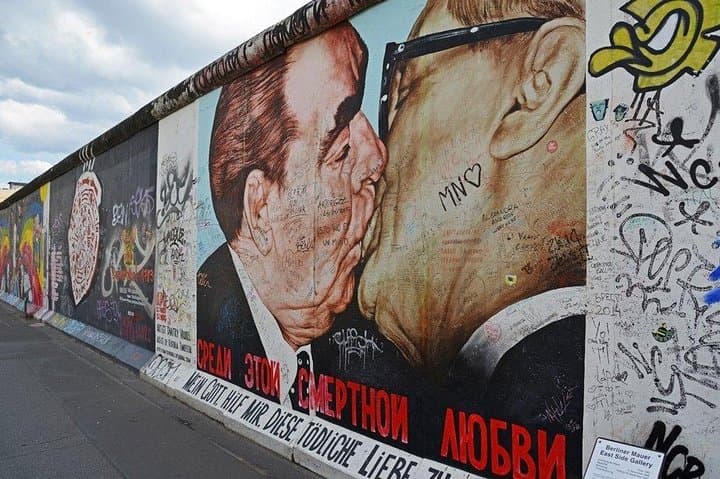
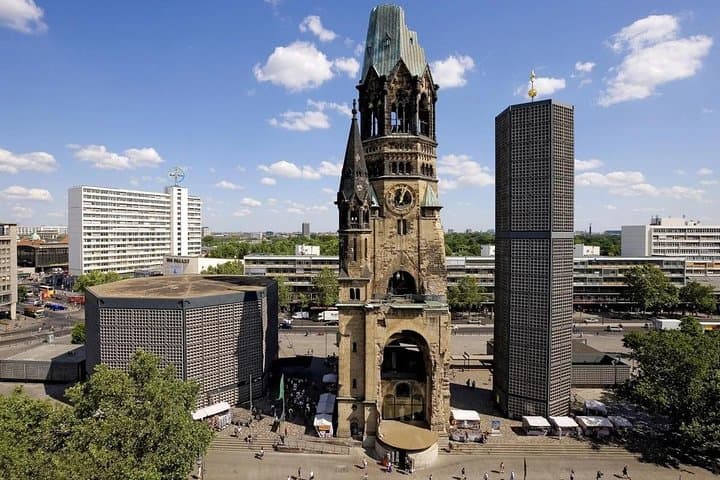
Berlin’s streets map political change: the Brandenburg Gate stood at the edge of division; the Reichstag’s glass dome now turns sunlight into a public viewpoint over the Tiergarten. Geology here is flat, glacial plain; the city’s course follows the Spree and low river terraces that made settlement easy and transport strategic. Culture spills from museum steps into currywurst kiosks and Humboldt University’s courtyards — modern life layered over Prussian palaces.
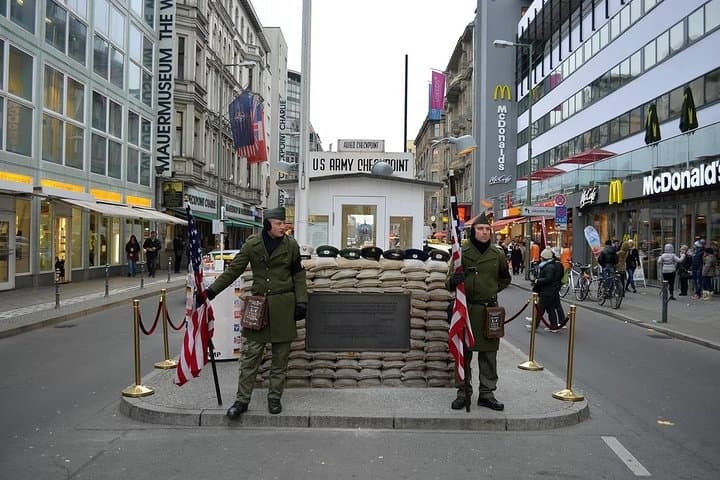
Sachsenhausen, north of the city in Oranienburg, opened in 1936 and functions as a memorial and study center; plan for a 45–60 minute, guided, reflective walk through the site and exhibitions. Back in Berlin you’ll pass the Victory Column, Potsdamer Platz and Checkpoint Charlie with brief stops for photos and context.
Practical edge: expect a full 12-hour day with about an hour for lunch on your own, moderate walking across mixed pavement and memorial grounds, and a roughly 1–1.5 hour transfer each way. Bring ID for memorial entry, comfortable shoes for standing and cobbles, a rain layer, and mental space for the camp visit. The pace is tight — arrive rested and prepared to move between history and the city’s present in one intensive day.
moderate.
12 hours.
Moderate fitness—able to walk and stand for multiple short segments and board a coach for transfers
The drive is approximately 1 to 1.5 hours each way depending on traffic; the full excursion is about 12 hours total.
The visit to the Sachsenhausen Memorial is included as a short guided stop; museum entrance specifics are handled by the tour guide onsite.
No — you get roughly 1 hour free time in Berlin to purchase lunch on your own; the tour includes a short 30-minute stop for a sandwich and drink option if organized.
This tour requires moderate mobility for walking on uneven surfaces and standing; please declare any mobility needs during booking so the operator can advise on suitability.
Sachsenhausen operated from 1936 to 1945 as a Nazi concentration camp and today serves as a memorial documenting imprisonment and the regime’s crimes; Berlin’s urban fabric reflects successive political eras from Prussian rule to the Cold War division and reunification.
Sachsenhausen is maintained as a protected memorial—visitors are asked to stay on designated paths, respect exhibits, and avoid photographing sensitive areas when requested.
Uopera tours operates guided outdoor trips and adventures with an emphasis on safety, stewardship, and memorable experiences.
You step off the dock with salt on your jacket and a bus waiting to take you inland — the North Sea breeze gives way to the steady hum of the autobahn and, eventually, the layered skyline of Berlin. In one long day this join-in excursion stitches together the city’s core monuments with a short, solemn visit to Sachsenhausen concentration camp, where the brick barracks and watchtowers keep the memory of the 20th century’s darkest chapters visible.
You step off the dock with salt on your jacket and a bus waiting to take you inland — the North Sea breeze gives way to the steady hum of the autobahn and, eventually, the layered skyline of Berlin. In one long day this join-in excursion stitches together the city’s core monuments with a short, solemn visit to Sachsenhausen concentration camp, where the brick barracks and watchtowers keep the memory of the 20th century’s darkest chapters visible.
Berlin’s streets map political change: the Brandenburg Gate stood at the edge of division; the Reichstag’s glass dome now turns sunlight into a public viewpoint over the Tiergarten. Geology here is flat, glacial plain; the city’s course follows the Spree and low river terraces that made settlement easy and transport strategic. Culture spills from museum steps into currywurst kiosks and Humboldt University’s courtyards — modern life layered over Prussian palaces.
Sachsenhausen, north of the city in Oranienburg, opened in 1936 and functions as a memorial and study center; plan for a 45–60 minute, guided, reflective walk through the site and exhibitions. Back in Berlin you’ll pass the Victory Column, Potsdamer Platz and Checkpoint Charlie with brief stops for photos and context.
Practical edge: expect a full 12-hour day with about an hour for lunch on your own, moderate walking across mixed pavement and memorial grounds, and a roughly 1–1.5 hour transfer each way. Bring ID for memorial entry, comfortable shoes for standing and cobbles, a rain layer, and mental space for the camp visit. The pace is tight — arrive rested and prepared to move between history and the city’s present in one intensive day.