THE ADVENTURE COLLECTIVE® · Independent discovery and booking for outdoor travel

See Berlin’s top landmarks in three hours by bike with a private guide who mixes history, street culture, and practical route choices. Perfect for first‑time visitors who want a concentrated, low‑effort introduction to the city.
See Berlin’s top landmarks in three hours by bike with a private guide who mixes history, street culture, and practical route choices. Perfect for first‑time visitors who want a concentrated, low‑effort introduction to the city.
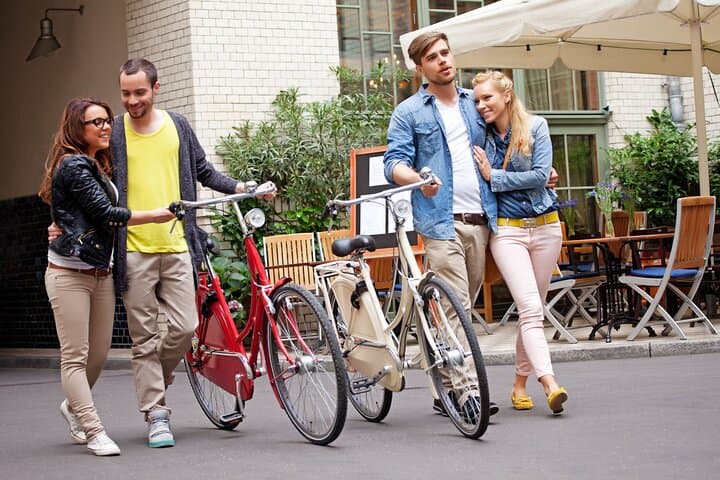
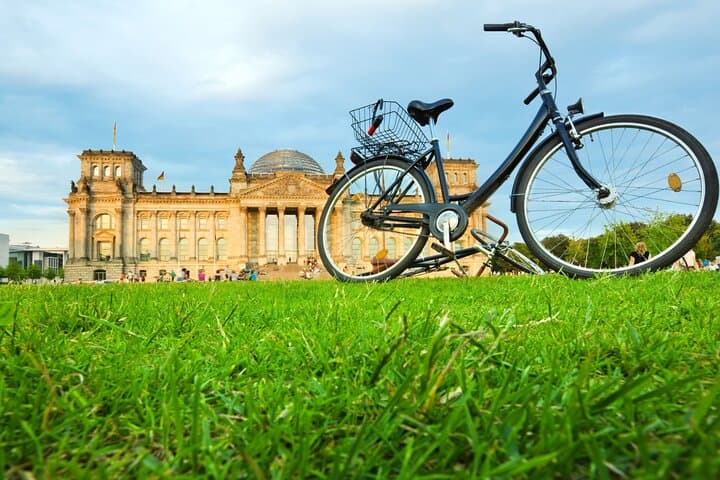
The city opens like a map under your wheels: the Spree flashes to your right, the Reichstag’s glass dome glints ahead, and fragments of the Wall smear color across an otherwise sober façade. Pedaling with a local guide, the ride folds history into urban fabric—broad boulevards give way to intimate courtyards and pop-up cafés where Berlin’s daily rhythm is on full display.
Verified experiences and guided adventures in the surrounding area.
Operated by Guydeez · Berlin, Berlin
The city opens like a map under your wheels: the Spree flashes to your right, the Reichstag’s glass dome glints ahead, and fragments of the Wall smear color across an otherwise sober façade. Pedaling with a local guide, the ride folds history into urban fabric—broad boulevards give way to intimate courtyards and pop-up cafés where Berlin’s daily rhythm is on full display.
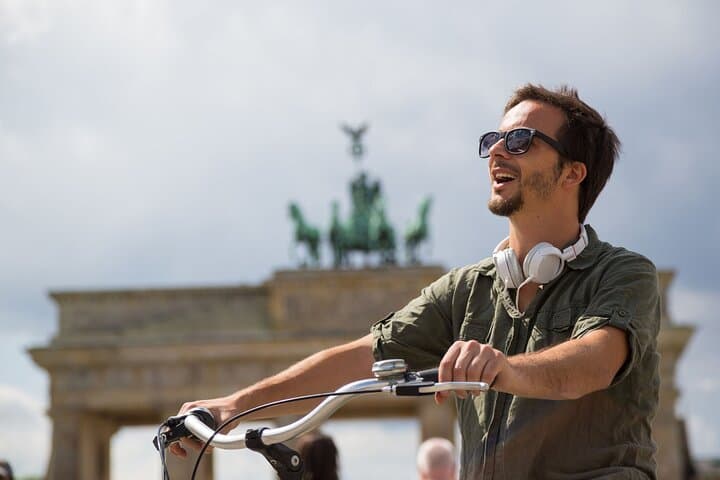
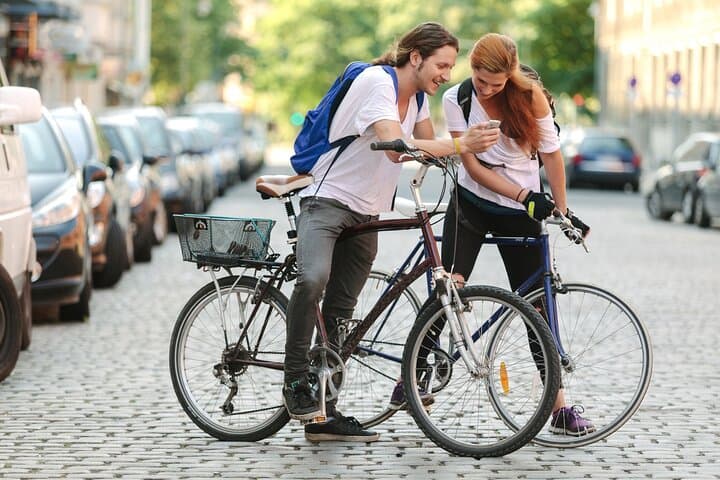
This three-hour route threads major landmarks—the Brandenburg Gate, Reichstag, Checkpoint Charlie and Alexanderplatz—while stopping for focused stories about Cold War division, the Reichstag’s post‑reunification restoration, and Berlin’s 19th‑century urban planning on the flat North European Plain. Geologically simple and mostly level, the city sits on glacial sediments; expect cobbles in older squares and smooth asphalt on main bike lanes. Culturally, the tour cuts into neighborhoods shaped by working‑class industry, postwar rebuilding and contemporary street art—your guide will point out murals, former border scars and local institutions.
Practical details are direct: the itinerary covers roughly 8–12 km with minimal elevation gain, frequent photo stops, and moderate traffic crossings in central districts. Bring a compact daypack, a filled water bottle, and layered clothing for sudden spring or autumn shifts. Follow your guide’s line through tram tracks and intersections; wear closed shoes for quick stops.
Timing matters—mornings are cooler and less crowded, late afternoons offer golden light for photos. A private guide makes navigation effortless, turning a short ride into a concentrated primer on Berlin’s past and present while keeping the pace comfortable for most riders.
easy.
3 hours.
Suitable for riders with basic fitness and comfort on a city bike; little climbing and regular stops make it accessible.
No advanced experience is required—basic bike handling, confidence with road traffic, and the ability to pedal for three hours with stops are sufficient.
Many operators provide helmets, but bringing your own ensures the best fit and hygiene—check with the provider when booking.
Children can join if they are comfortable riding in urban traffic; inquire about child seats or trailers when you book, as equipment varies.
Tours usually run in light rain—bring waterproof layers; the cancellation policy allows a refund if you cancel at least 24 hours in advance.
The route traces landmarks shaped by the 20th century: Reichstag’s reconstruction after reunification and the scars of the Berlin Wall that once split the city.
Cycling reduces visitor emissions and wear on fragile sites—stay on designated paths, avoid littering, and respect memorials and green spaces.
Guydeez operates guided outdoor trips and adventures with an emphasis on safety, stewardship, and memorable experiences.
The city opens like a map under your wheels: the Spree flashes to your right, the Reichstag’s glass dome glints ahead, and fragments of the Wall smear color across an otherwise sober façade. Pedaling with a local guide, the ride folds history into urban fabric—broad boulevards give way to intimate courtyards and pop-up cafés where Berlin’s daily rhythm is on full display.
The city opens like a map under your wheels: the Spree flashes to your right, the Reichstag’s glass dome glints ahead, and fragments of the Wall smear color across an otherwise sober façade. Pedaling with a local guide, the ride folds history into urban fabric—broad boulevards give way to intimate courtyards and pop-up cafés where Berlin’s daily rhythm is on full display.
This three-hour route threads major landmarks—the Brandenburg Gate, Reichstag, Checkpoint Charlie and Alexanderplatz—while stopping for focused stories about Cold War division, the Reichstag’s post‑reunification restoration, and Berlin’s 19th‑century urban planning on the flat North European Plain. Geologically simple and mostly level, the city sits on glacial sediments; expect cobbles in older squares and smooth asphalt on main bike lanes. Culturally, the tour cuts into neighborhoods shaped by working‑class industry, postwar rebuilding and contemporary street art—your guide will point out murals, former border scars and local institutions.
Practical details are direct: the itinerary covers roughly 8–12 km with minimal elevation gain, frequent photo stops, and moderate traffic crossings in central districts. Bring a compact daypack, a filled water bottle, and layered clothing for sudden spring or autumn shifts. Follow your guide’s line through tram tracks and intersections; wear closed shoes for quick stops.
Timing matters—mornings are cooler and less crowded, late afternoons offer golden light for photos. A private guide makes navigation effortless, turning a short ride into a concentrated primer on Berlin’s past and present while keeping the pace comfortable for most riders.