THE ADVENTURE COLLECTIVE® · Independent discovery and booking for outdoor travel

See Berlin’s landmarks and backstreets in a 3.5-hour shared e-bike tour that mixes e-bikes, e-scooters and rickshaws for all mobility levels. Guides keep the pace slow (10–15 km/h) while weaving history, architecture and photo stops into a compact city loop.
See Berlin’s landmarks and backstreets in a 3.5-hour shared e-bike tour that mixes e-bikes, e-scooters and rickshaws for all mobility levels. Guides keep the pace slow (10–15 km/h) while weaving history, architecture and photo stops into a compact city loop.
The Berlin TV Tower slides into view as spokes hum and the city reshapes itself around you — a patchwork of broad boulevards, granite squares and river bends. Riders set off from a central meeting point; the guide steers a steady, conversational pace while rickshaws ferry passengers who prefer to ride seated. Streets, leafy canals and plazas alternate so the group keeps moving without feeling rushed.
Verified experiences and guided adventures in the surrounding area.
Operated by Berlin-Rickshaw / Berlin-Excursions · Berlin, Berlin
The Berlin TV Tower slides into view as spokes hum and the city reshapes itself around you — a patchwork of broad boulevards, granite squares and river bends. Riders set off from a central meeting point; the guide steers a steady, conversational pace while rickshaws ferry passengers who prefer to ride seated. Streets, leafy canals and plazas alternate so the group keeps moving without feeling rushed.
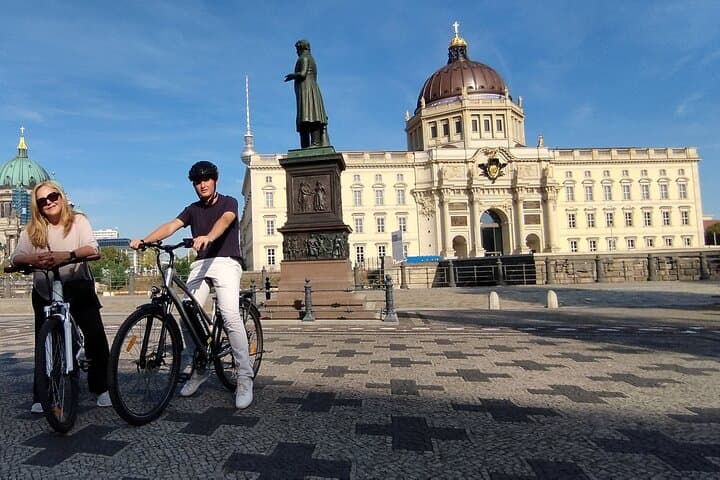
This loop moves through layers of Berlin’s history: Prussian-era façades, Cold War scars, and striking modern reconstructions like the Humboldt Forum. The Spree slices the route, daring riders to pause at museum corners and narrow bridges. Where correct traffic rules allow, guides pull close so rickshaw passengers can step within arm’s reach of monuments for photos.
Practically speaking, the tour lasts 3.5 hours with two daily departures (10:00 and 14:00) and caps small groups at about 10 riders. Speeds are gentle — organizers note 10–15 km/h for mixed vehicles — and the route includes stops at the TV Tower, Museum Island, Brandenburg Gate and other central sites.
Plan for urban surfaces: cobbles, bike lanes, and occasional tram tracks. Bring a charged phone, comfortable shoes, layered clothing and a refillable bottle. If someone in your party needs minimal walking, the rickshaw option keeps them included without sacrificing vantage points. Guides provide local context — from the book burnings at Bebelplatz to the Reichstag’s glass dome — while keeping safety and traffic etiquette front of mind. By the end, the city feels both readable and newly kinetic, perfect for families or mixed-ability groups wanting a compact, accessible orientation to Berlin.
easy.
3.5 hours.
Suitable for most fitness levels; riders should be able to sit on an e-bike or e-scooter for several hours and follow basic balance cues.
The tour is family-friendly and suitable for a wide range of ages; children who cannot ride independently can sit in rickshaws or ride with an adult depending on local safety rules.
Tours generally run in light rain; significant weather or insufficient bookings can lead to cancellation — check the operator’s 24-hour cancellation policy for refunds.
Yes — the rickshaw option is designed for less-mobile guests. Guides can stop frequently and help with boarding in a few steps.
The exact meeting location is provided at booking (central city point near major transit); arrive 10–15 minutes early to check in and receive a short safety briefing.
The route threads sites from imperial Prussia through Cold War division to reunified Berlin, with landmarks like the Reichstag and Brandenburg Gate marking political shifts in the city.
E-biking reduces per-person emissions compared with motor tours; riders are encouraged to use refillable bottles and respect pedestrian spaces to limit wear on historic sites.
Berlin-Rickshaw / Berlin-Excursions operates guided outdoor trips and adventures with an emphasis on safety, stewardship, and memorable experiences.
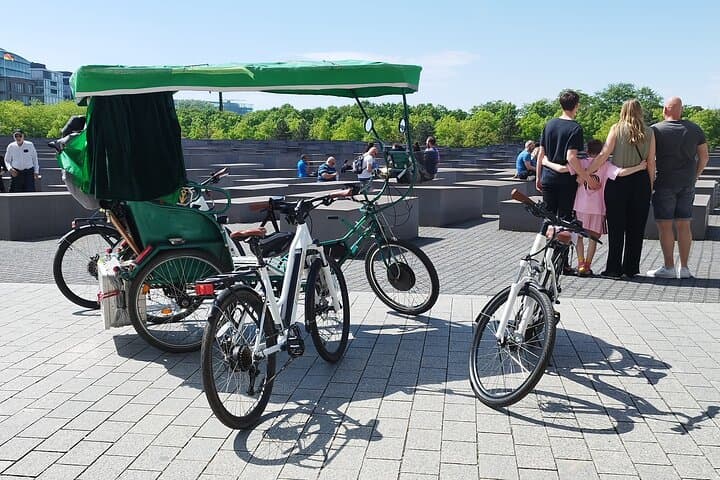
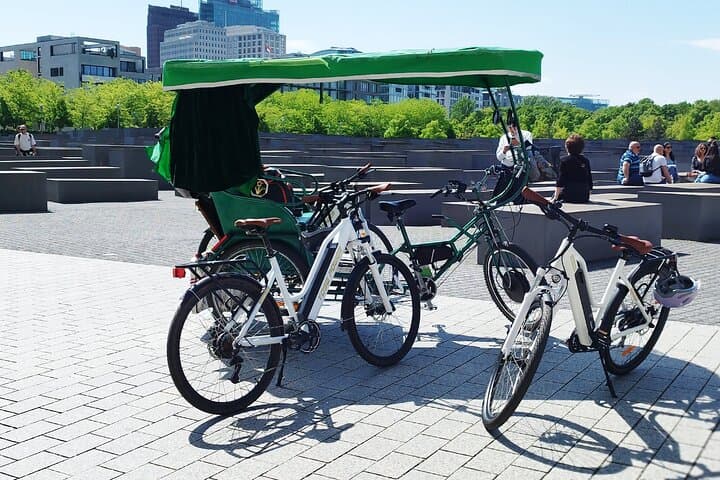
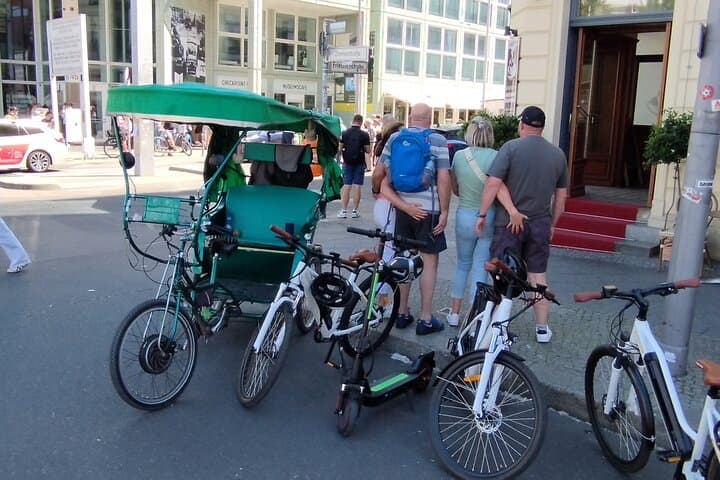
The Berlin TV Tower slides into view as spokes hum and the city reshapes itself around you — a patchwork of broad boulevards, granite squares and river bends. Riders set off from a central meeting point; the guide steers a steady, conversational pace while rickshaws ferry passengers who prefer to ride seated. Streets, leafy canals and plazas alternate so the group keeps moving without feeling rushed.
The Berlin TV Tower slides into view as spokes hum and the city reshapes itself around you — a patchwork of broad boulevards, granite squares and river bends. Riders set off from a central meeting point; the guide steers a steady, conversational pace while rickshaws ferry passengers who prefer to ride seated. Streets, leafy canals and plazas alternate so the group keeps moving without feeling rushed.
This loop moves through layers of Berlin’s history: Prussian-era façades, Cold War scars, and striking modern reconstructions like the Humboldt Forum. The Spree slices the route, daring riders to pause at museum corners and narrow bridges. Where correct traffic rules allow, guides pull close so rickshaw passengers can step within arm’s reach of monuments for photos.
Practically speaking, the tour lasts 3.5 hours with two daily departures (10:00 and 14:00) and caps small groups at about 10 riders. Speeds are gentle — organizers note 10–15 km/h for mixed vehicles — and the route includes stops at the TV Tower, Museum Island, Brandenburg Gate and other central sites.
Plan for urban surfaces: cobbles, bike lanes, and occasional tram tracks. Bring a charged phone, comfortable shoes, layered clothing and a refillable bottle. If someone in your party needs minimal walking, the rickshaw option keeps them included without sacrificing vantage points. Guides provide local context — from the book burnings at Bebelplatz to the Reichstag’s glass dome — while keeping safety and traffic etiquette front of mind. By the end, the city feels both readable and newly kinetic, perfect for families or mixed-ability groups wanting a compact, accessible orientation to Berlin.