THE ADVENTURE COLLECTIVE® · Independent discovery and booking for outdoor travel

Spend a day at the foot of the High Atlas exploring adobe Berber villages, tasting argan oil and sharing mint tea with locals. This eight-hour cultural tour from Agadir combines light walking, cooperative visits and panoramic viewpoints of almond and palm groves.
Spend a day at the foot of the High Atlas exploring adobe Berber villages, tasting argan oil and sharing mint tea with locals. This eight-hour cultural tour from Agadir combines light walking, cooperative visits and panoramic viewpoints of almond and palm groves.
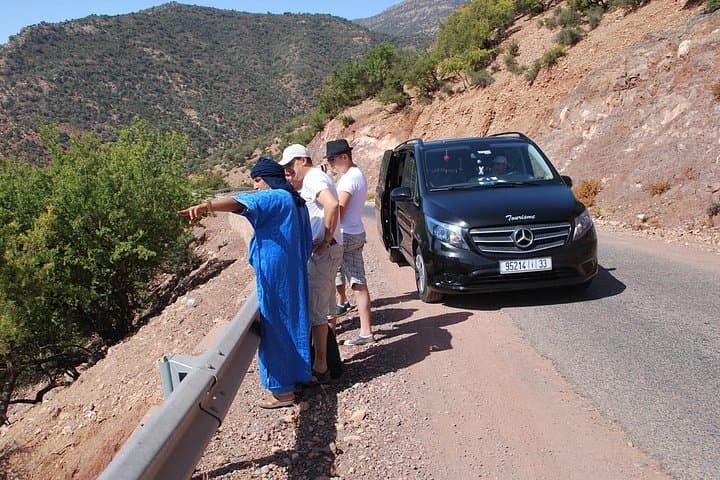
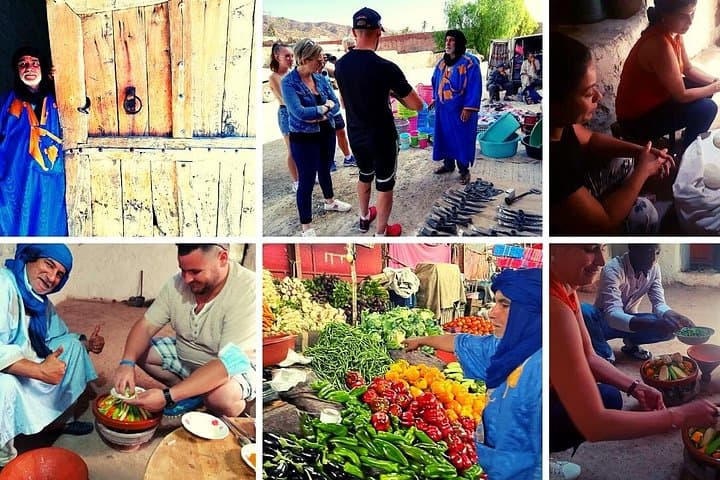
You step down from an air-conditioned minibus into a wash of ochre light: adobe houses rise in stepped rows, almond trees lean into narrow tracks and the High Atlas looms like a stone wall softened by distance. Mint tea is offered before the guide gestures toward the terraces where women crush argan nuts into a glossy, nutty oil called Amlou — a small, everyday ritual that explains a lot about life here.
Verified experiences and guided adventures in the surrounding area.
Operated by Aitoumanni · Agadir, Souss-Massa
You step down from an air-conditioned minibus into a wash of ochre light: adobe houses rise in stepped rows, almond trees lean into narrow tracks and the High Atlas looms like a stone wall softened by distance. Mint tea is offered before the guide gestures toward the terraces where women crush argan nuts into a glossy, nutty oil called Amlou — a small, everyday ritual that explains a lot about life here.
Geology and history are visible at a glance: folded strata of the Atlas show a long collision of African and Eurasian plates, while the villages themselves reflect Amazigh (Berber) building traditions—sun-dried mud brick, lime-washed walls and communal courtyards. Culturally, the region is defined by cooperative work: argan co-ops, shared irrigation and seasonal harvests. Local guides often double as storytellers, explaining lineage, agricultural cycles and how argan oil became an economic lifeline.
Practically, expect light walking on uneven village lanes and packed-earth tracks for roughly an hour at each stop, with time to visit a cooperative and sit for a shared lunch of vegetable-and-meat tajine. The tour runs about eight hours and includes pickup, transport and a midday meal. Bring cash for small purchases, modest clothing for respectful village visits, and a reusable water bottle — tap water isn’t recommended. Travel in the morning to avoid the hottest hours, and leave room in your schedule for unscripted moments: a rooftop view, a grandmother’s recipe, or a quiet walk through almond groves. This is a cultural day trip that rewards curiosity as much as camera lenses.
easy.
8 hours.
Suitable for most travelers; involves short, easy walks on uneven village paths and some standing during demonstrations.
The tour runs about eight hours, typically departing in the morning and returning late afternoon.
Yes — the tour includes pickup and transport in an air-conditioned vehicle between Agadir and the villages.
Breakfast snacks and a full Moroccan lunch (tajine, salad, dessert, water) are included as listed.
The itinerary is rated easy with short walks; however, village lanes are uneven, so limited mobility may make some stops challenging.
The region is predominantly Amazigh (Berber); villages use sun-dried adobe construction and agriculture has long centered on argan and almond cultivation.
Argan forests in the area are protected and many cooperatives focus on sustainable harvesting; visitors can reduce impact by avoiding single-use plastics and buying directly from co-ops.
Aitoumanni operates guided outdoor trips and adventures with an emphasis on safety, stewardship, and memorable experiences.

You step down from an air-conditioned minibus into a wash of ochre light: adobe houses rise in stepped rows, almond trees lean into narrow tracks and the High Atlas looms like a stone wall softened by distance. Mint tea is offered before the guide gestures toward the terraces where women crush argan nuts into a glossy, nutty oil called Amlou — a small, everyday ritual that explains a lot about life here.
You step down from an air-conditioned minibus into a wash of ochre light: adobe houses rise in stepped rows, almond trees lean into narrow tracks and the High Atlas looms like a stone wall softened by distance. Mint tea is offered before the guide gestures toward the terraces where women crush argan nuts into a glossy, nutty oil called Amlou — a small, everyday ritual that explains a lot about life here.
Geology and history are visible at a glance: folded strata of the Atlas show a long collision of African and Eurasian plates, while the villages themselves reflect Amazigh (Berber) building traditions—sun-dried mud brick, lime-washed walls and communal courtyards. Culturally, the region is defined by cooperative work: argan co-ops, shared irrigation and seasonal harvests. Local guides often double as storytellers, explaining lineage, agricultural cycles and how argan oil became an economic lifeline.
Practically, expect light walking on uneven village lanes and packed-earth tracks for roughly an hour at each stop, with time to visit a cooperative and sit for a shared lunch of vegetable-and-meat tajine. The tour runs about eight hours and includes pickup, transport and a midday meal. Bring cash for small purchases, modest clothing for respectful village visits, and a reusable water bottle — tap water isn’t recommended. Travel in the morning to avoid the hottest hours, and leave room in your schedule for unscripted moments: a rooftop view, a grandmother’s recipe, or a quiet walk through almond groves. This is a cultural day trip that rewards curiosity as much as camera lenses.