THE ADVENTURE COLLECTIVE® · Independent discovery and booking for outdoor travel

Spend a day away from Marrakech on a guided walk through Imlil and neighboring Berber hamlets. Learn about terrace farming, argan cooperatives, and share a village lunch while viewing Mount Toubkal.
Spend a day away from Marrakech on a guided walk through Imlil and neighboring Berber hamlets. Learn about terrace farming, argan cooperatives, and share a village lunch while viewing Mount Toubkal.
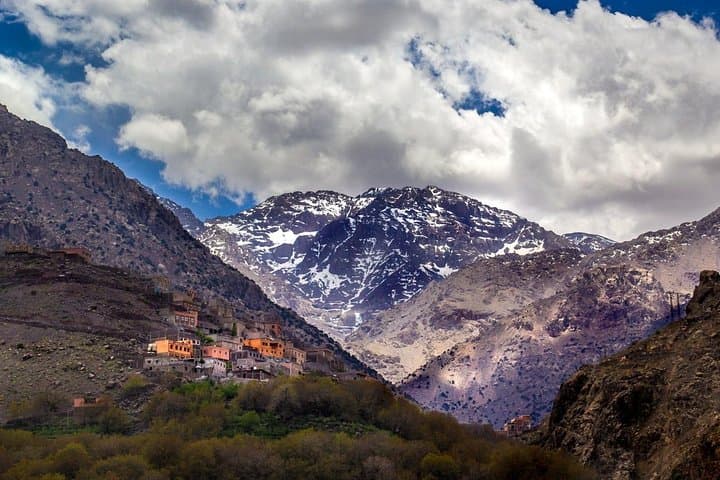
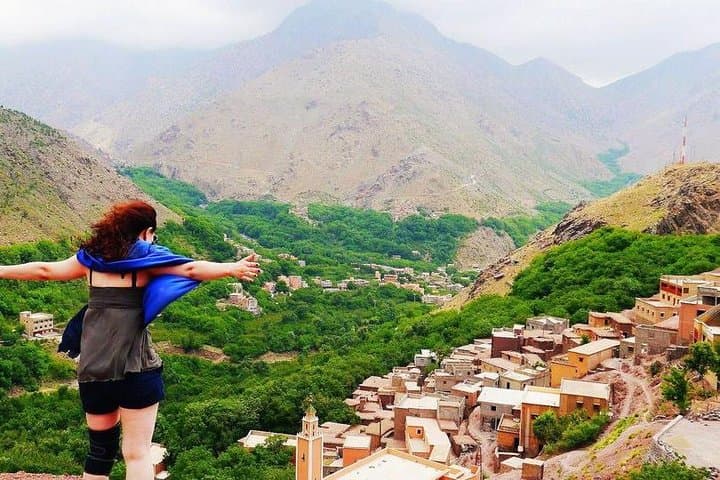
A road leaves Marrakech before dawn and climbs into the High Atlas; dust gives way to stone terraces and the air sharpens. In Imlil the village smells of wood smoke and mint tea. A guide meets you, mules shift, and children wave as the trail threads up and down narrow paths, passing the hamlets of Ait Souka, Targa and Imoula. Mount Toubkal looms to the south, a granite rampart that marks the high country.
Verified experiences and guided adventures in the surrounding area.
Operated by Marrakech Day Trips · Imlil, Marrakech-Safi
A road leaves Marrakech before dawn and climbs into the High Atlas; dust gives way to stone terraces and the air sharpens. In Imlil the village smells of wood smoke and mint tea. A guide meets you, mules shift, and children wave as the trail threads up and down narrow paths, passing the hamlets of Ait Souka, Targa and Imoula. Mount Toubkal looms to the south, a granite rampart that marks the high country.
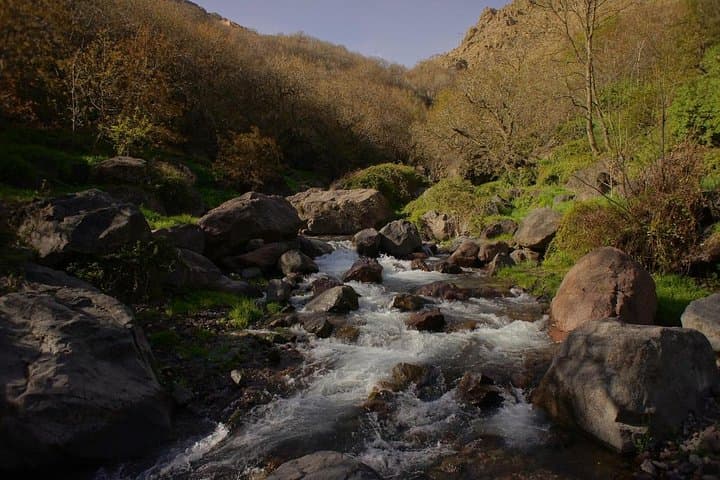
The High Atlas is young, tectonically uplifted rock cut by seasonal torrents. Generations of Amazigh (Berber) farmers shaped the slopes into irrigated terraces and planted walnut, almond and apple trees to tame the steep ground. Women’s cooperatives in lower valleys produce argan oil by traditional pressing; sharing a home-cooked lunch is as much cultural exchange as it is sustenance. Expect simple stone houses, communal courtyards and direct conversation about daily life.
Practical guidance: the guided walk is roughly three hours on uneven, sometimes rocky terrain—suitable for most walkers but not for those with serious back or heart issues. Wear sturdy footwear, sun protection and carry 1–2 liters of water; bring small bills for cooperative products and tips. Transfers from Marrakech are common—allow up to two hours each way depending on traffic. Optional mule rides are available if you prefer less walking. Follow your guide’s route, respect private homes, and pack out what you bring in to protect this sensitive mountain environment.
easy.
8–10 hours.
Able to walk 3 hours over uneven ground and manage short steep sections; suitable for most moderately active travelers.
The guided walking segment is about three hours total, spread around short stops in hamlets and viewpoints.
Yes — hotel pickup and drop-off are typically included; exact pickup time will be confirmed by the operator.
Yes, optional mule or camel rides are offered for portions of the route for those who prefer not to walk.
Yes, visits often include a women-run cooperative where you can buy argan products; bring cash for purchases.
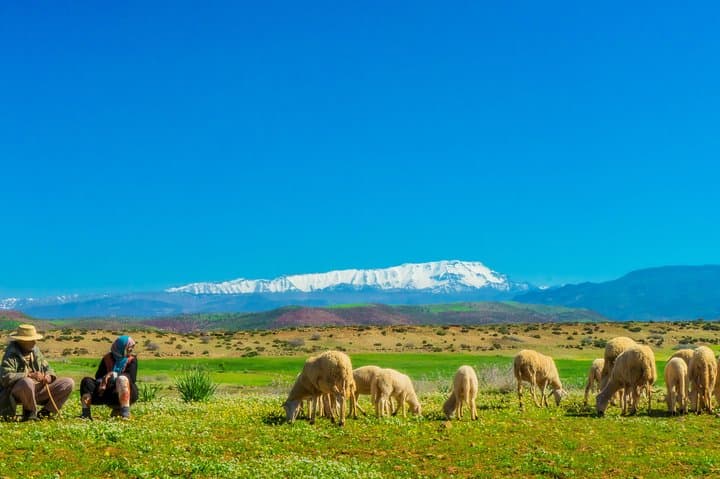
The High Atlas has long been home to Amazigh communities who developed terrace farming and transhumant grazing to adapt to steep, seasonal landscapes.
The mountain environment is fragile—support local cooperatives, stick to trails, and avoid buying products packaged in single-use plastics to reduce impact.
Marrakech Day Trips operates guided outdoor trips and adventures with an emphasis on safety, stewardship, and memorable experiences.
A road leaves Marrakech before dawn and climbs into the High Atlas; dust gives way to stone terraces and the air sharpens. In Imlil the village smells of wood smoke and mint tea. A guide meets you, mules shift, and children wave as the trail threads up and down narrow paths, passing the hamlets of Ait Souka, Targa and Imoula. Mount Toubkal looms to the south, a granite rampart that marks the high country.
A road leaves Marrakech before dawn and climbs into the High Atlas; dust gives way to stone terraces and the air sharpens. In Imlil the village smells of wood smoke and mint tea. A guide meets you, mules shift, and children wave as the trail threads up and down narrow paths, passing the hamlets of Ait Souka, Targa and Imoula. Mount Toubkal looms to the south, a granite rampart that marks the high country.
The High Atlas is young, tectonically uplifted rock cut by seasonal torrents. Generations of Amazigh (Berber) farmers shaped the slopes into irrigated terraces and planted walnut, almond and apple trees to tame the steep ground. Women’s cooperatives in lower valleys produce argan oil by traditional pressing; sharing a home-cooked lunch is as much cultural exchange as it is sustenance. Expect simple stone houses, communal courtyards and direct conversation about daily life.
Practical guidance: the guided walk is roughly three hours on uneven, sometimes rocky terrain—suitable for most walkers but not for those with serious back or heart issues. Wear sturdy footwear, sun protection and carry 1–2 liters of water; bring small bills for cooperative products and tips. Transfers from Marrakech are common—allow up to two hours each way depending on traffic. Optional mule rides are available if you prefer less walking. Follow your guide’s route, respect private homes, and pack out what you bring in to protect this sensitive mountain environment.