THE ADVENTURE COLLECTIVE® · Independent discovery and booking for outdoor travel

Spend a full day from Marrakech exploring Imlil and the lower slopes of the High Atlas. This guided visit blends short mountain walks, a cultural village tour, and a traditional lunch beneath the shadow of Mount Toubkal.
Spend a full day from Marrakech exploring Imlil and the lower slopes of the High Atlas. This guided visit blends short mountain walks, a cultural village tour, and a traditional lunch beneath the shadow of Mount Toubkal.
The morning air out of Marrakech tightens as the road climbs toward the High Atlas; windows frame dry red foothills that give way to green terraces. After roughly an hour you arrive in Imlil, a compact village at the head of a bowed valley beneath Mount Toubkal (4,167 m). Walnut trees and orchards soften the stone houses, and the first steps on the valley trail put you into a landscape that feels alive — the stream teases, the slopes call.
Verified experiences and guided adventures in the surrounding area.
Operated by Marrakech Tours · Imlil, Marrakesh-Safi
The morning air out of Marrakech tightens as the road climbs toward the High Atlas; windows frame dry red foothills that give way to green terraces. After roughly an hour you arrive in Imlil, a compact village at the head of a bowed valley beneath Mount Toubkal (4,167 m). Walnut trees and orchards soften the stone houses, and the first steps on the valley trail put you into a landscape that feels alive — the stream teases, the slopes call.
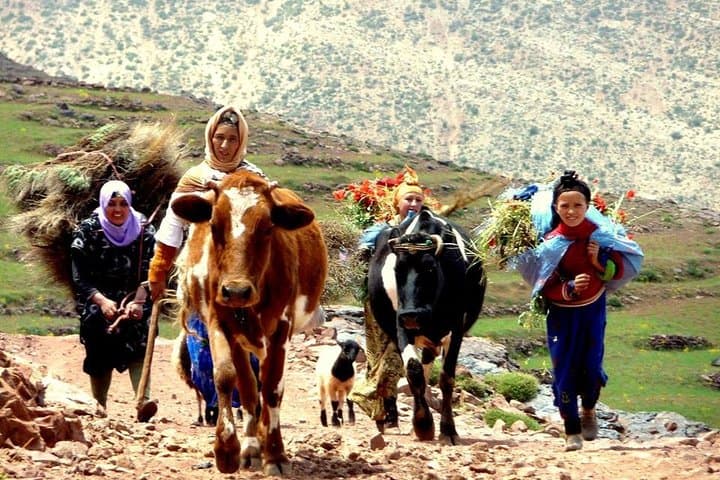
This region has been home to Amazigh (Berber) communities for centuries, their terraces and irrigation channels etched into volcanic and sedimentary slopes formed by the Atlas uplift. Culture here is practical and communal: mule trains move gear, local guesthouses serve mint tea, and small shrines mark springs where villages gather. In spring the valley blossoms with cherries and almonds; in fall the harvest shapes daily rhythms.
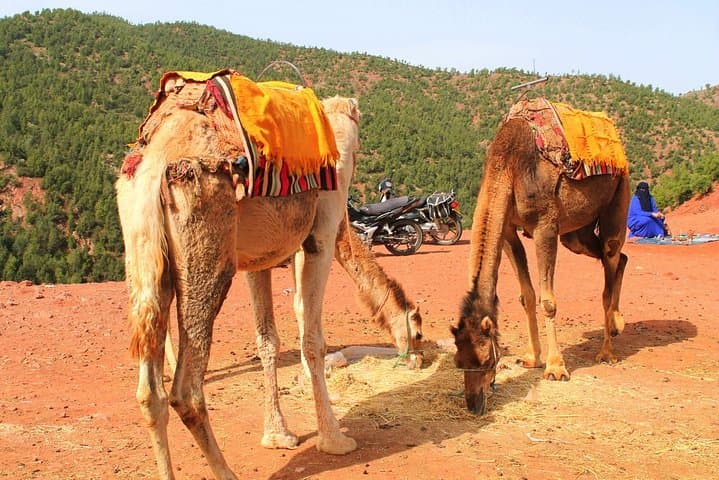
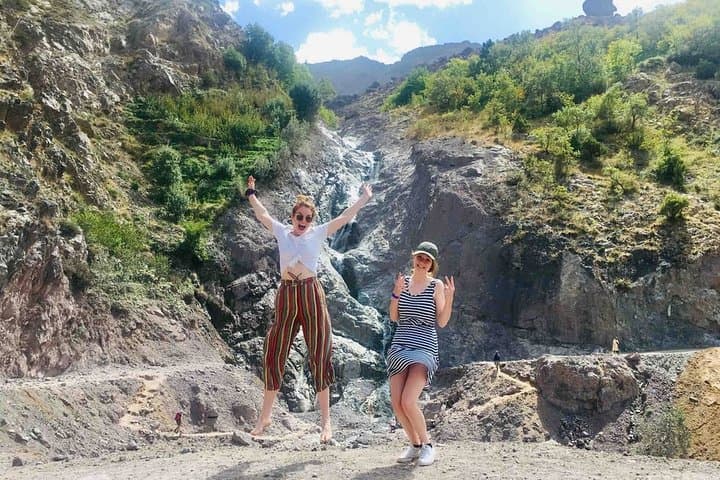
Expect well-marked footpaths, compacted dirt tracks, occasional rocky sections and short flights of terrace steps; the village sits around 1,700–1,800 m elevation, with day-walking routes that keep you below 2,200 m unless you push higher. The trip typically includes a guided village walk, a short mule or camel experience, and a village lunch.
Practical tips: wear sturdy hiking shoes, dress in layers (mountain temperatures swing), carry 2–3 L water and sun protection, and bring cash for small purchases and tipping. Start early to avoid midday heat and give yourself time to soak in the valleys — the day is equal parts cultural visit and manageable mountain walk.
easy.
7 hours.
Basic level of fitness: able to walk 2–4 miles on uneven ground and handle short ascents at moderate altitude.
The drive takes about 1–1.5 hours depending on traffic and road conditions, covering roughly 60–70 km through market towns.
Yes — the tour is described as physically easy and guided; paths are short and guides can adjust pace, though some steep sections may be challenging for limited mobility.
Yes — bring Moroccan dirham for small purchases, tips, or snacks as card acceptance is limited in villages.
Typical day-walks stay below about 2,200 m, which reduces altitude risk, but be aware of light-headedness and pace yourself; the guide can adapt the route.
The High Atlas has long been inhabited by Amazigh (Berber) communities who maintained terrace agriculture and trade routes across the range; Imlil evolved as a trailhead for Toubkal ascents.
Tourism is a major income source; support local guides, avoid single-use plastics, and stick to paths to limit erosion and protect fragile mountain resources.
Marrakech Tours operates guided outdoor trips and adventures with an emphasis on safety, stewardship, and memorable experiences.
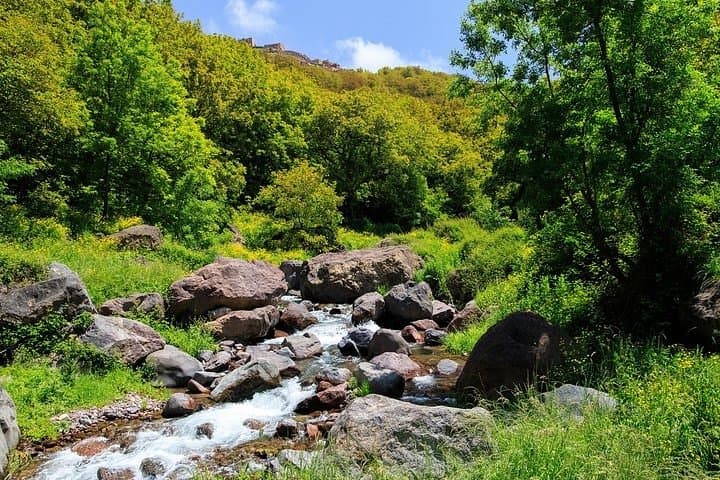
The morning air out of Marrakech tightens as the road climbs toward the High Atlas; windows frame dry red foothills that give way to green terraces. After roughly an hour you arrive in Imlil, a compact village at the head of a bowed valley beneath Mount Toubkal (4,167 m). Walnut trees and orchards soften the stone houses, and the first steps on the valley trail put you into a landscape that feels alive — the stream teases, the slopes call.
The morning air out of Marrakech tightens as the road climbs toward the High Atlas; windows frame dry red foothills that give way to green terraces. After roughly an hour you arrive in Imlil, a compact village at the head of a bowed valley beneath Mount Toubkal (4,167 m). Walnut trees and orchards soften the stone houses, and the first steps on the valley trail put you into a landscape that feels alive — the stream teases, the slopes call.
This region has been home to Amazigh (Berber) communities for centuries, their terraces and irrigation channels etched into volcanic and sedimentary slopes formed by the Atlas uplift. Culture here is practical and communal: mule trains move gear, local guesthouses serve mint tea, and small shrines mark springs where villages gather. In spring the valley blossoms with cherries and almonds; in fall the harvest shapes daily rhythms.
Expect well-marked footpaths, compacted dirt tracks, occasional rocky sections and short flights of terrace steps; the village sits around 1,700–1,800 m elevation, with day-walking routes that keep you below 2,200 m unless you push higher. The trip typically includes a guided village walk, a short mule or camel experience, and a village lunch.
Practical tips: wear sturdy hiking shoes, dress in layers (mountain temperatures swing), carry 2–3 L water and sun protection, and bring cash for small purchases and tipping. Start early to avoid midday heat and give yourself time to soak in the valleys — the day is equal parts cultural visit and manageable mountain walk.