THE ADVENTURE COLLECTIVE® · Independent discovery and booking for outdoor travel

Escape Marrakech for a full-day cultural and scenic tour to Imlil and the High Atlas. Visit an argan cooperative, ride a camel, explore Moulay Brahim Gorges and share lunch with a Berber family.
Escape Marrakech for a full-day cultural and scenic tour to Imlil and the High Atlas. Visit an argan cooperative, ride a camel, explore Moulay Brahim Gorges and share lunch with a Berber family.
You leave Marrakech at first light and the city gives way to olive and argan-studded hills. The road climbs into the High Atlas; windows frame volcanic ridges and terraced slopes that seem to rise like a stepped fortress. By mid-morning the village of Imlil appears — a cluster of stone houses below the serrated silhouette of Toubkal — and the mountain air sharpens the view.
Verified experiences and guided adventures in the surrounding area.
Operated by Atlas Mountains Guided Tour · Imlil, Marrakech-Safi
You leave Marrakech at first light and the city gives way to olive and argan-studded hills. The road climbs into the High Atlas; windows frame volcanic ridges and terraced slopes that seem to rise like a stepped fortress. By mid-morning the village of Imlil appears — a cluster of stone houses below the serrated silhouette of Toubkal — and the mountain air sharpens the view.
The High Atlas is a young, tectonic range carved by the collision of the African and Eurasian plates; rivers and seasonal snowpack gouge the valleys, feeding the waterfalls near Imlil. The valley is Berber country: Amazigh families still run small farms, tend goats, and gather argan nuts, and women’s cooperatives press the local oil that’s both culinary and cosmetic. Moulay Brahim’s gorges add dramatic geology, while Asni hosts a Saturday souk where cultural exchange feels immediate and practical.
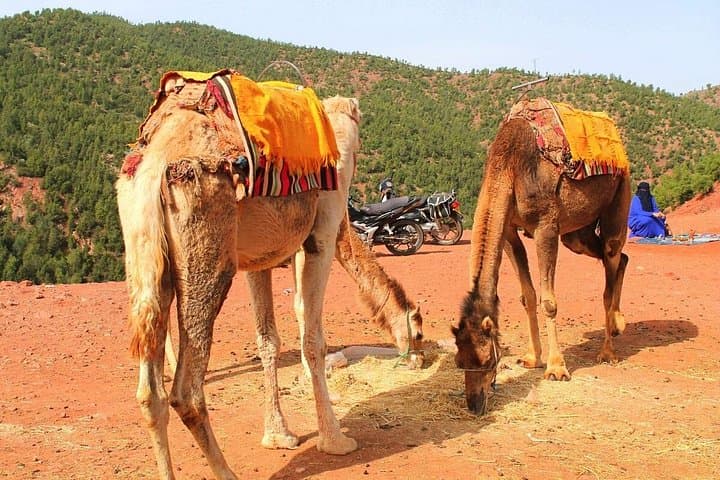
Practically, this is a full 7‑hour day with hotel pickup and drop-off in Marrakech. Expect light walking among rocky lanes, a short camel ride, and a home-cooked Moroccan lunch with a Berber family. Wear grippy shoes for uneven trails, layers for cooler mountain air, and bring cash for small purchases at cooperatives and the market. Hydrate before you set out and keep sunscreen handy — sun at altitude is strong. Guides are local and conversations reward respectful curiosity: ask about terrace agriculture, seasonal grazing, and argan production. The trip is less a summit push and more a cultural landscape walk — accessible but richly textured, connecting geology, food, and living tradition in one practical, scenic day.
moderate.
7 hours.
Suitable for travelers who can walk on uneven ground for short periods; not a technical hike but requires basic mobility.
This is a 7‑hour day trip from Marrakech with hotel pickup/drop-off, a local guide, a camel ride, a visit to an argan cooperative, and a Moroccan lunch with a Berber family.
The tour is family-friendly and rated easy to moderate; however, uneven village paths and short walks may be challenging for limited mobility—notify the operator when booking.
Most operators can accommodate common dietary needs if notified in advance; indicate restrictions when you book or at pickup.
No—visits are educational, but small purchases help local producers; bring cash for artisanal goods and market items.
The Atlas has been inhabited by Amazigh (Berber) communities for millennia; villages like Imlil developed around terrace farming and mountain trade routes.
Argan forests and mountain pastures are sensitive to overgrazing and tourism pressure—support local cooperatives and follow leave-no-trace practices.
Atlas Mountains Guided Tour operates guided outdoor trips and adventures with an emphasis on safety, stewardship, and memorable experiences.
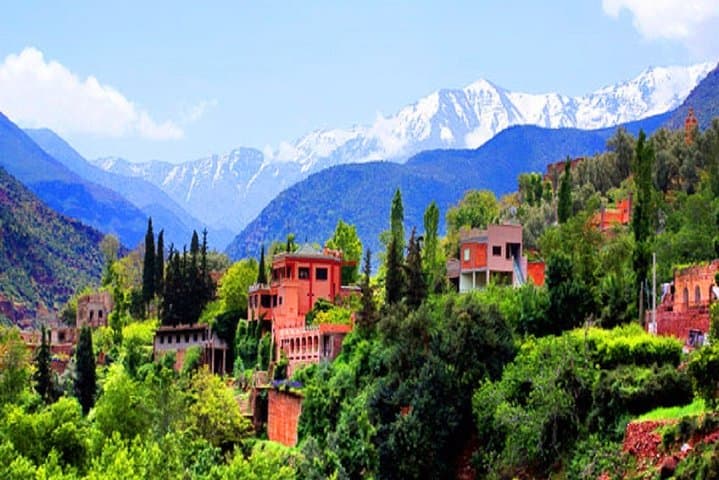
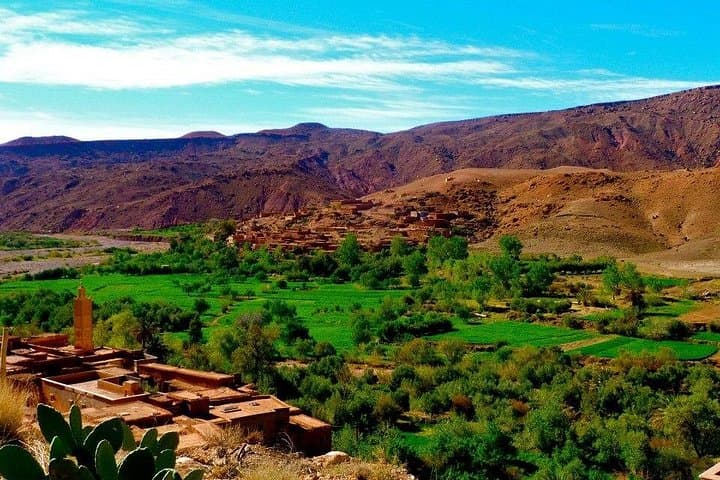
You leave Marrakech at first light and the city gives way to olive and argan-studded hills. The road climbs into the High Atlas; windows frame volcanic ridges and terraced slopes that seem to rise like a stepped fortress. By mid-morning the village of Imlil appears — a cluster of stone houses below the serrated silhouette of Toubkal — and the mountain air sharpens the view.
You leave Marrakech at first light and the city gives way to olive and argan-studded hills. The road climbs into the High Atlas; windows frame volcanic ridges and terraced slopes that seem to rise like a stepped fortress. By mid-morning the village of Imlil appears — a cluster of stone houses below the serrated silhouette of Toubkal — and the mountain air sharpens the view.
The High Atlas is a young, tectonic range carved by the collision of the African and Eurasian plates; rivers and seasonal snowpack gouge the valleys, feeding the waterfalls near Imlil. The valley is Berber country: Amazigh families still run small farms, tend goats, and gather argan nuts, and women’s cooperatives press the local oil that’s both culinary and cosmetic. Moulay Brahim’s gorges add dramatic geology, while Asni hosts a Saturday souk where cultural exchange feels immediate and practical.
Practically, this is a full 7‑hour day with hotel pickup and drop-off in Marrakech. Expect light walking among rocky lanes, a short camel ride, and a home-cooked Moroccan lunch with a Berber family. Wear grippy shoes for uneven trails, layers for cooler mountain air, and bring cash for small purchases at cooperatives and the market. Hydrate before you set out and keep sunscreen handy — sun at altitude is strong. Guides are local and conversations reward respectful curiosity: ask about terrace agriculture, seasonal grazing, and argan production. The trip is less a summit push and more a cultural landscape walk — accessible but richly textured, connecting geology, food, and living tradition in one practical, scenic day.