THE ADVENTURE COLLECTIVE® · Independent discovery and booking for outdoor travel

Spend a day trading Marrakech’s bustle for mountain air: buy produce at a weekly market, hike to a local spring, then learn traditional tajine, bread and mint tea from a Berber family. This cultural day trip pairs hands-on cooking with gentle valley walks and local insights.
Spend a day trading Marrakech’s bustle for mountain air: buy produce at a weekly market, hike to a local spring, then learn traditional tajine, bread and mint tea from a Berber family. This cultural day trip pairs hands-on cooking with gentle valley walks and local insights.
You step out of Marrakech’s dust and into a green slit of valley where the air smells of citrus and wood smoke. Mornings here move at the pace of markets: spice sellers calling, women bargaining over tomatoes and dried legumes, and the occasional shepherd guiding goats along terraced fields. This day trip follows that rhythm — a market visit, a short walk to a village spring, and an afternoon learning to make bread, tajine, and mint tea with a Berber family.
Verified experiences and guided adventures in the surrounding area.
Operated by Caravane Du Grand Erg · Marrakech, Marrakesh-Safi
You step out of Marrakech’s dust and into a green slit of valley where the air smells of citrus and wood smoke. Mornings here move at the pace of markets: spice sellers calling, women bargaining over tomatoes and dried legumes, and the occasional shepherd guiding goats along terraced fields. This day trip follows that rhythm — a market visit, a short walk to a village spring, and an afternoon learning to make bread, tajine, and mint tea with a Berber family.
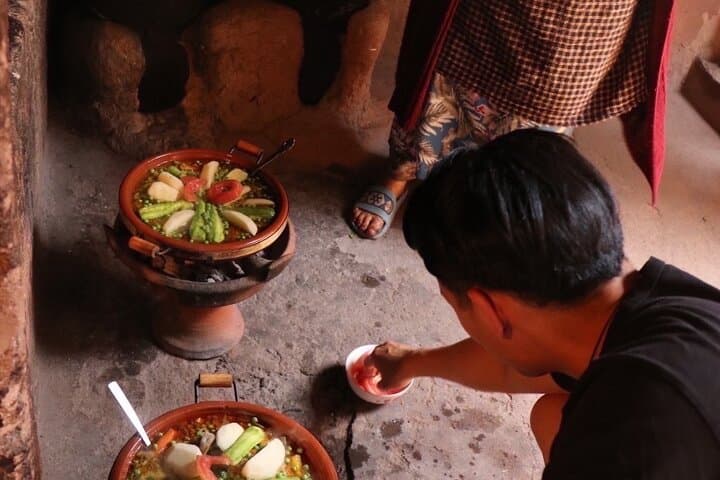
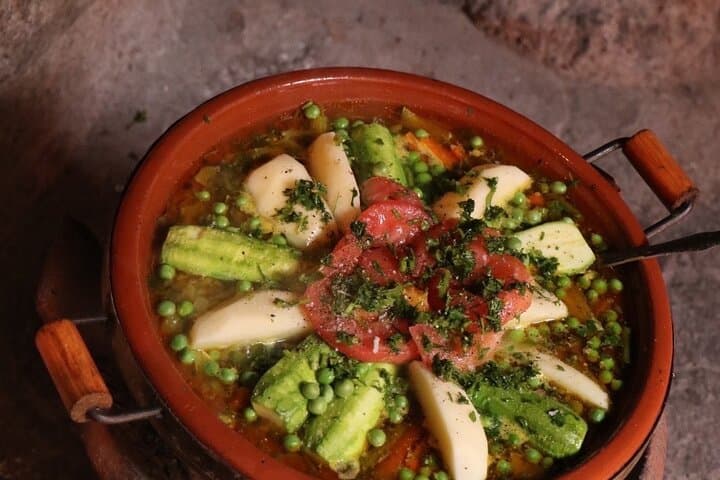
The Atlas foothills have held Amazigh (Berber) communities for millennia; their food blends North African, Arab, Jewish and Mediterranean influences and uses irrigation-fed vegetable plots carved into volcanic soils. Potters still shape clay for tajines; earthen ovens and charcoal braziers (majmar) cook slow, layered flavors.
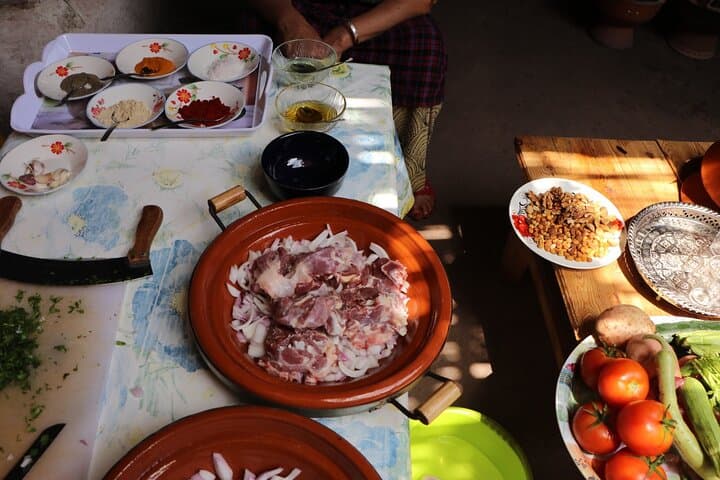
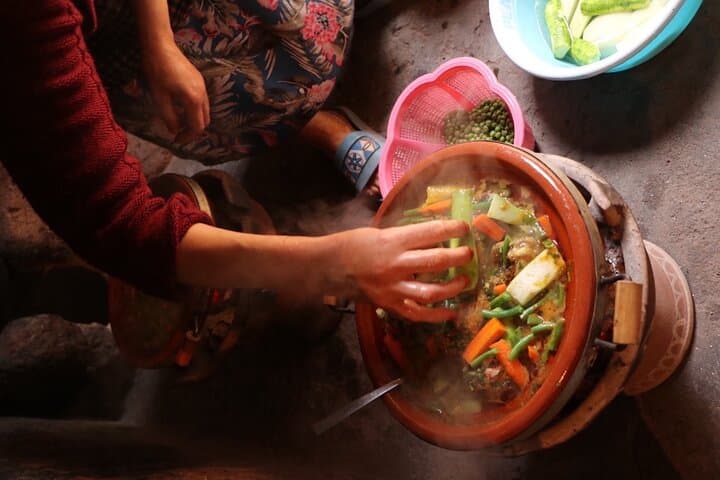
Expect tactile lessons — pounding spices, shaping flatbreads, and tending a coals-fed tajine — plus a chance to hike along the oued to a clear spring used by locals for generations. The setting is cultural and low-impact: village courtyards, women's cooperatives selling argan or herbal oils, and simple mountain trails.
Practical guidance: the full excursion is 6–8 hours with a 1–2 mile easy walk on uneven ground; wear closed shoes and bring water and cash for small purchases. If you want photos of village craft or the spring, arrive with charged batteries and a polite request first. The trip is family-friendly and suitable for most fitness levels, offering hands-on technique you can reproduce at home and stories you won’t get from a cookbook.
easy.
6–8 hours.
Suitable for most people who can manage short walks on uneven terrain and stand for cooking tasks.
Yes — most operators include round-trip pickup and drop-off from central Marrakech hotels; confirm your pickup time when booking.
Yes — menus are adaptable; inform the operator of dietary restrictions in advance so the family can plan ingredients.
Expect 1–2 miles of easy walking on uneven village paths and a short riverside trail to the spring; terrain is not technical.
An English-speaking driver/guide typically accompanies the trip and assists with translation during the class.
Amazigh (Berber) communities have farmed these foothills for centuries; local recipes reflect Berber, Arab, Jewish and Mediterranean trade influences.
Water is a precious resource in the Atlas foothills—pack out waste, buy from local cooperatives, and support low-impact tours to help preserve village livelihoods.
Caravane Du Grand Erg operates guided outdoor trips and adventures with an emphasis on safety, stewardship, and memorable experiences.
You step out of Marrakech’s dust and into a green slit of valley where the air smells of citrus and wood smoke. Mornings here move at the pace of markets: spice sellers calling, women bargaining over tomatoes and dried legumes, and the occasional shepherd guiding goats along terraced fields. This day trip follows that rhythm — a market visit, a short walk to a village spring, and an afternoon learning to make bread, tajine, and mint tea with a Berber family.
You step out of Marrakech’s dust and into a green slit of valley where the air smells of citrus and wood smoke. Mornings here move at the pace of markets: spice sellers calling, women bargaining over tomatoes and dried legumes, and the occasional shepherd guiding goats along terraced fields. This day trip follows that rhythm — a market visit, a short walk to a village spring, and an afternoon learning to make bread, tajine, and mint tea with a Berber family.
The Atlas foothills have held Amazigh (Berber) communities for millennia; their food blends North African, Arab, Jewish and Mediterranean influences and uses irrigation-fed vegetable plots carved into volcanic soils. Potters still shape clay for tajines; earthen ovens and charcoal braziers (majmar) cook slow, layered flavors.
Expect tactile lessons — pounding spices, shaping flatbreads, and tending a coals-fed tajine — plus a chance to hike along the oued to a clear spring used by locals for generations. The setting is cultural and low-impact: village courtyards, women's cooperatives selling argan or herbal oils, and simple mountain trails.
Practical guidance: the full excursion is 6–8 hours with a 1–2 mile easy walk on uneven ground; wear closed shoes and bring water and cash for small purchases. If you want photos of village craft or the spring, arrive with charged batteries and a polite request first. The trip is family-friendly and suitable for most fitness levels, offering hands-on technique you can reproduce at home and stories you won’t get from a cookbook.