THE ADVENTURE COLLECTIVE® · Independent discovery and booking for outdoor travel

Explore Berat’s hilltop citadel, the ancient ruins of Apollonia and the Monastery of Ardenica in one day. This guided route blends Ottoman architecture, Greek archaeology and quiet monastic history with practical tips for a full eight-hour loop.
Explore Berat’s hilltop citadel, the ancient ruins of Apollonia and the Monastery of Ardenica in one day. This guided route blends Ottoman architecture, Greek archaeology and quiet monastic history with practical tips for a full eight-hour loop.
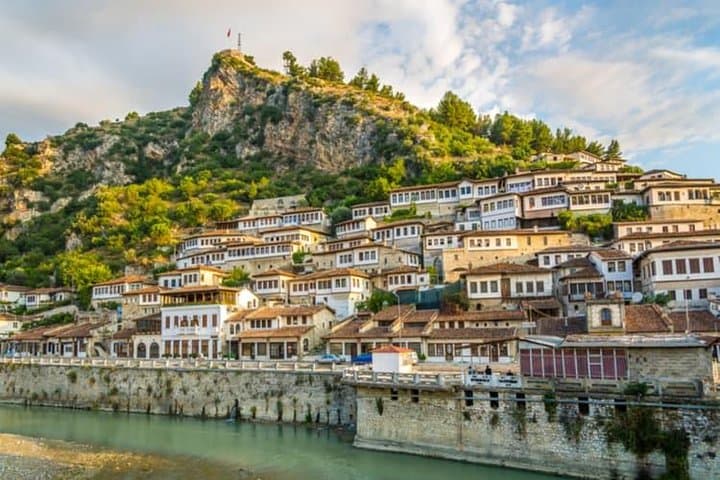
A morning on the road from the Albanian coast unfolds with a slow reveal: white Ottoman houses clinging to a steep hill, terraced vineyards slipping into the plain, and the low ruins of a Greek city sitting on a limestone ridge.
Verified experiences and guided adventures in the surrounding area.
Operated by Trips Albania · Berat, Berat County
A morning on the road from the Albanian coast unfolds with a slow reveal: white Ottoman houses clinging to a steep hill, terraced vineyards slipping into the plain, and the low ruins of a Greek city sitting on a limestone ridge.
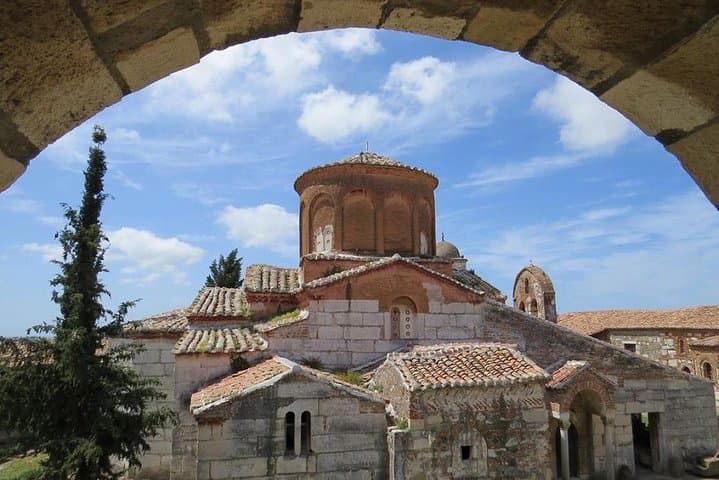
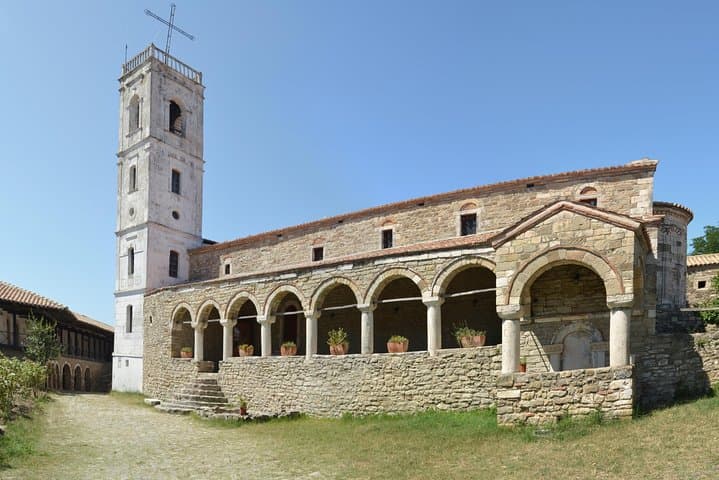
This full-day loop visits Berat's hilltop citadel — where cobbled lanes, churches and Ottoman houses (the Mangalem and Gorica quarters) reflect centuries of Byzantine and Ottoman rule — then moves west to Apollonia, the Greek colony founded in the 6th century BC, and finishes at the Monastery of Ardenica, a centuries-old religious site long woven into local tradition. Geologically the route crosses the karst edges of the inland hills and the softer alluvial plains leading toward the Adriatic; you’ll notice quarried limestone blocks and terraces carved to hold olives and vines.
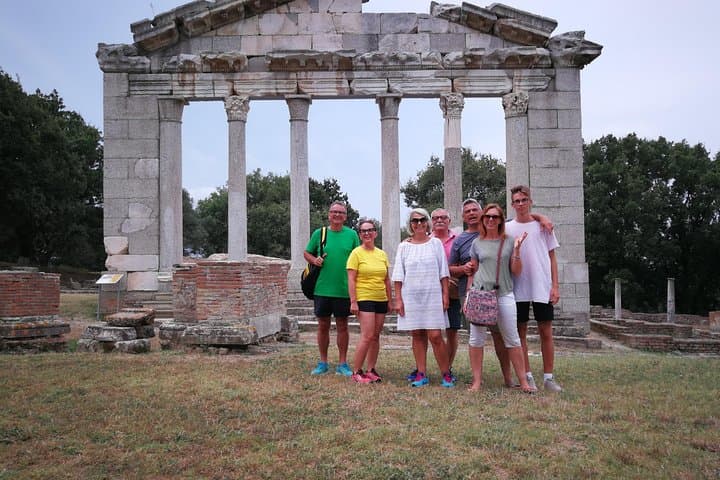
Culturally, the day pairs tangible archaeology with living village life: stone mosques and Orthodox frescoes, small family-run shops and roadside stands selling local cheese and raki. Tradition holds Ardenica as the site of a notable 15th-century marriage linked to Albanian national history, and Apollonia offers standing columns, a Roman library footprint and a quiet theater to imagine ancient civic life.
Practical guidance: this is an easy-paced, 8‑hour tour with moderate walking on uneven surfaces, short stair climbs in the citadel and flat walks through archaeological paths. Bring sturdy walking shoes, sun protection and water; mornings are cooler and best for the heavy ruins, while afternoons suit the monastery visit. Respect restricted areas at archaeological sites and keep voices low in religious spaces.
easy.
8 hours.
Suitable for people with average fitness; involves several short walks and stair sections but no sustained climbs
The itinerary is approximately 8 hours (full day), covering Berat Castle, Apollonia Archaeological Park and the Monastery of Ardenica.
The tour description lists museum tickets and some admissions included—confirm with the operator which specific sites are covered before booking.
Yes; the tour is rated physically easy, but note there are uneven surfaces and stairs at the citadel which may be challenging for limited-mobility visitors.
Bottled water and snacks are typically included; a full lunch may not be provided—plan for a meal stop or bring additional provisions if preferred.
Apollonia was a Greek colony founded in the 6th century BC that later became a Roman administrative center; Berat’s historic quarters reflect long Ottoman-era urban development, and Ardenica monastery dates to the medieval period and features notable frescoes.
Archaeological sites are protected; visitors should stay on designated paths, avoid touching ruins or frescoes, and support local preservation by following guide instructions.
Trips Albania operates guided outdoor trips and adventures with an emphasis on safety, stewardship, and memorable experiences.
A morning on the road from the Albanian coast unfolds with a slow reveal: white Ottoman houses clinging to a steep hill, terraced vineyards slipping into the plain, and the low ruins of a Greek city sitting on a limestone ridge.
A morning on the road from the Albanian coast unfolds with a slow reveal: white Ottoman houses clinging to a steep hill, terraced vineyards slipping into the plain, and the low ruins of a Greek city sitting on a limestone ridge.
This full-day loop visits Berat's hilltop citadel — where cobbled lanes, churches and Ottoman houses (the Mangalem and Gorica quarters) reflect centuries of Byzantine and Ottoman rule — then moves west to Apollonia, the Greek colony founded in the 6th century BC, and finishes at the Monastery of Ardenica, a centuries-old religious site long woven into local tradition. Geologically the route crosses the karst edges of the inland hills and the softer alluvial plains leading toward the Adriatic; you’ll notice quarried limestone blocks and terraces carved to hold olives and vines.
Culturally, the day pairs tangible archaeology with living village life: stone mosques and Orthodox frescoes, small family-run shops and roadside stands selling local cheese and raki. Tradition holds Ardenica as the site of a notable 15th-century marriage linked to Albanian national history, and Apollonia offers standing columns, a Roman library footprint and a quiet theater to imagine ancient civic life.
Practical guidance: this is an easy-paced, 8‑hour tour with moderate walking on uneven surfaces, short stair climbs in the citadel and flat walks through archaeological paths. Bring sturdy walking shoes, sun protection and water; mornings are cooler and best for the heavy ruins, while afternoons suit the monastery visit. Respect restricted areas at archaeological sites and keep voices low in religious spaces.