THE ADVENTURE COLLECTIVE® · Independent discovery and booking for outdoor travel

Spend a full day exploring Lebanon’s Beqaa Valley: wide avenues and fortified ruins at Anjar, the monumental temples of Baalbeck, and wine tasting at Château Ksara. This practical guide outlines what to expect, how to prepare, and the best time to visit.
Spend a full day exploring Lebanon’s Beqaa Valley: wide avenues and fortified ruins at Anjar, the monumental temples of Baalbeck, and wine tasting at Château Ksara. This practical guide outlines what to expect, how to prepare, and the best time to visit.
A morning in the Beqaa Valley begins with a low, dry wind that pushes you across wide fields toward stone — the ruined streets of Anjar arriving like a living map beneath your feet.
Verified experiences and guided adventures in the surrounding area.
Operated by Lebanon Tours Online By Fadi Eid · Baalbek, Beqaa Governorate
A morning in the Beqaa Valley begins with a low, dry wind that pushes you across wide fields toward stone — the ruined streets of Anjar arriving like a living map beneath your feet.
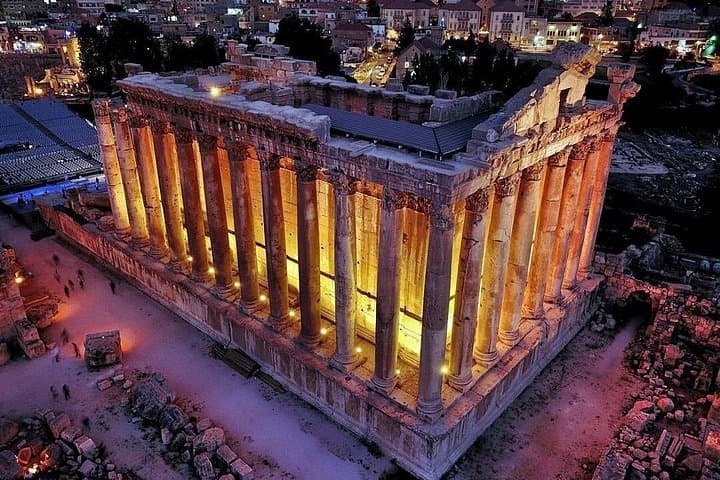
Walk the broad Roman‑era avenues between sunbaked walls at Anjar, where Umayyad planning and later reuse left a compelling grid of mosques, baths and storerooms. Move east and the landscape tightens; Baalbeck’s temple podiums rise out of the plain, columns bearing the weight of centuries and of empires. The limestone beneath your feet is older than the empires above it, folded by tectonics that shaped the Bekaa rift and fed the valley’s soil.
Culturally, this route threads Phoenician trade corridors, Roman urbanism and Ottoman and French influences — and ends at Château Ksara, where 19th‑century Jesuit cellar techniques met local tradition to produce Lebanon’s modern wines. The valley’s vines lean into mountain breezes; the land feels purposeful, offering fruit and history in equal measure.
Practical guidance: expect an 8–9 hour day with road transfers, paved site paths and some uneven stone surfaces at ruins. Carry water, sun protection and comfortable walking shoes; bring cash for small vendors and a camera with extra battery. Midday heat can be intense in summer, so schedule temple visits for cooler morning hours and save the winery tour for late afternoon.
This is a travel day that balances archaeology and agronomy — a compact lesson in how landscape, labor and history keep reshaping a single valley.
easy.
8–9 hours.
Suitable for most fitness levels; requires the ability to walk 1–3 miles across uneven terrain and climb short stone steps.
The excursion runs about 8–9 hours including transfers from Beirut, site visits and the winery stop.
Admission policies vary by operator; confirm whether archaeological site fees are covered when booking.
Yes — the itinerary is described as easy; expect moderate walking and limited climbing of stone steps.
Wineries can accept walk-ins but booking ahead guarantees a guided cellar tour and tasting slot, especially in high season.
Anjar was founded in the 8th century CE as an Umayyad palace city, while Baalbeck was a major Roman sanctuary built atop earlier Phoenician and Hellenistic temples.
Archaeological conservation is ongoing; visitors should stick to marked paths and avoid climbing on preserved columns to limit erosion and damage.
Lebanon Tours Online By Fadi Eid operates guided outdoor trips and adventures with an emphasis on safety, stewardship, and memorable experiences.


A morning in the Beqaa Valley begins with a low, dry wind that pushes you across wide fields toward stone — the ruined streets of Anjar arriving like a living map beneath your feet.
A morning in the Beqaa Valley begins with a low, dry wind that pushes you across wide fields toward stone — the ruined streets of Anjar arriving like a living map beneath your feet.
Walk the broad Roman‑era avenues between sunbaked walls at Anjar, where Umayyad planning and later reuse left a compelling grid of mosques, baths and storerooms. Move east and the landscape tightens; Baalbeck’s temple podiums rise out of the plain, columns bearing the weight of centuries and of empires. The limestone beneath your feet is older than the empires above it, folded by tectonics that shaped the Bekaa rift and fed the valley’s soil.
Culturally, this route threads Phoenician trade corridors, Roman urbanism and Ottoman and French influences — and ends at Château Ksara, where 19th‑century Jesuit cellar techniques met local tradition to produce Lebanon’s modern wines. The valley’s vines lean into mountain breezes; the land feels purposeful, offering fruit and history in equal measure.
Practical guidance: expect an 8–9 hour day with road transfers, paved site paths and some uneven stone surfaces at ruins. Carry water, sun protection and comfortable walking shoes; bring cash for small vendors and a camera with extra battery. Midday heat can be intense in summer, so schedule temple visits for cooler morning hours and save the winery tour for late afternoon.
This is a travel day that balances archaeology and agronomy — a compact lesson in how landscape, labor and history keep reshaping a single valley.