THE ADVENTURE COLLECTIVE® · Independent discovery and booking for outdoor travel

In Kannawa the earth shows itself: cobalt pools, steaming vents and neighbourhood footbaths shape a kinetic half-day tour through Beppu’s most dramatic onsen sites. Expect boardwalks, local snacks and short walks between iconic ‘hells.’
In Kannawa the earth shows itself: cobalt pools, steaming vents and neighbourhood footbaths shape a kinetic half-day tour through Beppu’s most dramatic onsen sites. Expect boardwalks, local snacks and short walks between iconic ‘hells.’
Steam rises in columns from pavement cracks as you step into Kannawa — the compact, theatrical quarter of Beppu where geothermal forces are visible at eye level.
Verified experiences and guided adventures in the surrounding area.
Operated by Space Beppu · Beppu, Oita Prefecture
Steam rises in columns from pavement cracks as you step into Kannawa — the compact, theatrical quarter of Beppu where geothermal forces are visible at eye level.
Start at Umi Jigoku, an impossible aqua pool that ferries your gaze into the earth’s heat, then move to Oniishibozu, a churned-mud spring whose bubbling craters look alive. The tour eases between hot-spring overlooks and narrow streets lined with ryokan doors, small vendors and scent of steamed vegetables; local shops and quiet alleys reveal the town’s working onsen culture rather than just postcard views.
Geologically, Beppu sits on an active volcanic zone: groundwater heated by shallow magma creates the variety of thermal displays called jigoku, used historically for cooking and therapeutic bathing. Culturally, Kannawa preserves onsen etiquette and small-scale commerce — think jigoku-mushi lunches and family-run bathhouses.
Practical guidance: this half-day route is mostly paved walking with short stair sections and boardwalks around springs. Footbaths at several sites let you sample mineral waters without full bathing. Bring cash for entry fees and steamed snacks, wear nonslip shoes, and allow three hours for a relaxed pace that includes shop stops. If you’re sensitive to heat, keep distance from vents and follow posted barriers.
This tour is ideal for travelers who want a concentrated, sensory intro to Beppu’s geothermal theatrics and local hospitality — a brisk, sensory-rich slice of Kyushu’s onsen life that’s easy to fit into a single morning or afternoon.
moderate.
3 hours.
Moderate fitness: able to walk on paved and stepped surfaces for a few hours with short standing periods
No—most jigoku are too hot for bathing; several sites offer footbaths or separate public onsen for bathing instead.
The tour is about three hours and includes mostly short, paved walks and some stairs; it’s suitable for people comfortable with moderate walking.
Yes—public buses and short taxi rides connect Beppu Station with the Kannawa district; many tours include guidance on transit options.
Admission fees are typically included for the listed jigoku sites, but meals are usually optional—jigoku-mushi (steam-cooked) lunches are a local specialty to try at extra cost.
Beppu grew around abundant geothermal resources; jigoku were historically practical sites for steam-cooking and salt production before becoming tourist attractions.
Stay on boardwalks and behind barriers to protect fragile geothermal features; avoid discarding waste and limit water use in local onsen to support sustainable tourism.
Space Beppu operates guided outdoor trips and adventures with an emphasis on safety, stewardship, and memorable experiences.

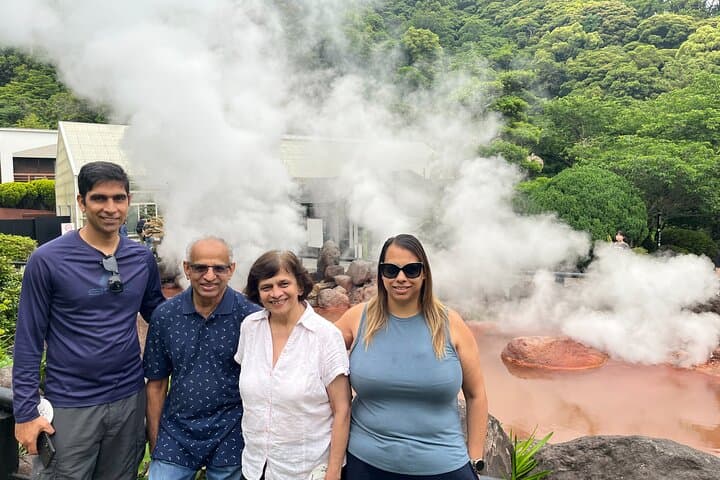

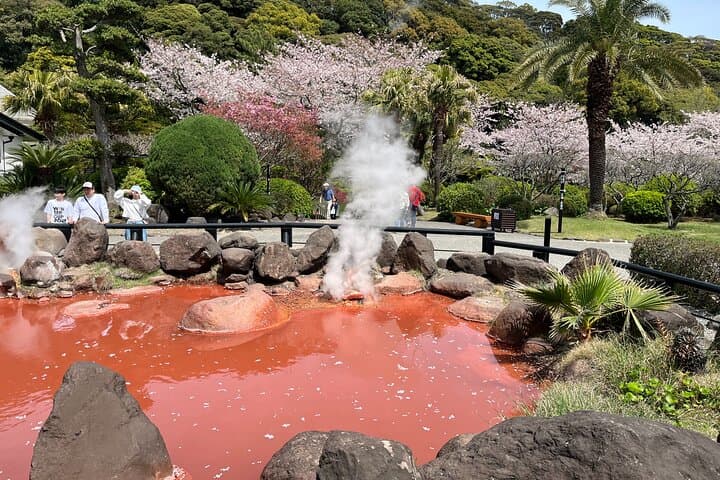
Steam rises in columns from pavement cracks as you step into Kannawa — the compact, theatrical quarter of Beppu where geothermal forces are visible at eye level.
Steam rises in columns from pavement cracks as you step into Kannawa — the compact, theatrical quarter of Beppu where geothermal forces are visible at eye level.
Start at Umi Jigoku, an impossible aqua pool that ferries your gaze into the earth’s heat, then move to Oniishibozu, a churned-mud spring whose bubbling craters look alive. The tour eases between hot-spring overlooks and narrow streets lined with ryokan doors, small vendors and scent of steamed vegetables; local shops and quiet alleys reveal the town’s working onsen culture rather than just postcard views.
Geologically, Beppu sits on an active volcanic zone: groundwater heated by shallow magma creates the variety of thermal displays called jigoku, used historically for cooking and therapeutic bathing. Culturally, Kannawa preserves onsen etiquette and small-scale commerce — think jigoku-mushi lunches and family-run bathhouses.
Practical guidance: this half-day route is mostly paved walking with short stair sections and boardwalks around springs. Footbaths at several sites let you sample mineral waters without full bathing. Bring cash for entry fees and steamed snacks, wear nonslip shoes, and allow three hours for a relaxed pace that includes shop stops. If you’re sensitive to heat, keep distance from vents and follow posted barriers.
This tour is ideal for travelers who want a concentrated, sensory intro to Beppu’s geothermal theatrics and local hospitality — a brisk, sensory-rich slice of Kyushu’s onsen life that’s easy to fit into a single morning or afternoon.