THE ADVENTURE COLLECTIVE® · Independent discovery and booking for outdoor travel

Step onto the stone steps of Geumjeongsan for a half-day tour that pairs Beomeosa’s thousand-year history with Hongbeopsa’s observatory and a temple-style bibimbap lunch. Expect stone stairways, quiet courtyards and a stop at one of Busan’s large flower markets.
Step onto the stone steps of Geumjeongsan for a half-day tour that pairs Beomeosa’s thousand-year history with Hongbeopsa’s observatory and a temple-style bibimbap lunch. Expect stone stairways, quiet courtyards and a stop at one of Busan’s large flower markets.
Morning light filters through the pines on Geumjeongsan as visitors step from the bus and follow stone steps toward a thousand-year-old gate. The air here smells of damp cedar and incense; the mountain seems to lean in, urging a slower pace. Beomeosa’s main halls sit against carved rock, while smaller hermitages cling to terraces above, and Hongbeopsa rewards the climb with a broad view and a large Amitabha Buddha that watches the valley.
Verified experiences and guided adventures in the surrounding area.
Operated by Dorawayo experience activity · Busan, Busan
Morning light filters through the pines on Geumjeongsan as visitors step from the bus and follow stone steps toward a thousand-year-old gate. The air here smells of damp cedar and incense; the mountain seems to lean in, urging a slower pace. Beomeosa’s main halls sit against carved rock, while smaller hermitages cling to terraces above, and Hongbeopsa rewards the climb with a broad view and a large Amitabha Buddha that watches the valley.
Beomeosa dates back over a millennium and played roles as a regional Buddhist center and a refuge during conflicts. The temple architecture uses layered wooden joinery and tiled roofs typical of Korean temple design; the surrounding geology—steep granite slopes and stream-cut gullies—shapes paths and viewpoints. Along the route visitors encounter temple food culture: a simple, balanced bibimbap lunch served at midday that reflects monastic emphasis on seasonal vegetables and restraint.
Expect a mix of paved courtyards, stone steps, and short uphill trails; some sections are uneven. The itinerary pairs contemplative shrine visits with a stop at one of Busan’s large flower markets, where vendors sell seasonal blossoms and potted plants—useful for understanding local horticulture.
Practical guidance: wear supportive shoes and modest clothing (shoulders and knees covered), carry water and a hat for sun or drizzle, and allow about 3–4 hours including transit. Photography is often allowed outside main sanctuaries but follow signs inside prayer halls. Move quietly, leave no trace, and be ready to trade city noise for the deliberate, deliberate rhythm of mountain temple life.
moderate.
3–4 hours.
Comfortable with walking on stairs and uneven ground; light uphill requires moderate fitness.
This tour visits the temple grounds and hermitages; standard grounds access is usually free but specific indoor halls may request donations—verify with the local guide.
Temple-provided bibimbap follows monastic practice—largely vegetable-based and mild; ask the operator about strict vegan needs in advance.
Moderate fitness is recommended; families with children or older adults should be prepared for stairs and some uphill walking and may join at their own pace.
Photography is generally allowed in outdoor areas and courtyards; inside prayer halls, follow posted signs and respect worshipers by avoiding flash and loud behavior.
Beomeosa was founded in the 7th century and has long served as a regional Buddhist center; Hongbeopsa was established later on donated land and features a large Amitabha statue.
Stick to designated paths, avoid feeding wildlife, and carry out any trash; temples and local groups emphasize respect for cultural sites and surrounding forest.
Dorawayo experience activity operates guided outdoor trips and adventures with an emphasis on safety, stewardship, and memorable experiences.
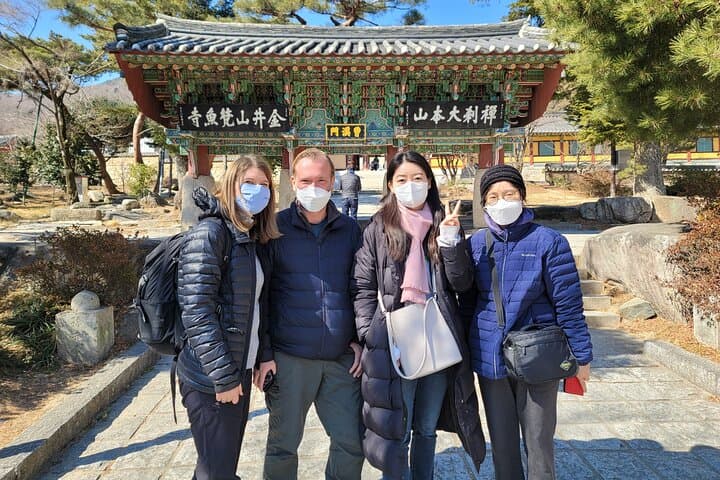
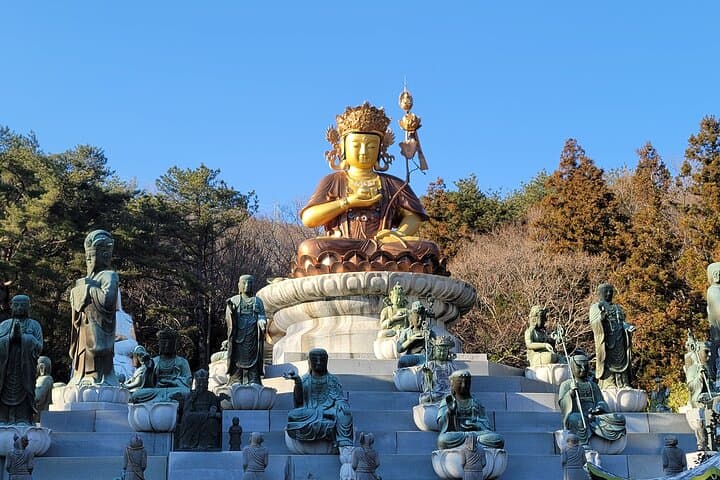
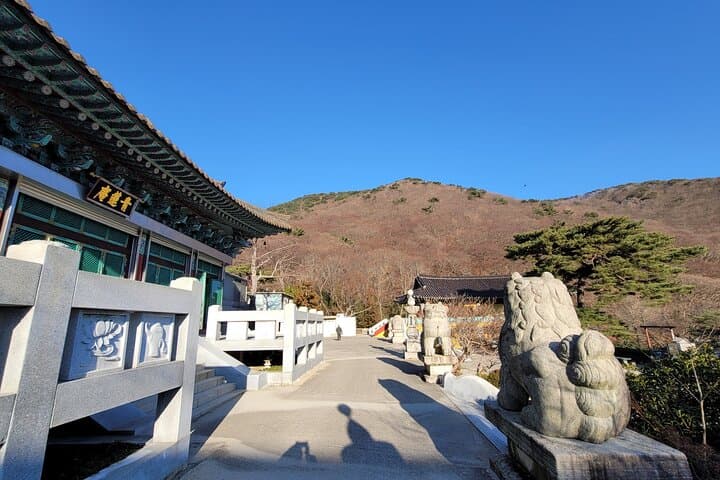
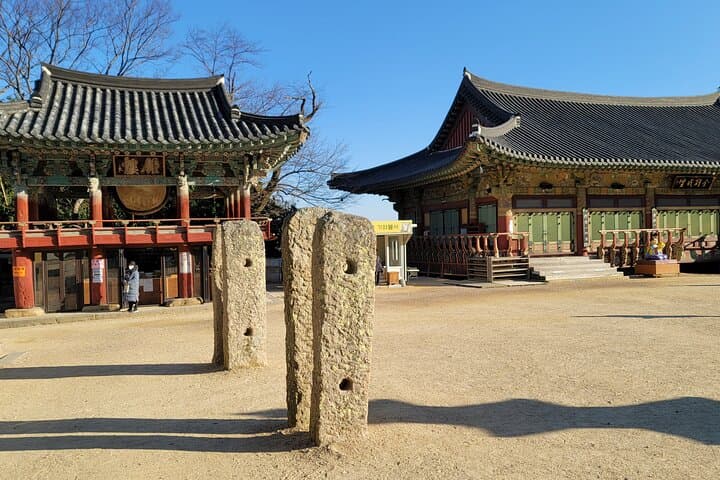
Morning light filters through the pines on Geumjeongsan as visitors step from the bus and follow stone steps toward a thousand-year-old gate. The air here smells of damp cedar and incense; the mountain seems to lean in, urging a slower pace. Beomeosa’s main halls sit against carved rock, while smaller hermitages cling to terraces above, and Hongbeopsa rewards the climb with a broad view and a large Amitabha Buddha that watches the valley.
Morning light filters through the pines on Geumjeongsan as visitors step from the bus and follow stone steps toward a thousand-year-old gate. The air here smells of damp cedar and incense; the mountain seems to lean in, urging a slower pace. Beomeosa’s main halls sit against carved rock, while smaller hermitages cling to terraces above, and Hongbeopsa rewards the climb with a broad view and a large Amitabha Buddha that watches the valley.
Beomeosa dates back over a millennium and played roles as a regional Buddhist center and a refuge during conflicts. The temple architecture uses layered wooden joinery and tiled roofs typical of Korean temple design; the surrounding geology—steep granite slopes and stream-cut gullies—shapes paths and viewpoints. Along the route visitors encounter temple food culture: a simple, balanced bibimbap lunch served at midday that reflects monastic emphasis on seasonal vegetables and restraint.
Expect a mix of paved courtyards, stone steps, and short uphill trails; some sections are uneven. The itinerary pairs contemplative shrine visits with a stop at one of Busan’s large flower markets, where vendors sell seasonal blossoms and potted plants—useful for understanding local horticulture.
Practical guidance: wear supportive shoes and modest clothing (shoulders and knees covered), carry water and a hat for sun or drizzle, and allow about 3–4 hours including transit. Photography is often allowed outside main sanctuaries but follow signs inside prayer halls. Move quietly, leave no trace, and be ready to trade city noise for the deliberate, deliberate rhythm of mountain temple life.