THE ADVENTURE COLLECTIVE® · Independent discovery and booking for outdoor travel

Spend a full day exploring southern Sri Lanka by private car and boat — from Kande Vihara's giant Buddha to Kosgoda's turtle hatchery, a Madu River cruise, moonstone mining, and a walk through Galle's Dutch Fort. Practical notes for a long, low‑impact coastal day.
Spend a full day exploring southern Sri Lanka by private car and boat — from Kande Vihara's giant Buddha to Kosgoda's turtle hatchery, a Madu River cruise, moonstone mining, and a walk through Galle's Dutch Fort. Practical notes for a long, low‑impact coastal day.
You step out of a comfortable private vehicle into a humid coastal morning; palms lean over the highway and the sea smells faintly of salt and spice. The day's rhythm alternates between quiet temple courtyards, the slow boat hum of Madu River, and the stone alleys of a 17th‑century Dutch fort.
Verified experiences and guided adventures in the surrounding area.
Operated by Negombo Transfer · Bentota, Southern Province
You step out of a comfortable private vehicle into a humid coastal morning; palms lean over the highway and the sea smells faintly of salt and spice. The day's rhythm alternates between quiet temple courtyards, the slow boat hum of Madu River, and the stone alleys of a 17th‑century Dutch fort.
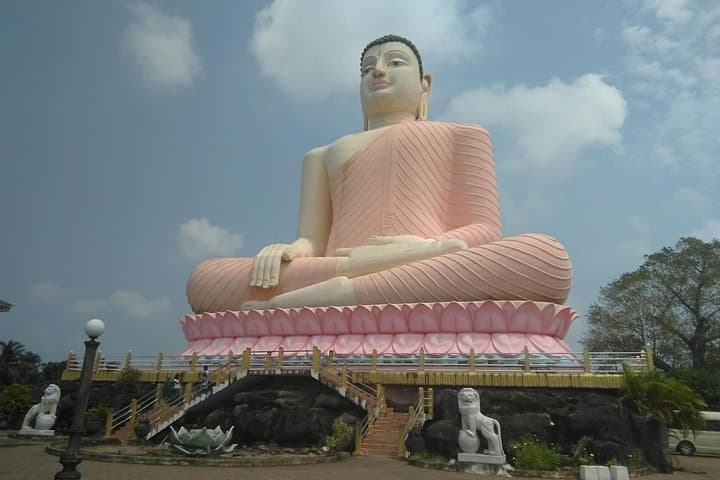
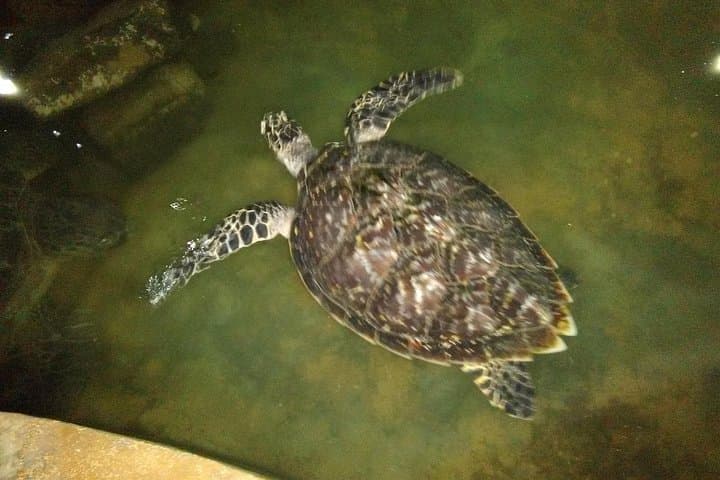
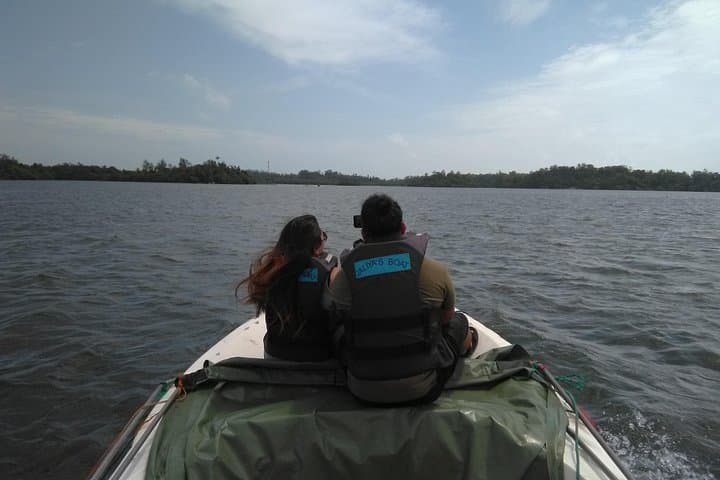
Begin with Kande Vihara's immense seated Buddha — its painted surface and hilltop perch reflect Sri Lanka's long Buddhist heritage and the island's clay‑rich, coastal geology. At Kosgoda Turtle Hatchery you see conservation up close: hatchlings clustered in shallow pens, their shell patterns a reminder of ancient marine migration routes. On the Madu River a small motorboat threads through mangrove channels and island temples; the wetlands show tidal rhythms and sediment layers that sustain a surprising range of birds and shellfish. Meetiyagoda’s moonstone workings reveal the gemtrade craft — miners, simple geology tables, and workshops polishing translucent feldspar.
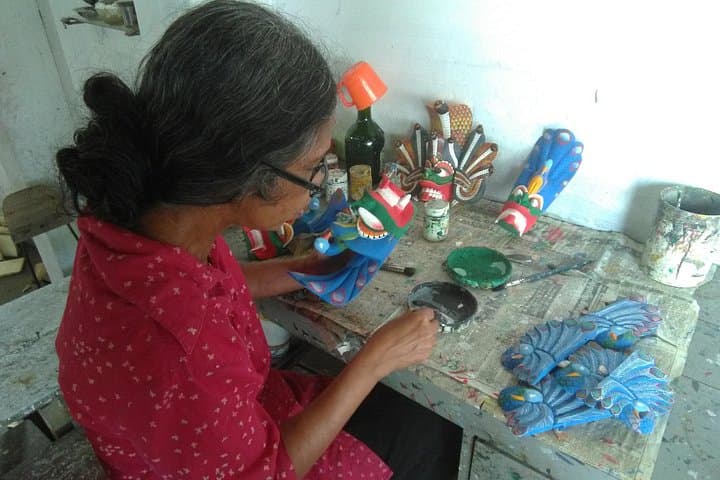
Practical guidance: this is a long, low‑impact day (12–14 hours) with several short walks and boat transfers; expect flat terrain and repeated boarding steps. Dress modestly for temple visits (shoulders and knees covered), bring reef‑friendly sunscreen and insect repellent, and carry cash for small museum or handicraft purchases. Footwear should be sturdy but easy to remove for temple entrances and boat docks. Plan for midday heat — mornings and late afternoon in Galle Fort are clearest for photography and wandering narrow streets. The tour is accessible for most fitness levels but rewards early starts and a patient pace.
easy.
12–14 hours.
Suitable for travelers in average physical condition; involves short walks, stairs and boarding small boats.
The tour runs about 12–14 hours with multiple short drives between sites; expect a full day in the vehicle with stops for walks, a river boat cruise, and a walking tour of Galle Fort.
Boat transfers require stepping up into small boats and some uneven dock surfaces; the operator lists wheelchair‑accessible transport but check specific boarding assistance at booking.
Yes — the hatchery houses various age classes from newly hatched to rehabilitated adults; timing of hatchings is seasonal and not guaranteed.
The tour lists buffet lunch, bottled water, and entrance fees for included attractions as part of the tour price — confirm any optional extras with your guide.
Galle Dutch Fort began as a Portuguese outpost and was fortified by the Dutch in the 17th century; the region played a key role in Indian Ocean trade, including gemstones and spices.
Many stops—Kosgoda hatchery and Madu mangrove tours—are tied to local conservation; choose operators that support hatchery release programs and avoid plastic waste on beaches.
Negombo Transfer operates guided outdoor trips and adventures with an emphasis on safety, stewardship, and memorable experiences.
You step out of a comfortable private vehicle into a humid coastal morning; palms lean over the highway and the sea smells faintly of salt and spice. The day's rhythm alternates between quiet temple courtyards, the slow boat hum of Madu River, and the stone alleys of a 17th‑century Dutch fort.
You step out of a comfortable private vehicle into a humid coastal morning; palms lean over the highway and the sea smells faintly of salt and spice. The day's rhythm alternates between quiet temple courtyards, the slow boat hum of Madu River, and the stone alleys of a 17th‑century Dutch fort.
Begin with Kande Vihara's immense seated Buddha — its painted surface and hilltop perch reflect Sri Lanka's long Buddhist heritage and the island's clay‑rich, coastal geology. At Kosgoda Turtle Hatchery you see conservation up close: hatchlings clustered in shallow pens, their shell patterns a reminder of ancient marine migration routes. On the Madu River a small motorboat threads through mangrove channels and island temples; the wetlands show tidal rhythms and sediment layers that sustain a surprising range of birds and shellfish. Meetiyagoda’s moonstone workings reveal the gemtrade craft — miners, simple geology tables, and workshops polishing translucent feldspar.
Practical guidance: this is a long, low‑impact day (12–14 hours) with several short walks and boat transfers; expect flat terrain and repeated boarding steps. Dress modestly for temple visits (shoulders and knees covered), bring reef‑friendly sunscreen and insect repellent, and carry cash for small museum or handicraft purchases. Footwear should be sturdy but easy to remove for temple entrances and boat docks. Plan for midday heat — mornings and late afternoon in Galle Fort are clearest for photography and wandering narrow streets. The tour is accessible for most fitness levels but rewards early starts and a patient pace.