THE ADVENTURE COLLECTIVE® · Independent discovery and booking for outdoor travel

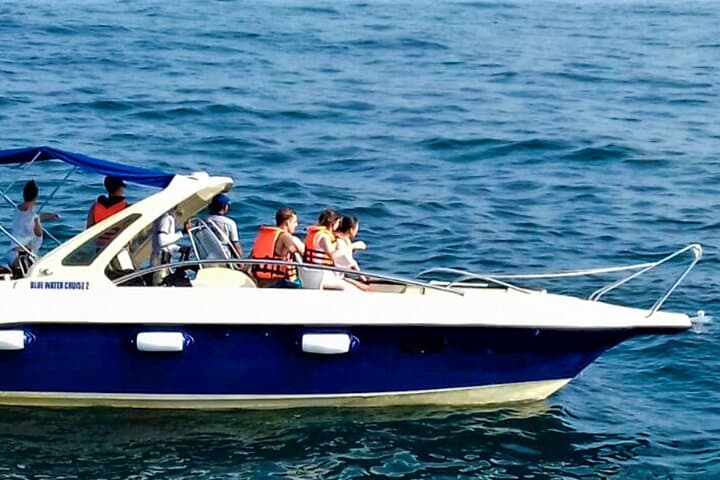
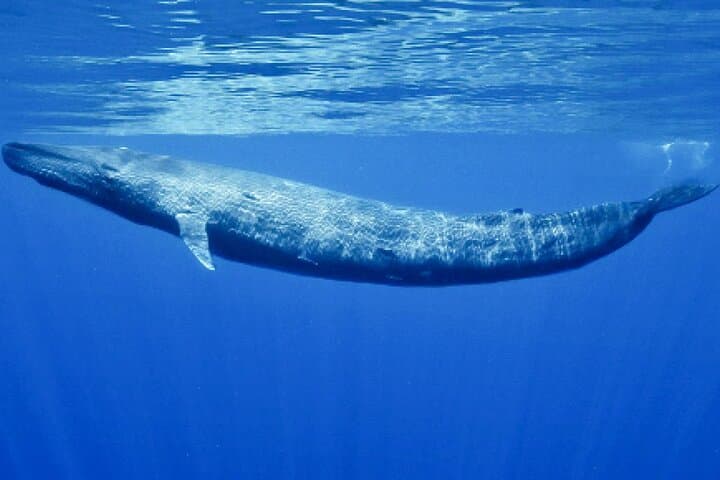
Set off from Bentota for a full-day shared-boat whale-watch where blue, sperm and fin whales frequent seasonal feeding grounds. Expect long ocean stretches, a marine naturalist onboard, and responsible-watching protocols.
Set off from Bentota for a full-day shared-boat whale-watch where blue, sperm and fin whales frequent seasonal feeding grounds. Expect long ocean stretches, a marine naturalist onboard, and responsible-watching protocols.
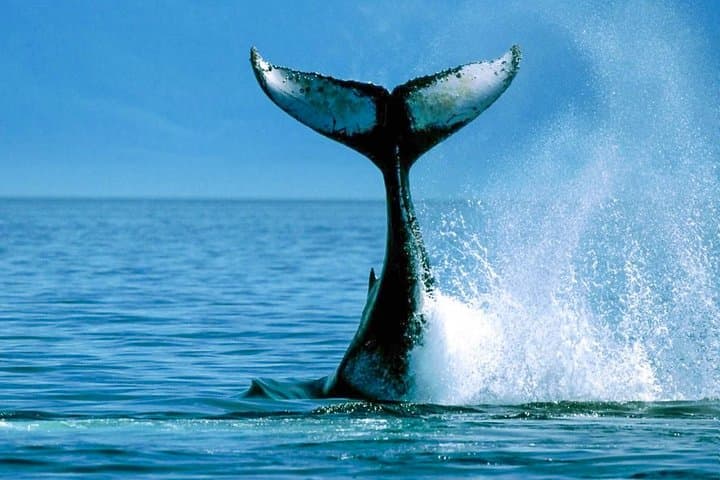
The bow cuts through the Indian Ocean as salt spray threads the air and the horizon opens wide — a ribbon of blue that seems to dare you to look closer. From Bentota’s sheltered launch point you head south, the coastline slipping starboard until the water deepens and cetacean breath marks the surface: a lifted plume, a rolling back, a fluke vanishing into the swell.
Verified experiences and guided adventures in the surrounding area.
Operated by Lakpura LLC · Bentota, Southern Province
The bow cuts through the Indian Ocean as salt spray threads the air and the horizon opens wide — a ribbon of blue that seems to dare you to look closer. From Bentota’s sheltered launch point you head south, the coastline slipping starboard until the water deepens and cetacean breath marks the surface: a lifted plume, a rolling back, a fluke vanishing into the swell.
This stretch of Sri Lanka’s southern shelf has drawn seafarers for centuries — traders, fishermen and now marine researchers — thanks to steep submarine slopes and nutrient-rich upwellings that attract krill and small schooling fish, and with them, whales. Cultural ties to the sea remain visible in coastal towns; morning nets and toddy shops sit a short ride from the open water where giants pass.
On the water you’ll rely on sight and sound: watch for spouts, listen for the hollow exhale, and let the naturalist call out identifying cues. Boats operating here commonly follow responsible-watching guidelines and reduce speed and noise near animals, keeping a respectful distance so behavior stays natural.
Practical notes: the best season for calm seas and consistent sightings runs roughly December–April. Trips typically include hotel pickup, bottled water, and an English-speaking guide; expect a long day on the water — bring sun protection, motion-sickness remedies, and a small daypack. Keep cameras ready but patient: whale time doesn’t follow a schedule, and when the moment comes, it’s worth the wait.
easy.
9 hours (approx.).
Suitable for most fitness levels; requires ability to board a small boat and stand or sit on an open deck for extended periods.
The most reliable months for whale sightings and calmer seas are December through April; operators still run trips outside this window but sea state and visibility vary.
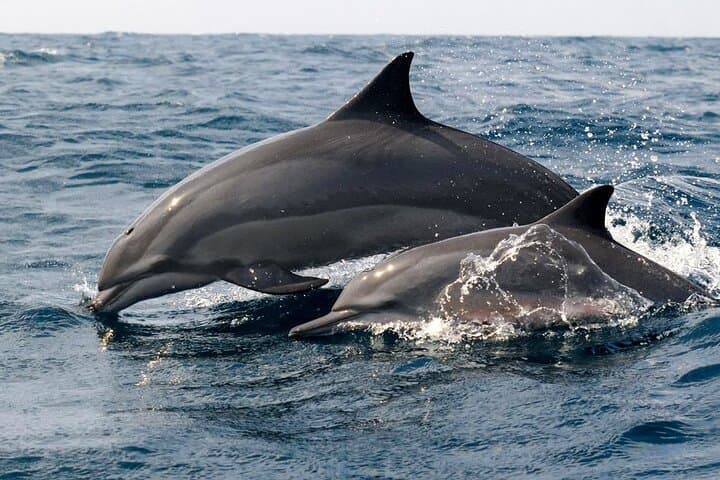
Common species in this region include blue whales, sperm whales and fin whales, along with various dolphins and occasional orcas; sightings depend on season and feeding activity.
Responsible operators reduce speed and keep a safe distance—typically aiming for around 100–300 feet (≈30–100 m) to minimize disturbance; crew will advise and position the boat accordingly.
Trips are generally suitable for most people but are not recommended for travelers with spinal injuries, serious heart conditions, or for pregnant guests; check operator guidance and disclose health issues at booking.
Sri Lanka’s southern coast has long been a maritime corridor for regional trade; fishing communities here retain traditional boatbuilding and coastal livelihoods that coexist with modern tourism.
Operators follow local responsible-watching recommendations to limit speed and proximity; support local conservation groups when possible and avoid chasing or crowding animals.
Lakpura LLC operates guided outdoor trips and adventures with an emphasis on safety, stewardship, and memorable experiences.
The bow cuts through the Indian Ocean as salt spray threads the air and the horizon opens wide — a ribbon of blue that seems to dare you to look closer. From Bentota’s sheltered launch point you head south, the coastline slipping starboard until the water deepens and cetacean breath marks the surface: a lifted plume, a rolling back, a fluke vanishing into the swell.
The bow cuts through the Indian Ocean as salt spray threads the air and the horizon opens wide — a ribbon of blue that seems to dare you to look closer. From Bentota’s sheltered launch point you head south, the coastline slipping starboard until the water deepens and cetacean breath marks the surface: a lifted plume, a rolling back, a fluke vanishing into the swell.
This stretch of Sri Lanka’s southern shelf has drawn seafarers for centuries — traders, fishermen and now marine researchers — thanks to steep submarine slopes and nutrient-rich upwellings that attract krill and small schooling fish, and with them, whales. Cultural ties to the sea remain visible in coastal towns; morning nets and toddy shops sit a short ride from the open water where giants pass.
On the water you’ll rely on sight and sound: watch for spouts, listen for the hollow exhale, and let the naturalist call out identifying cues. Boats operating here commonly follow responsible-watching guidelines and reduce speed and noise near animals, keeping a respectful distance so behavior stays natural.
Practical notes: the best season for calm seas and consistent sightings runs roughly December–April. Trips typically include hotel pickup, bottled water, and an English-speaking guide; expect a long day on the water — bring sun protection, motion-sickness remedies, and a small daypack. Keep cameras ready but patient: whale time doesn’t follow a schedule, and when the moment comes, it’s worth the wait.