THE ADVENTURE COLLECTIVE® · Independent discovery and booking for outdoor travel

Glide a private motorboat through Bentota’s mangrove tunnels to spot kingfishers, monitor lizards, monkeys and estuarine crocodiles. This two-hour river safari pairs expert local guiding with intimate wildlife viewing in a protected estuary.
Glide a private motorboat through Bentota’s mangrove tunnels to spot kingfishers, monitor lizards, monkeys and estuarine crocodiles. This two-hour river safari pairs expert local guiding with intimate wildlife viewing in a protected estuary.
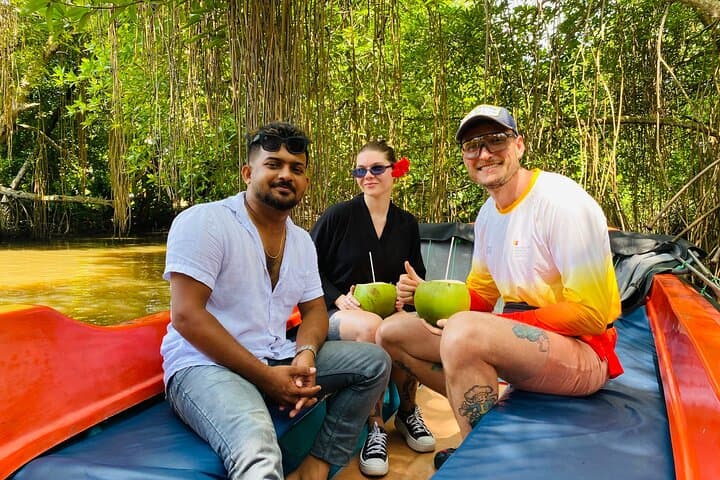
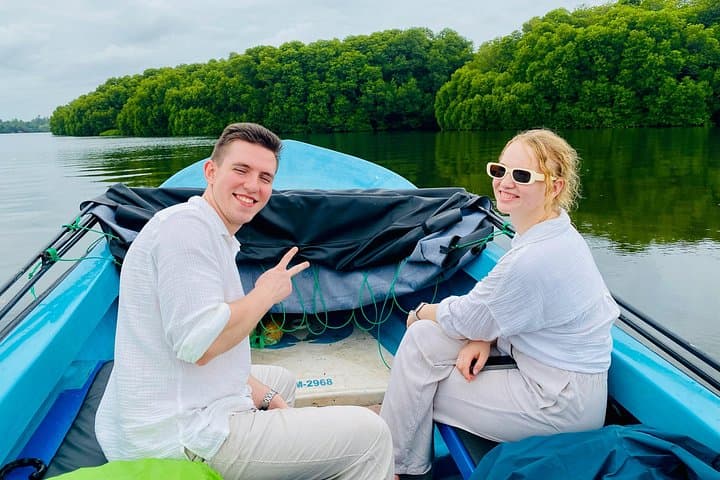
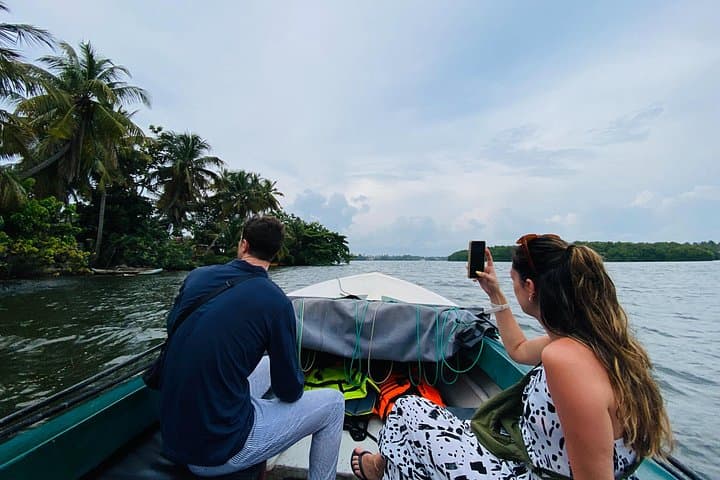
The boat slips away from the bank and the river narrows; mangrove roots braid the water into dark corridors and the air smells of wet earth and salt. Kingfishers flash like electric paint along the shore, and a distant silhouette — a crocodile’s back — basks on a mud shelf while monkeys watch from the canopy. It feels remote, but the guide’s calm voice reminds you this is a working estuary shaped by tides and history.
Verified experiences and guided adventures in the surrounding area.
Operated by Ayuboway Tours · Bentota, Southern Province
The boat slips away from the bank and the river narrows; mangrove roots braid the water into dark corridors and the air smells of wet earth and salt. Kingfishers flash like electric paint along the shore, and a distant silhouette — a crocodile’s back — basks on a mud shelf while monkeys watch from the canopy. It feels remote, but the guide’s calm voice reminds you this is a working estuary shaped by tides and history.
The Bentota River has been a local highway for centuries, guiding traders and fishermen and feeding the cinnamon and coconut economies that shaped the coast. Geologically the estuary is young — sediment from the Mahaweli and coastal currents building mudflats and mangrove stands that protect inland agriculture and provide nursery habitat for fish.
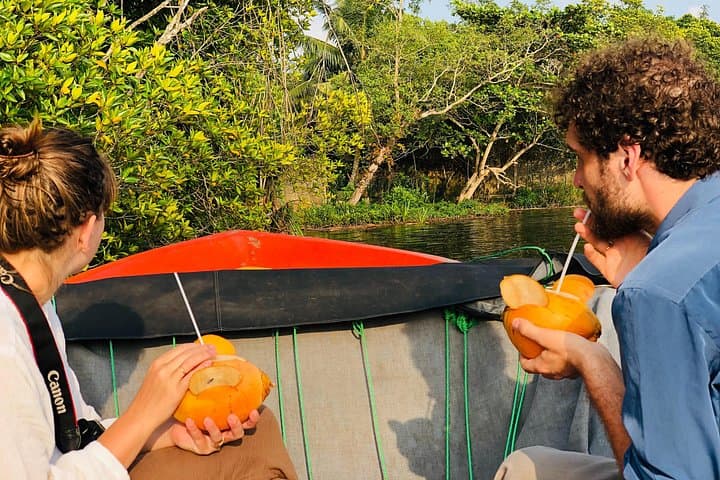
Culturally, the river threads together small fishing villages, temple shrines, and stalls serving king coconut and fried fish; guides often point out places linked to colonial trade routes and local livelihoods. Expect close-up wildlife viewing — water monitors, herons, kingfishers, toque macaques and the occasional estuarine crocodile — best observed from the safety of the boat.
Practically: tours run about two hours, are private and suitable for most fitness levels, and provide life jackets and a knowledgeable sailor-guide. Morning light improves photography and animal activity; late afternoons offer softer light but variable winds. Bring sun protection, insect repellent, a waterproof bag for cameras, and respect wildlife distances — the boat keeps you safe but disturbance does not. Choose an early slot to avoid crowds and heavy heat, and enjoy a calm, crowd-free river experience that pairs natural history with low-impact travel.
easy.
2 hours.
Suitable for most fitness levels; requires only the ability to board a small motorboat.
Seeing crocodiles from the boat is common; the guide maintains safe distances and provides life jackets—do not attempt to touch or feed wildlife.
Yes. The tour is labeled physically easy; infants can sit on laps and the boat is stable, but mention any mobility concerns when booking.
Early morning offers the most wildlife activity and the calmest water; late afternoon can also be pleasant but may be windier during certain months.
Private tours benefit from booking ahead to secure your preferred time; some operators offer pickup—confirm pickup options when you reserve.
The Bentota estuary has long supported coastal trade and fishing; colonial powers used nearby ports and the river corridors for transporting spices and coconuts.
Mangroves are critical coastal buffers—avoid littering, keep noise low, and support operators who follow wildlife-friendly viewing practices.
Ayuboway Tours operates guided outdoor trips and adventures with an emphasis on safety, stewardship, and memorable experiences.
The boat slips away from the bank and the river narrows; mangrove roots braid the water into dark corridors and the air smells of wet earth and salt. Kingfishers flash like electric paint along the shore, and a distant silhouette — a crocodile’s back — basks on a mud shelf while monkeys watch from the canopy. It feels remote, but the guide’s calm voice reminds you this is a working estuary shaped by tides and history.
The boat slips away from the bank and the river narrows; mangrove roots braid the water into dark corridors and the air smells of wet earth and salt. Kingfishers flash like electric paint along the shore, and a distant silhouette — a crocodile’s back — basks on a mud shelf while monkeys watch from the canopy. It feels remote, but the guide’s calm voice reminds you this is a working estuary shaped by tides and history.
The Bentota River has been a local highway for centuries, guiding traders and fishermen and feeding the cinnamon and coconut economies that shaped the coast. Geologically the estuary is young — sediment from the Mahaweli and coastal currents building mudflats and mangrove stands that protect inland agriculture and provide nursery habitat for fish.
Culturally, the river threads together small fishing villages, temple shrines, and stalls serving king coconut and fried fish; guides often point out places linked to colonial trade routes and local livelihoods. Expect close-up wildlife viewing — water monitors, herons, kingfishers, toque macaques and the occasional estuarine crocodile — best observed from the safety of the boat.
Practically: tours run about two hours, are private and suitable for most fitness levels, and provide life jackets and a knowledgeable sailor-guide. Morning light improves photography and animal activity; late afternoons offer softer light but variable winds. Bring sun protection, insect repellent, a waterproof bag for cameras, and respect wildlife distances — the boat keeps you safe but disturbance does not. Choose an early slot to avoid crowds and heavy heat, and enjoy a calm, crowd-free river experience that pairs natural history with low-impact travel.