THE ADVENTURE COLLECTIVE® · Independent discovery and booking for outdoor travel

Explore the jungle-swallowed grandeur of Beng Mealea and the dramatic stilt-house community of Kampong Khleang on a private day trip from Siem Reap. This tour pairs Angkor-period ruins with living lake culture, offering archaeology, wildlife sighting opportunities, and local life on Tonle Sap.
Explore the jungle-swallowed grandeur of Beng Mealea and the dramatic stilt-house community of Kampong Khleang on a private day trip from Siem Reap. This tour pairs Angkor-period ruins with living lake culture, offering archaeology, wildlife sighting opportunities, and local life on Tonle Sap.
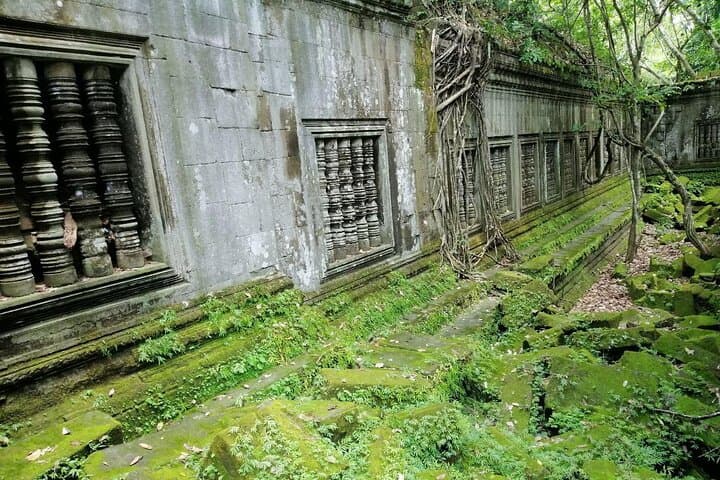
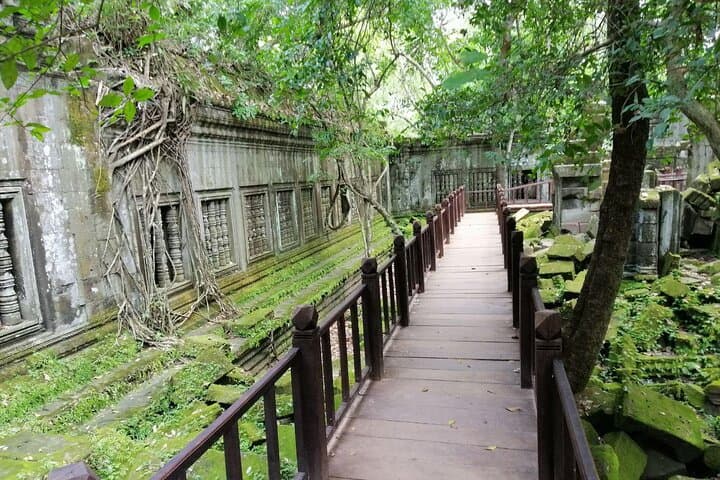
You step off the shaded van onto soft red dust and the temple looms through a curtain of vines — sandstone blocks toppled like fallen teeth, trees leaning in as if to listen. Beng Mealea still feels like a place paused mid-collapse: galleries half-filled with leaf litter, moss softening carved lintels, and a moat that traces the scale of a lost town.
Verified experiences and guided adventures in the surrounding area.
Operated by Day Trip Cambodia · Siem Reap, Siem Reap Province
You step off the shaded van onto soft red dust and the temple looms through a curtain of vines — sandstone blocks toppled like fallen teeth, trees leaning in as if to listen. Beng Mealea still feels like a place paused mid-collapse: galleries half-filled with leaf litter, moss softening carved lintels, and a moat that traces the scale of a lost town.
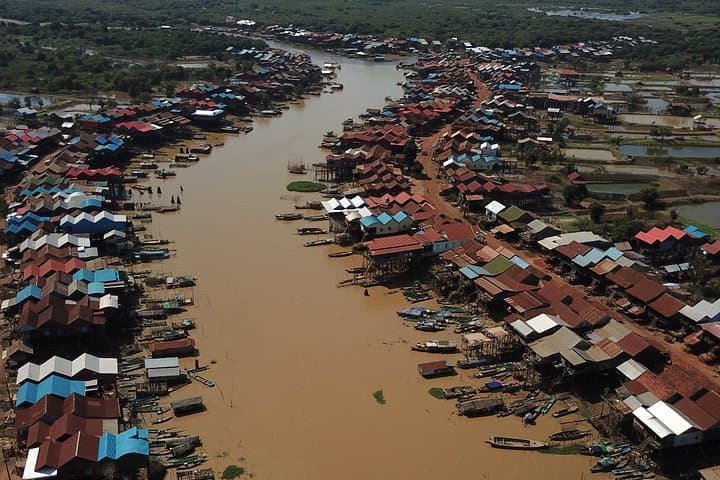
Built in the Angkor Wat architectural style and commonly dated to the reign of King Suryavarman II in the early 12th century, Beng Mealea was once the center of a sizeable settlement ringed by a broad moat. The temple’s sandstone and laterite reveal the geology of central Cambodia, where ancient river systems deposited layers that became sculpted by time and human hands. Later in the afternoon the trip moves to Kampong Khleang, a living community on Tonle Sap’s northern edge where stilt houses rise like a forest during the dry months and sit shoulder-deep in water during the monsoon.
The day balances archaeology with anthropology: you’ll climb uneven steps at Beng Mealea, scan collapsed galleries for bas-reliefs, then float past fishing nets and wooden piers at Kampong Khleang, where daily life is dictated by the lake’s moods.
Practical bits: expect 6–7 hours door-to-door from Siem Reap, rough walking surfaces, and limited shade around the temple. Bring a refillable water bottle, sun protection, and modest clothing for village visits. Cash helps for small purchases and boat fees. Move deliberately, watch your footing, and let the place’s slow patience shape your pace.
easy.
6–7 hours.
Light fitness required; participants should be comfortable walking on uneven ground and boarding small boats.
Admissions are typically separate from the tour price; confirm with your operator and bring local currency for the site fee.
This is a private guided trip — operators usually offer hotel pickup in Siem Reap; confirm pickup point when booking.
Dry season (Nov–Apr) shows towering stilt houses; wet season (May–Oct) floods the landscape, offering dramatic boat access and flooded forest scenery.
Beng Mealea involves uneven steps and loose stones; families with older children can manage it, and the tour is described as suitable for all fitness levels.
Beng Mealea’s plan and carving style link it to the Angkor Wat era under Suryavarman II (early 12th century); it was once surrounded by a broad moat and urban settlement.
Tourism and seasonal fishing pressure affect Tonle Sap; support community-run services, avoid single-use plastics, and follow local guidance to minimize disturbance.
Day Trip Cambodia operates guided outdoor trips and adventures with an emphasis on safety, stewardship, and memorable experiences.
You step off the shaded van onto soft red dust and the temple looms through a curtain of vines — sandstone blocks toppled like fallen teeth, trees leaning in as if to listen. Beng Mealea still feels like a place paused mid-collapse: galleries half-filled with leaf litter, moss softening carved lintels, and a moat that traces the scale of a lost town.
You step off the shaded van onto soft red dust and the temple looms through a curtain of vines — sandstone blocks toppled like fallen teeth, trees leaning in as if to listen. Beng Mealea still feels like a place paused mid-collapse: galleries half-filled with leaf litter, moss softening carved lintels, and a moat that traces the scale of a lost town.
Built in the Angkor Wat architectural style and commonly dated to the reign of King Suryavarman II in the early 12th century, Beng Mealea was once the center of a sizeable settlement ringed by a broad moat. The temple’s sandstone and laterite reveal the geology of central Cambodia, where ancient river systems deposited layers that became sculpted by time and human hands. Later in the afternoon the trip moves to Kampong Khleang, a living community on Tonle Sap’s northern edge where stilt houses rise like a forest during the dry months and sit shoulder-deep in water during the monsoon.
The day balances archaeology with anthropology: you’ll climb uneven steps at Beng Mealea, scan collapsed galleries for bas-reliefs, then float past fishing nets and wooden piers at Kampong Khleang, where daily life is dictated by the lake’s moods.
Practical bits: expect 6–7 hours door-to-door from Siem Reap, rough walking surfaces, and limited shade around the temple. Bring a refillable water bottle, sun protection, and modest clothing for village visits. Cash helps for small purchases and boat fees. Move deliberately, watch your footing, and let the place’s slow patience shape your pace.