THE ADVENTURE COLLECTIVE® · Independent discovery and booking for outdoor travel

Explore two of Cambodia’s lesser-known temple sites on a full-day trip from Siem Reap. Walk ruined corridors at Beng Mealea and the brick sanctuaries of Sambor Prei Kuk while learning the early history of the Khmer world.
Explore two of Cambodia’s lesser-known temple sites on a full-day trip from Siem Reap. Walk ruined corridors at Beng Mealea and the brick sanctuaries of Sambor Prei Kuk while learning the early history of the Khmer world.
The morning arrives humid and bright as the tour van peels away from Siem Reap and the countryside opens into salted-earth tracks and small rice paddies. At Beng Mealea the temple’s low walls and toppled towers lie half-swallowed by fig roots; sunlight finds gaps in the canopy and sketches the carvings with sharp contrast. Later, Sambor Prei Kuk unfolds as scattered brick sanctuaries set amid scrub forest and ponds, each doorway a frame to centuries of quiet weathering.
Verified experiences and guided adventures in the surrounding area.
Operated by Marvel Angkor Tours · Siem Reap, Siem Reap Province
The morning arrives humid and bright as the tour van peels away from Siem Reap and the countryside opens into salted-earth tracks and small rice paddies. At Beng Mealea the temple’s low walls and toppled towers lie half-swallowed by fig roots; sunlight finds gaps in the canopy and sketches the carvings with sharp contrast. Later, Sambor Prei Kuk unfolds as scattered brick sanctuaries set amid scrub forest and ponds, each doorway a frame to centuries of quiet weathering.
These sites bookend two chapters of Khmer history: Beng Mealea is a largely Angkorian-era ruin, expansive and defensive in scale, while Sambor Prei Kuk was the capital of Isanapura in the 7th century, notable for its red-brick Prasat-style architecture and early inscriptions. Geologically the complexes sit on a flat alluvial plain; builders used sandstone and laterite at Beng Mealea and fired brick at Sambor Prei Kuk, materials that age differently and shape how you explore them.
Culturally, the route threads through villages where daily life still orbits the rice calendar; guides explain iconography, local legends and conservation needs. Practicalities matter: expect uneven, root-strewn footing, intermittent shade, and sections where climbing over fallen blocks is required. Bring steady footwear, at least 2 liters of water, sun protection, and a lightweight rain layer in the wet season.
Plan for an early start to avoid midday heat and to catch softer light for photography.
Respect fragile carvings, hire a licensed guide to deepen your understanding, and leave no trace—these ruins survive because people care for them.
easy.
5–10 hours.
Light walking on uneven, sometimes steep terrain; suitable for most fitness levels who can manage short climbs and uneven ground.
Tours run approximately 5–10 hours depending on pace; private transport, a multilingual guide, bottled water and a professional photographer are commonly included.
No technical climbing is required, but expect uneven ruins, tree roots and low steps—comfortable walking shoes are recommended.
Yes; the itinerary is family-friendly but infants must sit on an adult’s lap in the vehicle and caregivers should supervise around ruins.
Check your booking details; some tours include admission while others require separate park fees—confirm prior to travel.
Sambor Prei Kuk served as the 7th-century capital of Isanapura under the Chenla polity, while Beng Mealea is mainly Angkorian in style and often dated to the reign of Suryavarman II.
Both sites are sensitive to visitor impact—stay on paths, avoid touching fragile brick and stone, and support certified local guides who contribute to preservation efforts.
Marvel Angkor Tours operates guided outdoor trips and adventures with an emphasis on safety, stewardship, and memorable experiences.
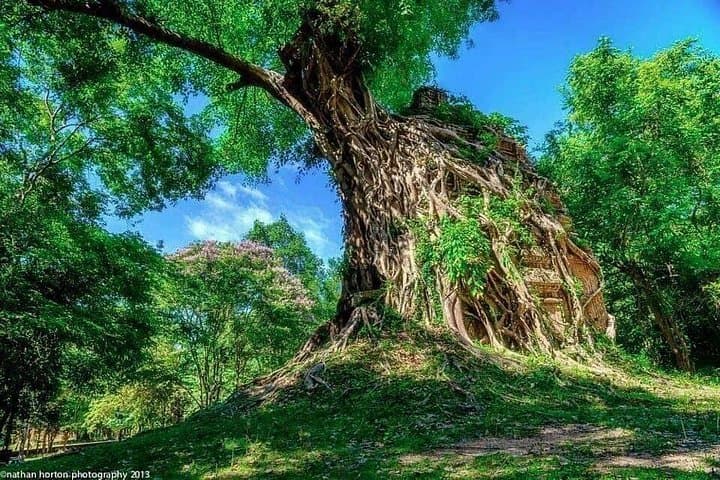
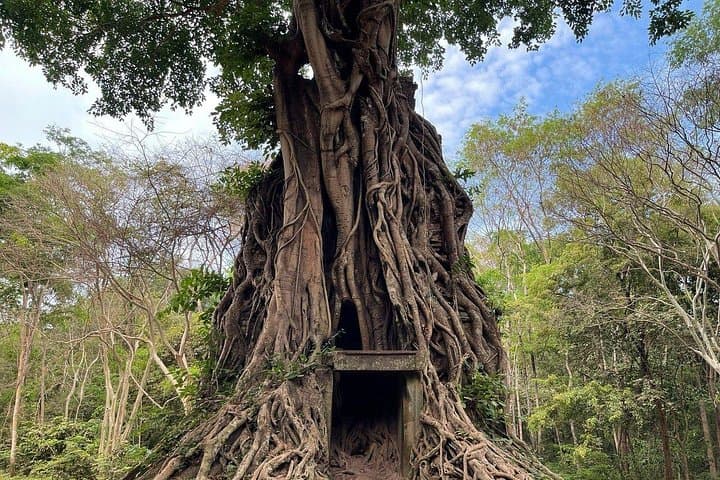
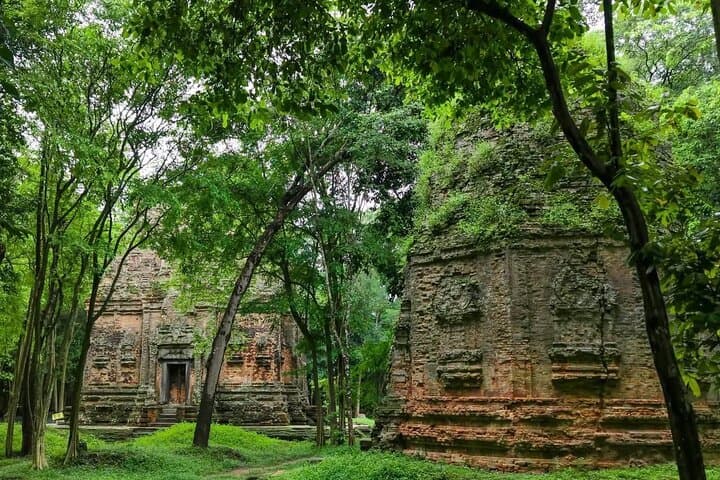
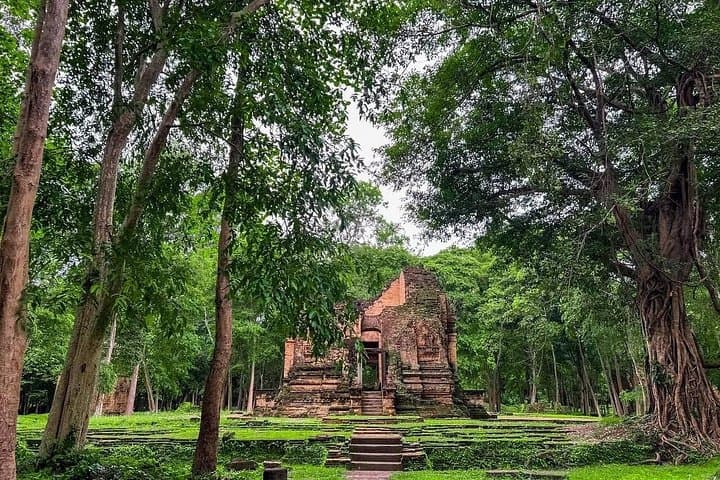
The morning arrives humid and bright as the tour van peels away from Siem Reap and the countryside opens into salted-earth tracks and small rice paddies. At Beng Mealea the temple’s low walls and toppled towers lie half-swallowed by fig roots; sunlight finds gaps in the canopy and sketches the carvings with sharp contrast. Later, Sambor Prei Kuk unfolds as scattered brick sanctuaries set amid scrub forest and ponds, each doorway a frame to centuries of quiet weathering.
The morning arrives humid and bright as the tour van peels away from Siem Reap and the countryside opens into salted-earth tracks and small rice paddies. At Beng Mealea the temple’s low walls and toppled towers lie half-swallowed by fig roots; sunlight finds gaps in the canopy and sketches the carvings with sharp contrast. Later, Sambor Prei Kuk unfolds as scattered brick sanctuaries set amid scrub forest and ponds, each doorway a frame to centuries of quiet weathering.
These sites bookend two chapters of Khmer history: Beng Mealea is a largely Angkorian-era ruin, expansive and defensive in scale, while Sambor Prei Kuk was the capital of Isanapura in the 7th century, notable for its red-brick Prasat-style architecture and early inscriptions. Geologically the complexes sit on a flat alluvial plain; builders used sandstone and laterite at Beng Mealea and fired brick at Sambor Prei Kuk, materials that age differently and shape how you explore them.
Culturally, the route threads through villages where daily life still orbits the rice calendar; guides explain iconography, local legends and conservation needs. Practicalities matter: expect uneven, root-strewn footing, intermittent shade, and sections where climbing over fallen blocks is required. Bring steady footwear, at least 2 liters of water, sun protection, and a lightweight rain layer in the wet season.
Plan for an early start to avoid midday heat and to catch softer light for photography.
Respect fragile carvings, hire a licensed guide to deepen your understanding, and leave no trace—these ruins survive because people care for them.