THE ADVENTURE COLLECTIVE® · Independent discovery and booking for outdoor travel

Spend a full day from Siem Reap exploring the stilt villages of Tonle Sap and the jungle‑overtaken ruins of Beng Mealea. This private tour pairs a seasonal boat ride through Kompong Phluk with time to scramble among fallen towers and shaded courtyards at a remote Angkorian temple.
Spend a full day from Siem Reap exploring the stilt villages of Tonle Sap and the jungle‑overtaken ruins of Beng Mealea. This private tour pairs a seasonal boat ride through Kompong Phluk with time to scramble among fallen towers and shaded courtyards at a remote Angkorian temple.
You step out of the air‑conditioned van as humid air and bird calls press in—the road gives way to a flat, green plain and the scent of wet earth. The day begins on Tonle Sap, where Kompong Phluk’s stilts and tilted walkways rise from a seasonal lake; wooden houses seem to pause and watch the boats pass. The water dares you to slow down and look closely at life lived at river level.
Verified experiences and guided adventures in the surrounding area.
Operated by Tour East Cambodia · Siem Reap, Siem Reap Province
You step out of the air‑conditioned van as humid air and bird calls press in—the road gives way to a flat, green plain and the scent of wet earth. The day begins on Tonle Sap, where Kompong Phluk’s stilts and tilted walkways rise from a seasonal lake; wooden houses seem to pause and watch the boats pass. The water dares you to slow down and look closely at life lived at river level.
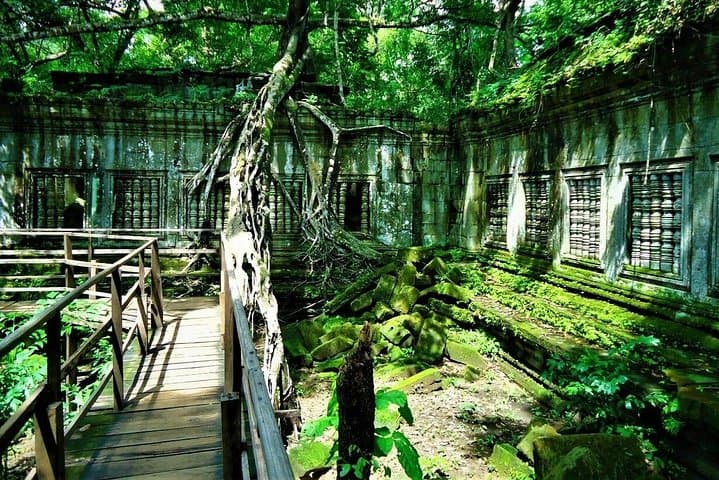
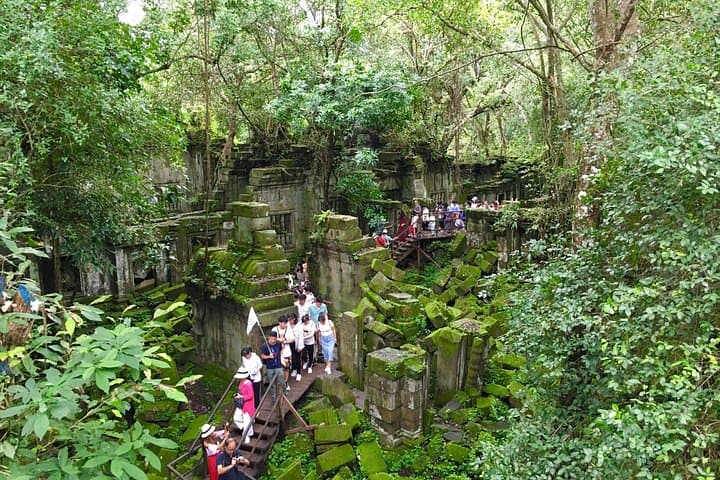
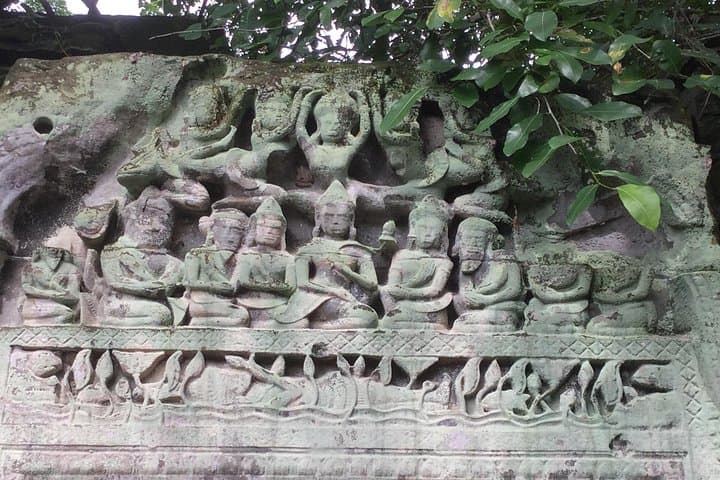
Kompong Phluk sits on the northern edge of the Tonle Sap system, a floodplain whose rhythms govern fishing, rice cycles, and village life. The afternoon’s counterpoint is Beng Mealea, a remote 12th‑century temple roughly an hour east of Siem Reap, built in sandstone during the Angkorian era. Time and vines have given its courtyards a chaotic geometry—fallen lintels, toppled towers, and shaded corridors that feel more exploratory than curated.
Expect sandy river banks, narrow wooden boats (operable July–March when water is high), and short, sometimes steep climbs over broken temple stones. The guide will explain local fishing methods, seasonal migration of waterbirds, and the temple’s loose connection to Angkor Wat’s architectural style.
Practical notes: pickups typically start at 8:00 a.m. and the tour runs about eight hours; wear grippy shoes for wet boat decks and uneven temple surfaces, bring sun protection and insect repellent, and carry a refillable bottle—the operator provides cold water. Respect private homes on stilts, ask before photographing people, and be prepared for low water alternatives to Kompong Phluk during the dry months. The day pairs easy mobility with adventurous terrain—an accessible introduction to rural Tonle Sap and off‑the‑beaten‑path Angkor archaeology.
easy.
8 hours.
Suitable for most fitness levels; requires short walks, boarding boats, and scrambling over uneven temple stones.
Boat access is generally possible from July through March when water levels on Tonle Sap are high; in the dry months operators usually substitute Chong Kneas or similar villages.
The tour is approximately eight hours with pickup around 8:00 a.m. and drop‑off in Siem Reap near 5:00 p.m.
The site involves uneven terrain and some light scrambling over stones; children and less mobile travelers can visit but should take care and may skip more rugged sections.
Typical inclusions are private air‑conditioned transport, an English‑speaking guide, and cold drinking water; confirm admission fees and lunch arrangements when booking.
Beng Mealea dates to the early 12th century and shares architectural features with Angkor Wat; Tonle Sap's flood pulse has shaped centuries of riverine communities like Kompong Phluk.
Tonle Sap is ecologically sensitive—avoid plastic waste, respect breeding grounds, and follow local guidance to minimize disturbance to birds and fisheries.
Tour East Cambodia operates guided outdoor trips and adventures with an emphasis on safety, stewardship, and memorable experiences.
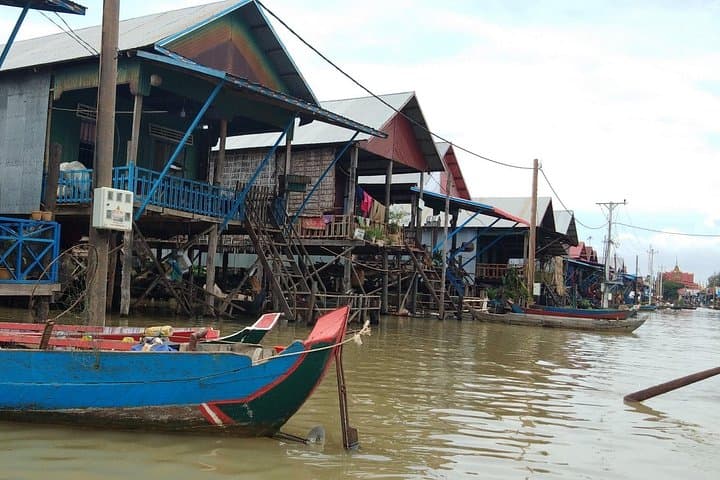
You step out of the air‑conditioned van as humid air and bird calls press in—the road gives way to a flat, green plain and the scent of wet earth. The day begins on Tonle Sap, where Kompong Phluk’s stilts and tilted walkways rise from a seasonal lake; wooden houses seem to pause and watch the boats pass. The water dares you to slow down and look closely at life lived at river level.
You step out of the air‑conditioned van as humid air and bird calls press in—the road gives way to a flat, green plain and the scent of wet earth. The day begins on Tonle Sap, where Kompong Phluk’s stilts and tilted walkways rise from a seasonal lake; wooden houses seem to pause and watch the boats pass. The water dares you to slow down and look closely at life lived at river level.
Kompong Phluk sits on the northern edge of the Tonle Sap system, a floodplain whose rhythms govern fishing, rice cycles, and village life. The afternoon’s counterpoint is Beng Mealea, a remote 12th‑century temple roughly an hour east of Siem Reap, built in sandstone during the Angkorian era. Time and vines have given its courtyards a chaotic geometry—fallen lintels, toppled towers, and shaded corridors that feel more exploratory than curated.
Expect sandy river banks, narrow wooden boats (operable July–March when water is high), and short, sometimes steep climbs over broken temple stones. The guide will explain local fishing methods, seasonal migration of waterbirds, and the temple’s loose connection to Angkor Wat’s architectural style.
Practical notes: pickups typically start at 8:00 a.m. and the tour runs about eight hours; wear grippy shoes for wet boat decks and uneven temple surfaces, bring sun protection and insect repellent, and carry a refillable bottle—the operator provides cold water. Respect private homes on stilts, ask before photographing people, and be prepared for low water alternatives to Kompong Phluk during the dry months. The day pairs easy mobility with adventurous terrain—an accessible introduction to rural Tonle Sap and off‑the‑beaten‑path Angkor archaeology.