THE ADVENTURE COLLECTIVE® · Independent discovery and booking for outdoor travel

Explore two lesser-visited Khmer sites on a full-day tour from Siem Reap. Wander the unrestored corridors of Beng Mealea and climb the pyramid at Koh Ker while learning the regional history and practical tips for a comfortable day in the field.
Explore two lesser-visited Khmer sites on a full-day tour from Siem Reap. Wander the unrestored corridors of Beng Mealea and climb the pyramid at Koh Ker while learning the regional history and practical tips for a comfortable day in the field.
Morning light slices the jungle as the minivan hums away from Siem Reap, and by the time you step out at Beng Mealea the air smells of damp stone and forest. Crumbled galleries lean like overturned combs, roots push through carved lintels, and the site dares you to move slowly—camera up, boots on, senses alert.
Verified experiences and guided adventures in the surrounding area.
Operated by Asia Voyage Tour · Siem Reap, Siem Reap Province
Morning light slices the jungle as the minivan hums away from Siem Reap, and by the time you step out at Beng Mealea the air smells of damp stone and forest. Crumbled galleries lean like overturned combs, roots push through carved lintels, and the site dares you to move slowly—camera up, boots on, senses alert.
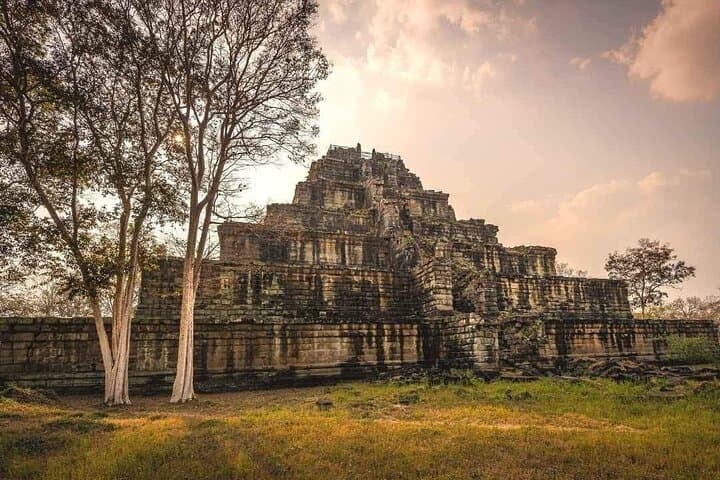
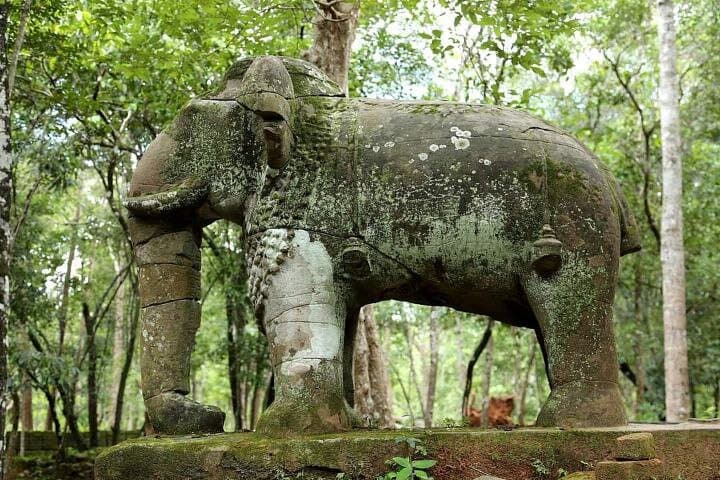
These two sites sit off the beaten Angkor circuit but belong to the same sweep of Khmer history. Beng Mealea dates to the 12th-century Suryavarman II era and remains largely unrestored, its blocks scattered and reclaimed by trees. Koh Ker once served as a short-lived capital under Jayavarman IV (early 10th century), crowned by the rising Prasat Thom pyramid that rewards the climb with broad, raw views over scrub and rice. Geology is straightforward: sandstone blocks quarried and transported by ancient labor, now weathering under a tropical climate that speeds moss and lichen growth.
Local life threads the roads between sites—rice paddies, roadside stalls, and villages where guides may point out seasonal crops. Respectful dress and measured steps help preserve fragile carvings.
Practical guidance: plan for a full 8-hour day with pickup and return to Siem Reap, bring water and sun protection, and budget for entrance fees (usually paid onsite). Wear grippy shoes for uneven, sometimes slippery stone and allow extra time for photography and short walks off main paths. If you prefer quieter mornings, request an early pickup; afternoons can be hotter and wetter during monsoon months.
easy.
8 hours.
Suitable for most fitness levels—basic walking, short climbs and uneven ground; minimal sustained exertion required.
No—most tours do not include national park or temple entrance fees; visitors usually pay on arrival at each site.
Beng Mealea is roughly 1–1.5 hours east of Siem Reap; Koh Ker is farther northeast and the full round-trip tour runs about 8 hours including drives and stops.
Yes—sites require walking on uneven ground but no technical climbing; travelers with mobility concerns should notify the operator for suitable pickup or assistance.
Photography for personal use is allowed at most areas, but drone use is often restricted—check local regulations and ask your guide before flying.
Koh Ker briefly served as the Khmer capital under Jayavarman IV (10th century), while Beng Mealea was built in the 12th century and left largely unrestored, giving a raw sense of collapse and regrowth.
Visitor pressure and tropical weather accelerate erosion—stay off fragile carvings, pack out trash, and support local guides who promote sustainable tourism.
Asia Voyage Tour operates guided outdoor trips and adventures with an emphasis on safety, stewardship, and memorable experiences.


Morning light slices the jungle as the minivan hums away from Siem Reap, and by the time you step out at Beng Mealea the air smells of damp stone and forest. Crumbled galleries lean like overturned combs, roots push through carved lintels, and the site dares you to move slowly—camera up, boots on, senses alert.
Morning light slices the jungle as the minivan hums away from Siem Reap, and by the time you step out at Beng Mealea the air smells of damp stone and forest. Crumbled galleries lean like overturned combs, roots push through carved lintels, and the site dares you to move slowly—camera up, boots on, senses alert.
These two sites sit off the beaten Angkor circuit but belong to the same sweep of Khmer history. Beng Mealea dates to the 12th-century Suryavarman II era and remains largely unrestored, its blocks scattered and reclaimed by trees. Koh Ker once served as a short-lived capital under Jayavarman IV (early 10th century), crowned by the rising Prasat Thom pyramid that rewards the climb with broad, raw views over scrub and rice. Geology is straightforward: sandstone blocks quarried and transported by ancient labor, now weathering under a tropical climate that speeds moss and lichen growth.
Local life threads the roads between sites—rice paddies, roadside stalls, and villages where guides may point out seasonal crops. Respectful dress and measured steps help preserve fragile carvings.
Practical guidance: plan for a full 8-hour day with pickup and return to Siem Reap, bring water and sun protection, and budget for entrance fees (usually paid onsite). Wear grippy shoes for uneven, sometimes slippery stone and allow extra time for photography and short walks off main paths. If you prefer quieter mornings, request an early pickup; afternoons can be hotter and wetter during monsoon months.