THE ADVENTURE COLLECTIVE® · Independent discovery and booking for outdoor travel

Experience a Benfica match day at Estádio da Luz: fists of scarves, drum-led chants, and a stadium atmosphere that defines Lisbon football culture. This guide covers the scene, history, and practical tips to plan your visit.
Experience a Benfica match day at Estádio da Luz: fists of scarves, drum-led chants, and a stadium atmosphere that defines Lisbon football culture. This guide covers the scene, history, and practical tips to plan your visit.
Walk up Avenida Padre Cruz and the stadium looms — a modern ring of red and glass where thousands will compress into a single, pulsing heartbeat. Inside Estádio da Luz the air tightens: scarves clap, drums set a quickening tempo, and the stands tilt into waves of red. A match day here is as much city ritual as sport — crowds moving like a current through Benfica’s neighborhood toward one of Portugal’s largest arenas.
Verified experiences and guided adventures in the surrounding area.
Operated by Wolves United Club · Lisbon, Lisbon
Walk up Avenida Padre Cruz and the stadium looms — a modern ring of red and glass where thousands will compress into a single, pulsing heartbeat. Inside Estádio da Luz the air tightens: scarves clap, drums set a quickening tempo, and the stands tilt into waves of red. A match day here is as much city ritual as sport — crowds moving like a current through Benfica’s neighborhood toward one of Portugal’s largest arenas.
SL Benfica dates to 1904; the current Estádio da Luz opened in 2003 to replace the original mid‑20th century ground and has since hosted major fixtures, including the 2014 UEFA Champions League final. Geologically, Lisbon’s location on the Tagus estuary and the city’s seven hills shape arrival routes and local viewpoints; from higher streets you can glimpse the river that frames many match‑day pilgrimages. Culturally the day fuses football folklore, neighborhood taverns, and vocal support — the club’s eagle emblem and organized supporters’ groups give the stadium its personality.
Practical guidance: allow 60–90 minutes before kickoff for security checks and the museum or trophy room visit; public transport is the fastest option and often the only practical one on big match days. Expect stairs and long walks inside the bowl; bring ear protection if you’re sensitive to sustained noise. Hydrate and carry a lightweight rain layer in spring or autumn evenings. For visitors, respectful chanting and following steward instructions keeps the experience smooth.
Postgame, local bars and the nearby Monsanto park provide quieter exits and views back across the floodlit bowl — an easy way to close a charged Lisbon evening.
easy.
3 hours.
Light — must be able to stand and climb stadium steps; suitable for most fitness levels
Arrive 60–90 minutes before kickoff to clear security, find seats, and soak in pre‑match atmosphere or visit the club museum.
Yes — the Lisbon Metro and buses serve the Benfica area and are the most reliable option on match days due to road closures and limited parking.
Yes — Estádio da Luz welcomes families; follow steward instructions, stay with your group, and avoid confrontational chanting zones if you prefer a low‑key experience.
Yes — concessions sell snacks and drinks, and many local bars and cafes nearby offer pre‑ or post‑match meals; bringing outside alcohol may be restricted.
Sport Lisboa e Benfica was founded in 1904; the current Estádio da Luz opened in 2003 and replaced the original mid‑20th century ground, hosting major international matches including the 2014 Champions League final.
Match days generate significant waste and noise; using public transport, disposing of rubbish in stadium bins, and following recycling guidance helps reduce local impact.
Wolves United Club operates guided outdoor trips and adventures with an emphasis on safety, stewardship, and memorable experiences.
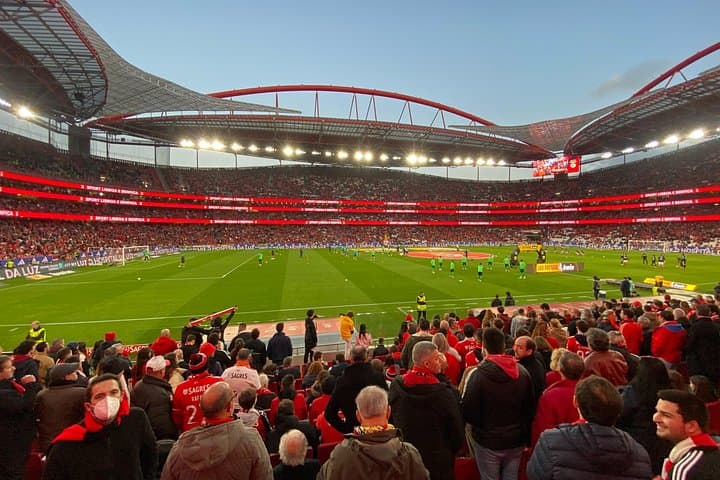

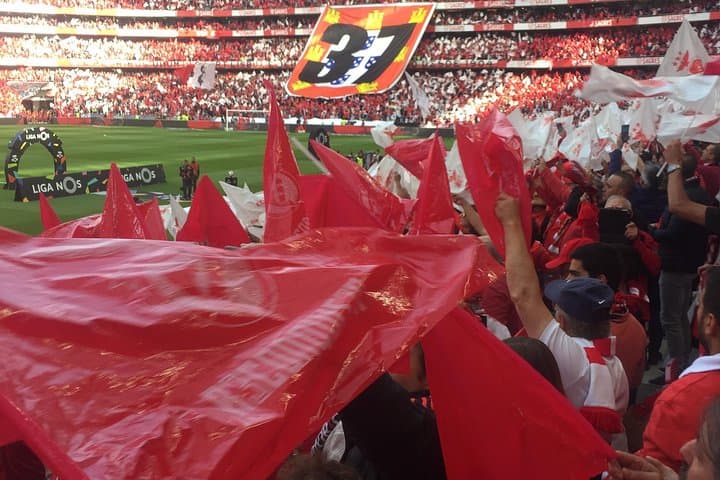
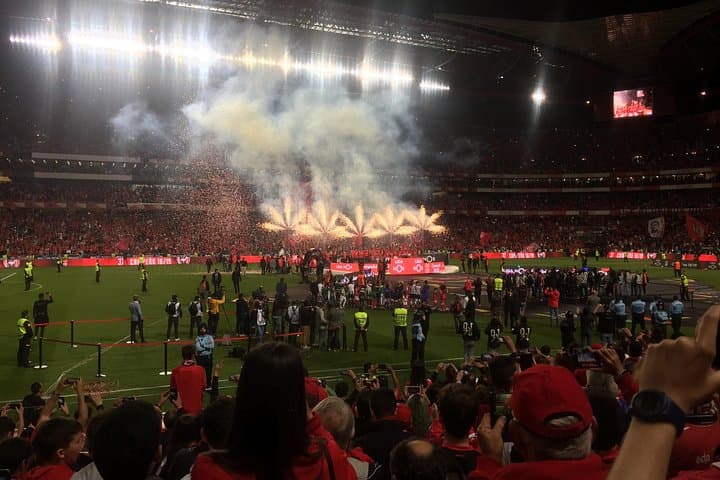
Walk up Avenida Padre Cruz and the stadium looms — a modern ring of red and glass where thousands will compress into a single, pulsing heartbeat. Inside Estádio da Luz the air tightens: scarves clap, drums set a quickening tempo, and the stands tilt into waves of red. A match day here is as much city ritual as sport — crowds moving like a current through Benfica’s neighborhood toward one of Portugal’s largest arenas.
Walk up Avenida Padre Cruz and the stadium looms — a modern ring of red and glass where thousands will compress into a single, pulsing heartbeat. Inside Estádio da Luz the air tightens: scarves clap, drums set a quickening tempo, and the stands tilt into waves of red. A match day here is as much city ritual as sport — crowds moving like a current through Benfica’s neighborhood toward one of Portugal’s largest arenas.
SL Benfica dates to 1904; the current Estádio da Luz opened in 2003 to replace the original mid‑20th century ground and has since hosted major fixtures, including the 2014 UEFA Champions League final. Geologically, Lisbon’s location on the Tagus estuary and the city’s seven hills shape arrival routes and local viewpoints; from higher streets you can glimpse the river that frames many match‑day pilgrimages. Culturally the day fuses football folklore, neighborhood taverns, and vocal support — the club’s eagle emblem and organized supporters’ groups give the stadium its personality.
Practical guidance: allow 60–90 minutes before kickoff for security checks and the museum or trophy room visit; public transport is the fastest option and often the only practical one on big match days. Expect stairs and long walks inside the bowl; bring ear protection if you’re sensitive to sustained noise. Hydrate and carry a lightweight rain layer in spring or autumn evenings. For visitors, respectful chanting and following steward instructions keeps the experience smooth.
Postgame, local bars and the nearby Monsanto park provide quieter exits and views back across the floodlit bowl — an easy way to close a charged Lisbon evening.