THE ADVENTURE COLLECTIVE® · Independent discovery and booking for outdoor travel

Ride the 6 train through forgotten platforms and follow a guide who pairs archival photos with on-foot stops at Fulton Center, City Hall park and Union Square. This private, two-hour tour reveals the engineering, politics and human labor beneath Manhattan’s streets.
Ride the 6 train through forgotten platforms and follow a guide who pairs archival photos with on-foot stops at Fulton Center, City Hall park and Union Square. This private, two-hour tour reveals the engineering, politics and human labor beneath Manhattan’s streets.
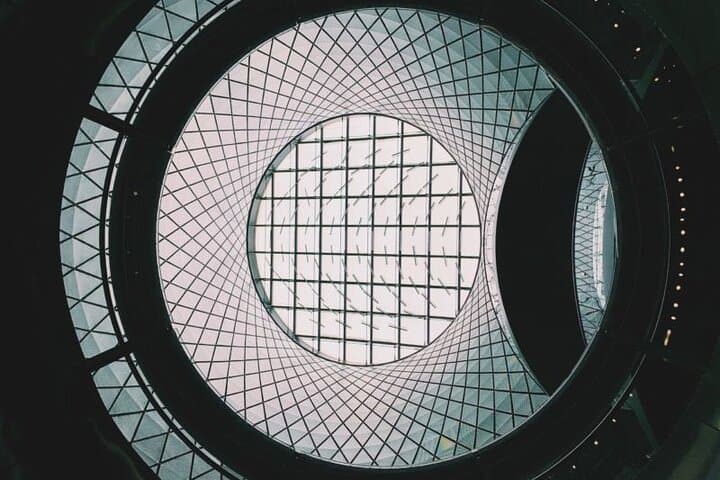
You step out onto Fulton Street and the city’s noise folds behind you; above, glass and steel catch morning light, below, the subway hums with history and motion.
Verified experiences and guided adventures in the surrounding area.
Operated by Untapped New York · New York, New York
You step out onto Fulton Street and the city’s noise folds behind you; above, glass and steel catch morning light, below, the subway hums with history and motion.
The two-hour Private Underground Subway Walking Tour threads streets, stations and a long-running civic story: from Alfred Ely Beach’s 1860s pneumatic transit prototype to the turn-of-the-century City Hall station you glimpse from passing trains. Guides use archival photos to place each ruin and renovation in context—Tweed Courthouse, Union Square, the evolution of the 6 train—so the subterranean system reads like a living urban archive.
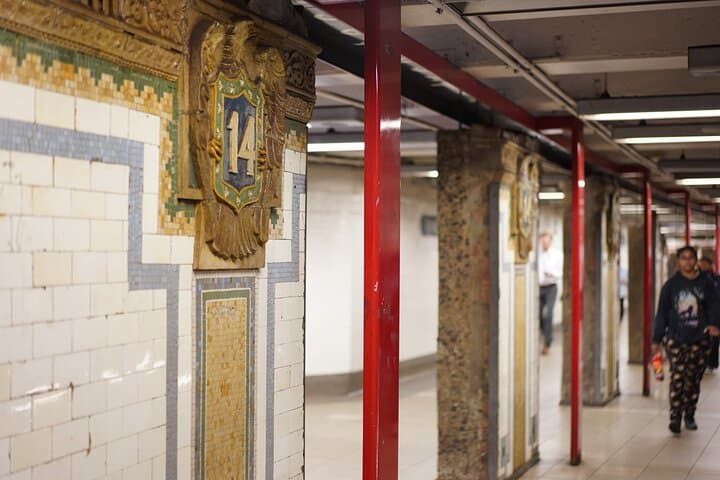
Geology and engineering share the stage: Manhattan schist and hand-hewn tunnel brickwork shaped routing and station design, while later steel and tile tell the story of expansion and municipal ambition. The tour emphasizes cultural currents—immigrant labor, political machines, and public art—that helped build and transform the system.
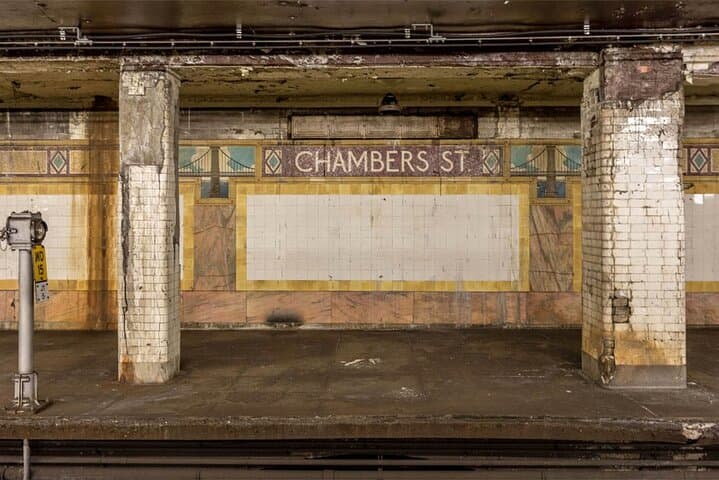
Practical details are straightforward. Meet outside 200 Broadway at Fulton Center; bring one MetroCard swipe or an OMNY tap to board trains. Expect city transit conditions—stairs, crowds at peak hours and damp, cooler air underground—so dress in layered clothing and wear solid walking shoes. Photographs and archival materials are part of the experience, but accessing abandoned stations is not permitted; the guide points them out from the platform or the moving train.
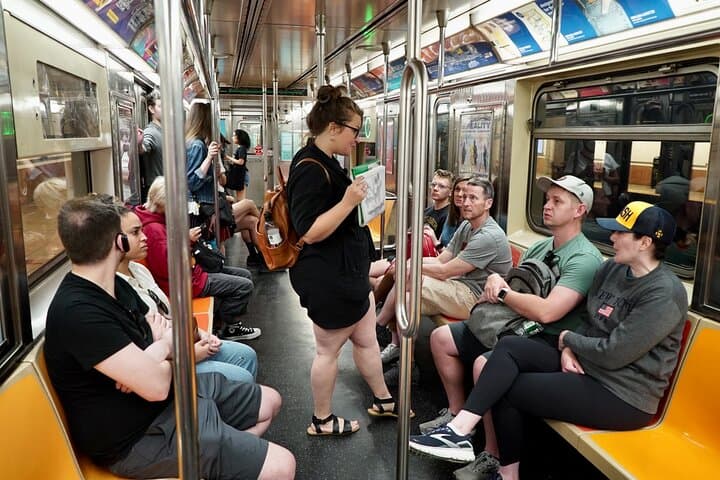
This is a walking-and-ride experience best for curious travelers who like history and urban infrastructure. It’s private, guided, and dense with stories—an above-and-below portrait of how New York moves and remembers.
easy.
2 hours.
Suitable for most fitness levels; involves up to 2 miles of walking and multiple flights of stairs.
No—the MTA does not permit public access; the guide points out abandoned stations from active platforms or trains and uses photos to illustrate their interiors.
The meeting point is outside 200 Broadway at the southeast corner of Broadway and Fulton Street (Fulton Center); the tour returns to the same general area.
Yes—strollers are allowed but be aware of stairs and crowded platforms; plan for some stairs or alternate routes where elevators aren’t available.
Each booking needs one MetroCard swipe or an OMNY tap; ensure your card or mobile payment is active before boarding.
The NYC subway began in 1904 but its roots include Alfred Ely Beach’s pneumatic tunnel in the 1860s and the political machine-era projects that financed early infrastructure.
Respect station signage and barriers—trespassing into closed infrastructure damages fragile historic fabric. Support responsible tourism by minimizing platform waste and following MTA rules.
Untapped New York operates guided outdoor trips and adventures with an emphasis on safety, stewardship, and memorable experiences.
You step out onto Fulton Street and the city’s noise folds behind you; above, glass and steel catch morning light, below, the subway hums with history and motion.
You step out onto Fulton Street and the city’s noise folds behind you; above, glass and steel catch morning light, below, the subway hums with history and motion.
The two-hour Private Underground Subway Walking Tour threads streets, stations and a long-running civic story: from Alfred Ely Beach’s 1860s pneumatic transit prototype to the turn-of-the-century City Hall station you glimpse from passing trains. Guides use archival photos to place each ruin and renovation in context—Tweed Courthouse, Union Square, the evolution of the 6 train—so the subterranean system reads like a living urban archive.
Geology and engineering share the stage: Manhattan schist and hand-hewn tunnel brickwork shaped routing and station design, while later steel and tile tell the story of expansion and municipal ambition. The tour emphasizes cultural currents—immigrant labor, political machines, and public art—that helped build and transform the system.
Practical details are straightforward. Meet outside 200 Broadway at Fulton Center; bring one MetroCard swipe or an OMNY tap to board trains. Expect city transit conditions—stairs, crowds at peak hours and damp, cooler air underground—so dress in layered clothing and wear solid walking shoes. Photographs and archival materials are part of the experience, but accessing abandoned stations is not permitted; the guide points them out from the platform or the moving train.
This is a walking-and-ride experience best for curious travelers who like history and urban infrastructure. It’s private, guided, and dense with stories—an above-and-below portrait of how New York moves and remembers.