THE ADVENTURE COLLECTIVE® · Independent discovery and booking for outdoor travel

Descend into a nine-century-old underground world on a half-day guided tour of the Wieliczka Salt Mine. Expect carved chapels, salt sculptures, steady cool air and several hundred stairs—perfect for curious travelers prepared for a brisk, physical visit.
Descend into a nine-century-old underground world on a half-day guided tour of the Wieliczka Salt Mine. Expect carved chapels, salt sculptures, steady cool air and several hundred stairs—perfect for curious travelers prepared for a brisk, physical visit.
You descend from Kraków’s bright streets into a cool, lamp-lit corridor where salt walls close in and the air tastes faintly mineral. The guided route carries you along carved staircases and vaulted chambers 135 meters below ground; light pools reflect off salt-carved altars and an underground lake waits in shadow.
Verified experiences and guided adventures in the surrounding area.
Operated by ExcitingKrakow · Wieliczka, Lesser Poland Voivodeship
You descend from Kraków’s bright streets into a cool, lamp-lit corridor where salt walls close in and the air tastes faintly mineral. The guided route carries you along carved staircases and vaulted chambers 135 meters below ground; light pools reflect off salt-carved altars and an underground lake waits in shadow.
The Wieliczka Salt Mine has been worked since medieval times—roughly nine centuries of extraction—and grew into a primitive underground city of tunnels, chapels and sculpture. Geologically it’s a halite landscape: compacted salt beds, brine pockets and drip-formed salt stalactites that miners shaped with chisels and devotion. Culturally the site speaks of miners’ guilds and pilgrimage—miners hand-carved the ornate Chapel of St. Kinga, a highlight on the tourist route.
On a practical level expect three kilometers of the tourist route, only stairs (several hundred steps total), and a steady 14°C (57°F) microclimate that many visitors find brisk and restorative. Tours run with licensed guides and typically take two hours underground within a half-day schedule that includes transport to and from Kraków.
Plan for comfortable, closed-toe shoes, a light jacket, and reasonable mobility: the route isn’t technical but is physically active. Photography is allowed in most chambers—watch for low headroom and damp steps. If you combine this with other sites (Auschwitz is a common add-on), prepare for a long day and book a licensed guide to get the most from the mine’s layered history and geology.
moderate.
5 hours (round trip from Kraków).
Moderate fitness recommended—able to climb and descend several hundred stairs and stand for portions of the tour
The standard visitor route runs to about 135 meters below ground and covers roughly 3 kilometers of pathways.
The public tourist route is accessible only by stairs; expect several hundred steps both down and up.
Children who can manage stairs generally do well; the route is not recommended for travelers with serious spinal or heart conditions or limited mobility.
Photography is generally permitted in most chambers—flash may be restricted in sensitive areas, so follow your guide’s instructions.
Wieliczka has been mined since the 13th century and evolved into an underground complex of chapels and sculptures created by generations of miners.
Visitor numbers are managed to protect the mine’s microclimate and fragile salt sculptures—stay on marked paths and avoid touching formations to limit damage.
ExcitingKrakow operates guided outdoor trips and adventures with an emphasis on safety, stewardship, and memorable experiences.
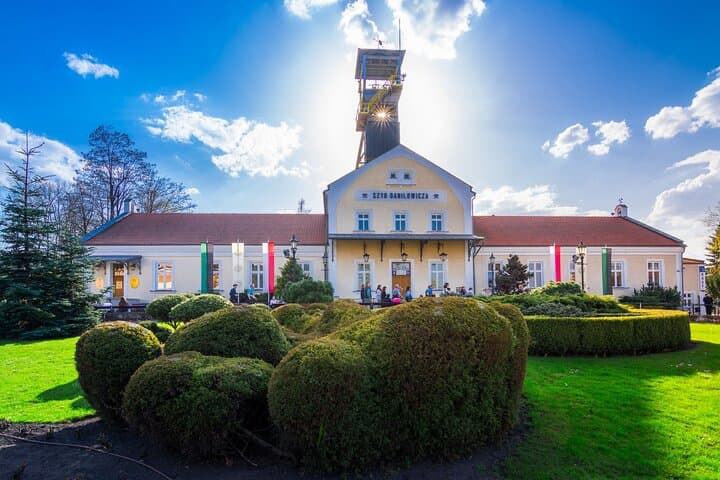
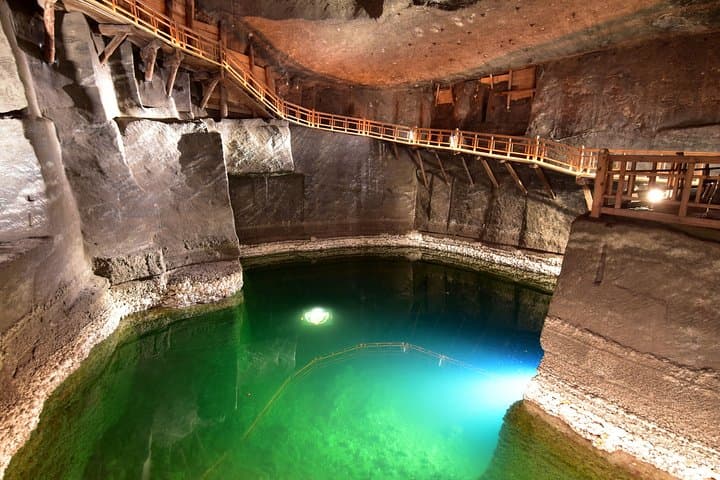
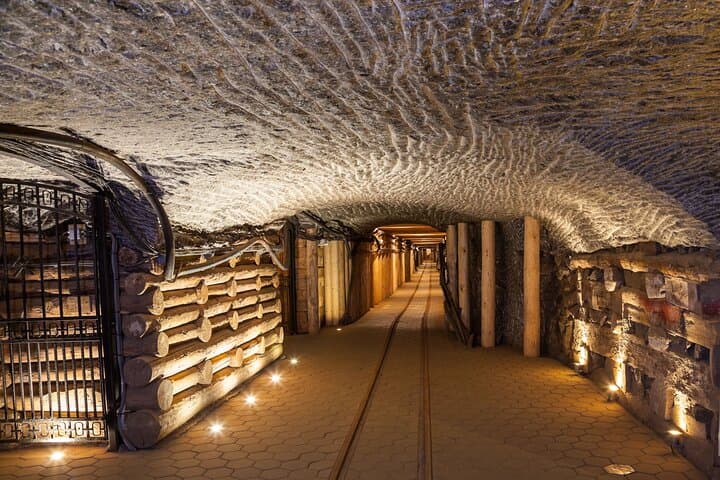
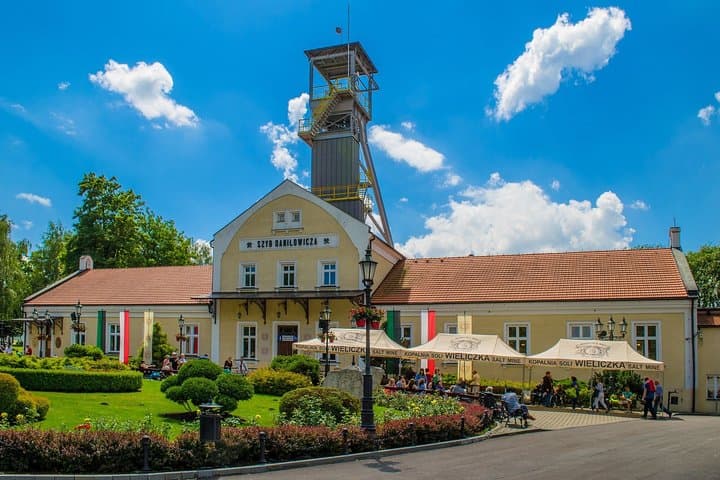
You descend from Kraków’s bright streets into a cool, lamp-lit corridor where salt walls close in and the air tastes faintly mineral. The guided route carries you along carved staircases and vaulted chambers 135 meters below ground; light pools reflect off salt-carved altars and an underground lake waits in shadow.
You descend from Kraków’s bright streets into a cool, lamp-lit corridor where salt walls close in and the air tastes faintly mineral. The guided route carries you along carved staircases and vaulted chambers 135 meters below ground; light pools reflect off salt-carved altars and an underground lake waits in shadow.
The Wieliczka Salt Mine has been worked since medieval times—roughly nine centuries of extraction—and grew into a primitive underground city of tunnels, chapels and sculpture. Geologically it’s a halite landscape: compacted salt beds, brine pockets and drip-formed salt stalactites that miners shaped with chisels and devotion. Culturally the site speaks of miners’ guilds and pilgrimage—miners hand-carved the ornate Chapel of St. Kinga, a highlight on the tourist route.
On a practical level expect three kilometers of the tourist route, only stairs (several hundred steps total), and a steady 14°C (57°F) microclimate that many visitors find brisk and restorative. Tours run with licensed guides and typically take two hours underground within a half-day schedule that includes transport to and from Kraków.
Plan for comfortable, closed-toe shoes, a light jacket, and reasonable mobility: the route isn’t technical but is physically active. Photography is allowed in most chambers—watch for low headroom and damp steps. If you combine this with other sites (Auschwitz is a common add-on), prepare for a long day and book a licensed guide to get the most from the mine’s layered history and geology.