THE ADVENTURE COLLECTIVE® · Independent discovery and booking for outdoor travel

A half‑day loop through rice terraces leads to two contrasting Lombok falls: the punchy 20m Benang Stokel and the veil‑like Benang Kelambu. Practical details on terrain, timing, and what to pack for a smooth visit.
A half‑day loop through rice terraces leads to two contrasting Lombok falls: the punchy 20m Benang Stokel and the veil‑like Benang Kelambu. Practical details on terrain, timing, and what to pack for a smooth visit.
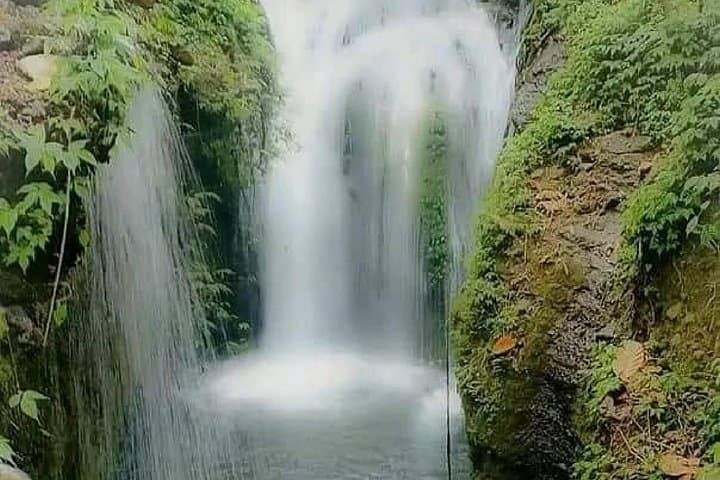
You arrive on a narrow village road, the air thick with rice-stem scent and the distant rumble of water that seems to promise something cool. Palm fronds sway as local farmers pass; the trail drops from a small parking area into a green bowl of terraces before the first plunge of Benang Stokel reveals itself — a clean, 20‑meter curtain fed by streams from Mount Rinjani.
Verified experiences and guided adventures in the surrounding area.
Operated by Gili Recommended · Senggigi, West Nusa Tenggara
You arrive on a narrow village road, the air thick with rice-stem scent and the distant rumble of water that seems to promise something cool. Palm fronds sway as local farmers pass; the trail drops from a small parking area into a green bowl of terraces before the first plunge of Benang Stokel reveals itself — a clean, 20‑meter curtain fed by streams from Mount Rinjani.
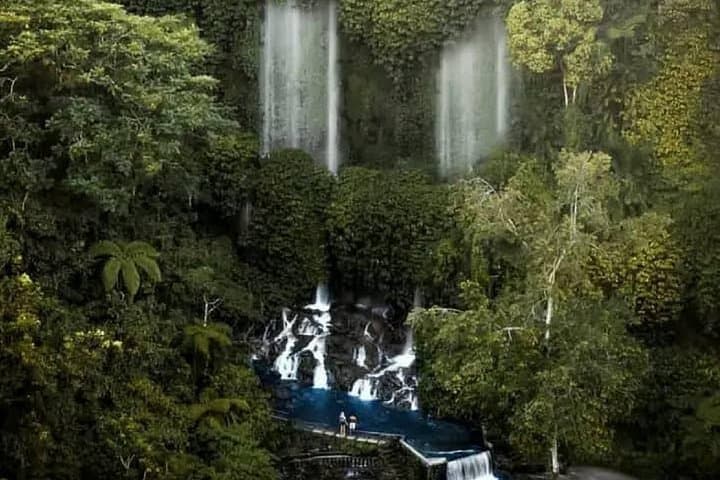
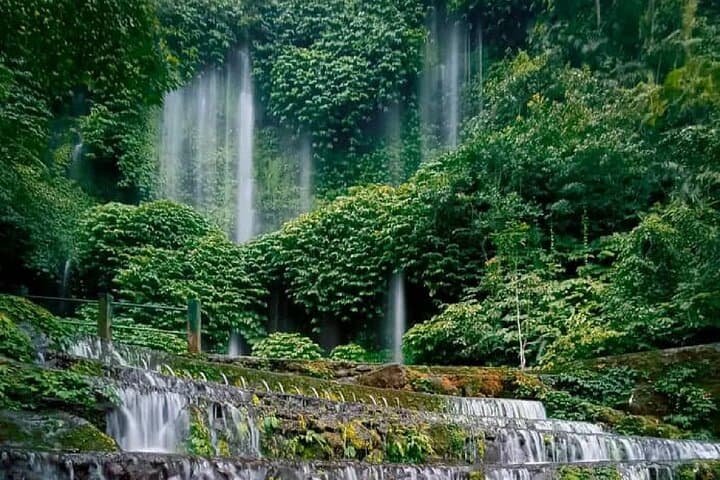
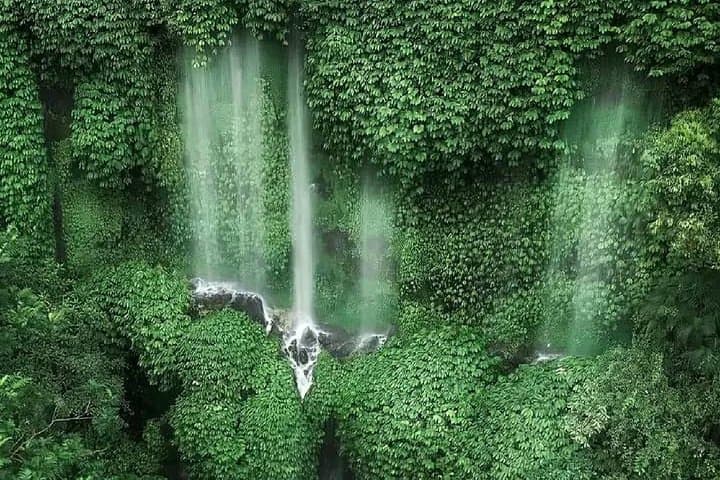
Geology here is straightforward: volcanic slopes channel highland rain through limestone and volcanic soils, carving stepped channels and pockets that form multiple cascades. Benang Kelambu earns its name — kelambu means "curtain" — where water threads through hanging plants into a thin, veiled sheet. Culturally, the falls sit near Sasak farming communities; rice terraces and irrigation channels (subak-style) are part of daily life and worth a respectful pause.
Expect a rural day tour of about five hours including transfers. The walking component is short but uneven: roughly 1–2 km roundtrip on dirt and stone steps with 50–150 m cumulative elevation change depending on route. Trails can be slick; comfortable waterproof shoes and modest clothing are appropriate around village areas. Bring water, insect repellent, and a light rain layer if clouds gather — the microclimate changes fast.
Plan an early start for drier paths and softer light for photos, and budget small cash for entrance fees and local guides. Respect private fields, leave no trace, and allow time to enjoy both the plunging Stokel and the delicate curtain of Kelambu before returning to the coast.
moderate.
5 hours.
Moderate fitness; short walks on uneven, sometimes steep steps and short uphill sections.
The walking distance between viewpoints and pools is short — typically 1–2 km roundtrip with variable steps; allow 30–60 minutes between falls depending on stops.
Some pools are safe for wading or a short swim, but currents vary and rocks are slippery; always assess conditions and follow local advice.
You can visit independently, but local guides add context on routes, etiquette, and safer paths, and help support the community.
Rainy season causes higher flow and muddy trails; some roads may be rough. Tours commonly include transfer time, so check pick‑up details and vehicle access.
The falls lie on streams that drain Mount Rinjani’s slopes; local irrigation practices and smallholder rice farming have shaped the valley for generations.
Stick to trails and carry out trash — increased visitation strains fragile riverbanks and village resources, so support community-run fees and guides.
Gili Recommended operates guided outdoor trips and adventures with an emphasis on safety, stewardship, and memorable experiences.
You arrive on a narrow village road, the air thick with rice-stem scent and the distant rumble of water that seems to promise something cool. Palm fronds sway as local farmers pass; the trail drops from a small parking area into a green bowl of terraces before the first plunge of Benang Stokel reveals itself — a clean, 20‑meter curtain fed by streams from Mount Rinjani.
You arrive on a narrow village road, the air thick with rice-stem scent and the distant rumble of water that seems to promise something cool. Palm fronds sway as local farmers pass; the trail drops from a small parking area into a green bowl of terraces before the first plunge of Benang Stokel reveals itself — a clean, 20‑meter curtain fed by streams from Mount Rinjani.
Geology here is straightforward: volcanic slopes channel highland rain through limestone and volcanic soils, carving stepped channels and pockets that form multiple cascades. Benang Kelambu earns its name — kelambu means "curtain" — where water threads through hanging plants into a thin, veiled sheet. Culturally, the falls sit near Sasak farming communities; rice terraces and irrigation channels (subak-style) are part of daily life and worth a respectful pause.
Expect a rural day tour of about five hours including transfers. The walking component is short but uneven: roughly 1–2 km roundtrip on dirt and stone steps with 50–150 m cumulative elevation change depending on route. Trails can be slick; comfortable waterproof shoes and modest clothing are appropriate around village areas. Bring water, insect repellent, and a light rain layer if clouds gather — the microclimate changes fast.
Plan an early start for drier paths and softer light for photos, and budget small cash for entrance fees and local guides. Respect private fields, leave no trace, and allow time to enjoy both the plunging Stokel and the delicate curtain of Kelambu before returning to the coast.