THE ADVENTURE COLLECTIVE® · Independent discovery and booking for outdoor travel

A private day tour that pairs two accessible Mount Rinjani‑fed waterfalls with a historic Balinese palace. Expect short walks, cold plunge pools and a cultural stop—ideal for travelers seeking scenic, low‑technical exploration.
A private day tour that pairs two accessible Mount Rinjani‑fed waterfalls with a historic Balinese palace. Expect short walks, cold plunge pools and a cultural stop—ideal for travelers seeking scenic, low‑technical exploration.
You step from an air‑conditioned minivan into humid, green hush—waterfalls call from the riveted cliffs below Mount Rinjani’s foothills, and the air tastes of river and wet stone.
Verified experiences and guided adventures in the surrounding area.
Operated by Bali Private Driver Club · Mataram, West Nusa Tenggara
You step from an air‑conditioned minivan into humid, green hush—waterfalls call from the riveted cliffs below Mount Rinjani’s foothills, and the air tastes of river and wet stone.
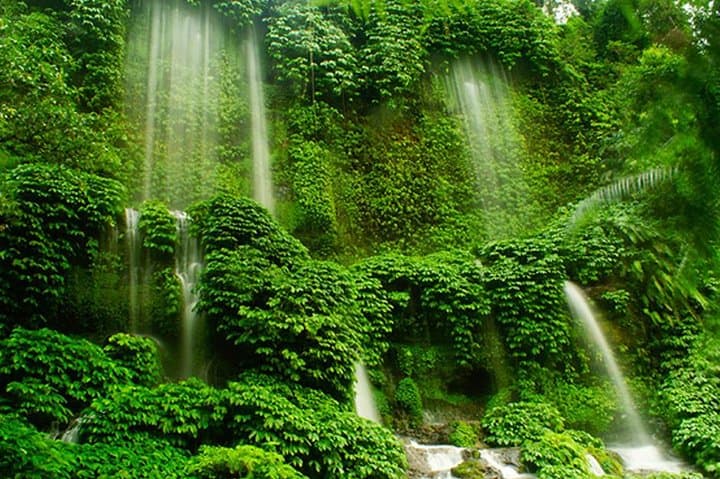
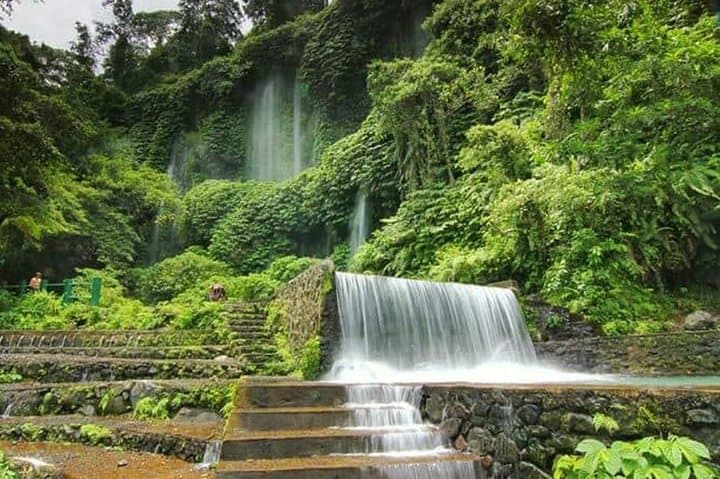
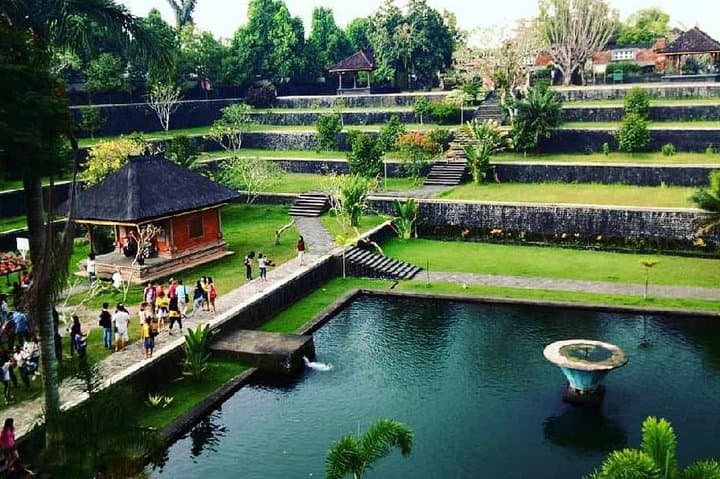
Benang Stokel and Benang Kelambu are compact cascades fed by Rinjani’s highland drainage; Kelambu drops in a fine veil over a mossy amphitheater while Stokel hits a deeper plunge pool. The tour pairs the falls with a small royal compound built in 1805 that offers a cultural counterpoint: a miniature model of Rinjani and a temple motif that speaks to Bali’s historical reach into Lombok.
Geologically, flows here trace volcanic slopes—water chisels terraces of volcanic tuff and andesite, creating narrow canyons and cold springs. Locals from Sasak and Balinese communities maintain small rice plots and shrines; you’ll notice offerings and carved doorways along village routes.
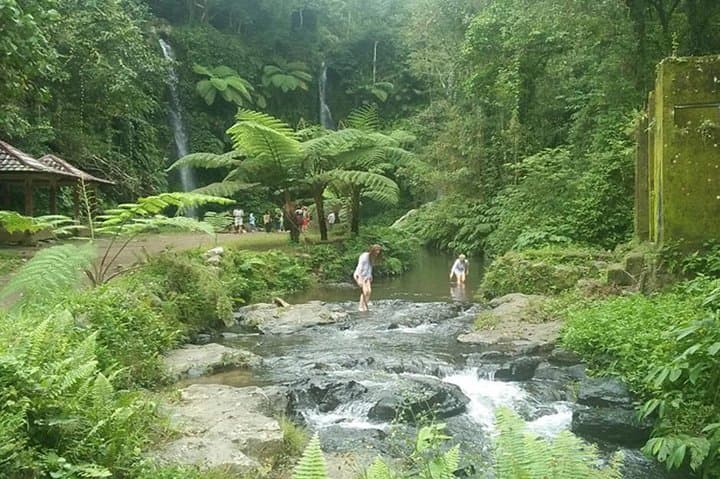
Practically, this is a full‑day, low‑technical hike: short trails, stone steps and slippery flagstones. Expect 10–30 minutes of walking around each fall and time for changing into water shoes if you want to wade. Bring small bills for entrance fees and support local stalls that sell snacks and coconut water.
Timing matters: mornings are cooler and quieter; rains (November–March) swell the falls but make paths slick. Wear sturdy, quick‑dry shoes, carry a waterproof layer and a daypack with water and sunscreen. The payoff is immediate—cold, clear plunges, a chance to stand under falling water, and a concise preview of Rinjani’s wider wildness.
easy.
8 hours.
Light fitness for short walks and stair sections; suitable for most travelers comfortable with brief uneven terrain.
Trails at each fall are short—typically 10–30 minutes of walking with some steps and uneven stone; most people spend 20–60 minutes at each site to explore.
Kelambu and Stokel have plunge pools suitable for wading; swimming depends on water level and currents—follow guide advice and avoid strong flows during heavy rain.
Yes, small entrance fees apply and are usually included in organized tours, but bring local cash for any additional local charges or donations.
The tour is low‑impact and suitable for families and older travelers with basic mobility, but those with serious back or heart conditions are advised against participation.
The palace stop references a Balinese royal presence from the early 19th century; architectural motifs show the cultural overlap between Balinese and Sasak communities in Lombok.
High visitor numbers and litter can affect fragile riverine vegetation; stick to paths, pack out waste and support local guides who practice low‑impact visitation.
Bali Private Driver Club operates guided outdoor trips and adventures with an emphasis on safety, stewardship, and memorable experiences.
You step from an air‑conditioned minivan into humid, green hush—waterfalls call from the riveted cliffs below Mount Rinjani’s foothills, and the air tastes of river and wet stone.
You step from an air‑conditioned minivan into humid, green hush—waterfalls call from the riveted cliffs below Mount Rinjani’s foothills, and the air tastes of river and wet stone.
Benang Stokel and Benang Kelambu are compact cascades fed by Rinjani’s highland drainage; Kelambu drops in a fine veil over a mossy amphitheater while Stokel hits a deeper plunge pool. The tour pairs the falls with a small royal compound built in 1805 that offers a cultural counterpoint: a miniature model of Rinjani and a temple motif that speaks to Bali’s historical reach into Lombok.
Geologically, flows here trace volcanic slopes—water chisels terraces of volcanic tuff and andesite, creating narrow canyons and cold springs. Locals from Sasak and Balinese communities maintain small rice plots and shrines; you’ll notice offerings and carved doorways along village routes.
Practically, this is a full‑day, low‑technical hike: short trails, stone steps and slippery flagstones. Expect 10–30 minutes of walking around each fall and time for changing into water shoes if you want to wade. Bring small bills for entrance fees and support local stalls that sell snacks and coconut water.
Timing matters: mornings are cooler and quieter; rains (November–March) swell the falls but make paths slick. Wear sturdy, quick‑dry shoes, carry a waterproof layer and a daypack with water and sunscreen. The payoff is immediate—cold, clear plunges, a chance to stand under falling water, and a concise preview of Rinjani’s wider wildness.