THE ADVENTURE COLLECTIVE® · Independent discovery and booking for outdoor travel

A six-hour private day trip from central Lombok that pairs forested waterfalls with authentic Sasak village life and a sunset hilltop view. Expect short hikes, cool plunge pools, and cultural encounters in Sade Village.
A six-hour private day trip from central Lombok that pairs forested waterfalls with authentic Sasak village life and a sunset hilltop view. Expect short hikes, cool plunge pools, and cultural encounters in Sade Village.
You step off the air-conditioned vehicle into cool, forested air and the steady hiss of falling water — Benang Setokel announces itself before you see it, a curtain of clear mountain runoff threading through ferns.
Verified experiences and guided adventures in the surrounding area.
Operated by CAN Tours · Mataram, West Nusa Tenggara
You step off the air-conditioned vehicle into cool, forested air and the steady hiss of falling water — Benang Setokel announces itself before you see it, a curtain of clear mountain runoff threading through ferns.
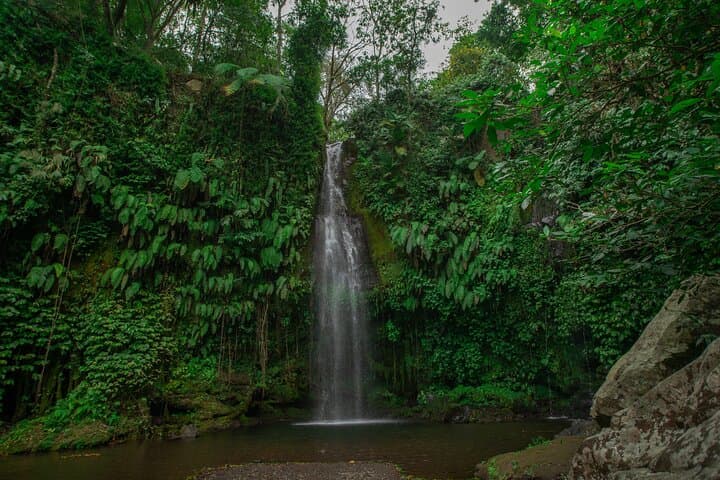
These twin falls sit on the southern flank of Mount Rinjani within Mount Rinjani National Park, formed where volcanic slopes and heavy tropical rains carve basalt channels into pools. The day moves from splash and moss at Benang Setokel and a steeper scramble to the more secluded Benang Kelambu, to the stone-walled compounds of Sade Village where Sasak weavers still practice age-old techniques, and finishes atop Merese Hill with grassland views that fold to the sea at sunset.
Geology here is recent: volcanic rock and riverine terraces shaped by Rinjani's eruptions and seasonal monsoon runoff. Culturally, Sade preserves Sasak houses, thatched lumbuk roofs, and weaving that links island identity to rice terraces and cattle livelihoods.
Practical guidance: give yourself 6 hours, wear grippy shoes for muddy footpaths and a short steep descent to Benang Kelambu, and bring a quick-dry layer — mornings are cool, midday humid. Guides typically include bottled water, entrance fees and private transport from Mataram or southern hubs. Expect simple footpaths, uneven steps, and shallow pools suitable for swimming; swimmers should check currents and avoid the falls after heavy rain.
Timing tip: late afternoon at Merese Hill avoids mid-day heat and delivers the best light for photos; conserve plastic by carrying a refillable bottle.
moderate.
6 hours.
Moderate fitness—able to walk uneven forest paths, short steep sections, and brief stairs; not technical.
Trails range from easy flat approaches to a steeper, short descent to Benang Kelambu; moderate fitness and steady footwear are recommended.
Yes—there are shallow pools suitable for swimming at low-to-normal flows; avoid swimming after heavy rain when currents increase.
Yes, Sade is a living Sasak village where residents maintain traditional houses and crafts—visit respectfully and follow guide instructions.
Late afternoon toward sunset offers cooler temperatures and a reddish sky over the sea, ideal for photography and finishing the day.
The area lies within Mount Rinjani National Park; Sasak communities have occupied southern slopes for centuries and maintain weaving and agricultural traditions.
Visitors are encouraged to minimize plastic, stay on marked paths to limit erosion, and support local guides and village economies to promote sustainable tourism.
CAN Tours operates guided outdoor trips and adventures with an emphasis on safety, stewardship, and memorable experiences.
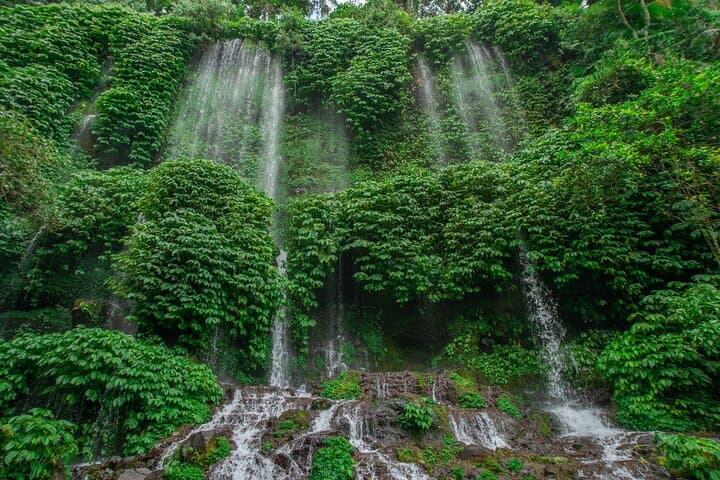
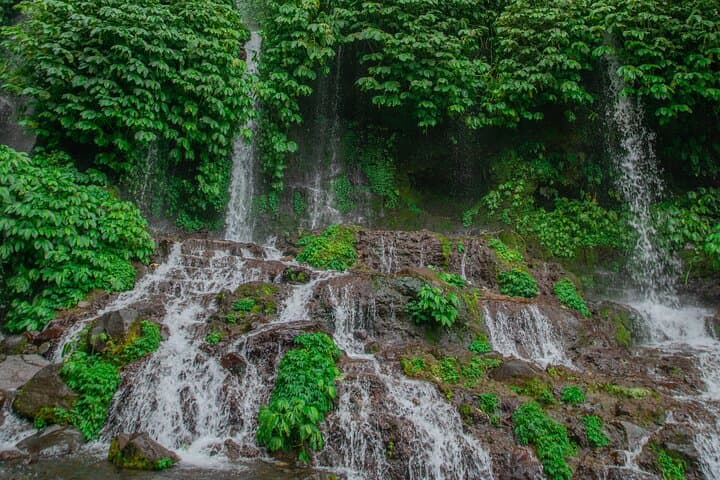
You step off the air-conditioned vehicle into cool, forested air and the steady hiss of falling water — Benang Setokel announces itself before you see it, a curtain of clear mountain runoff threading through ferns.
You step off the air-conditioned vehicle into cool, forested air and the steady hiss of falling water — Benang Setokel announces itself before you see it, a curtain of clear mountain runoff threading through ferns.
These twin falls sit on the southern flank of Mount Rinjani within Mount Rinjani National Park, formed where volcanic slopes and heavy tropical rains carve basalt channels into pools. The day moves from splash and moss at Benang Setokel and a steeper scramble to the more secluded Benang Kelambu, to the stone-walled compounds of Sade Village where Sasak weavers still practice age-old techniques, and finishes atop Merese Hill with grassland views that fold to the sea at sunset.
Geology here is recent: volcanic rock and riverine terraces shaped by Rinjani's eruptions and seasonal monsoon runoff. Culturally, Sade preserves Sasak houses, thatched lumbuk roofs, and weaving that links island identity to rice terraces and cattle livelihoods.
Practical guidance: give yourself 6 hours, wear grippy shoes for muddy footpaths and a short steep descent to Benang Kelambu, and bring a quick-dry layer — mornings are cool, midday humid. Guides typically include bottled water, entrance fees and private transport from Mataram or southern hubs. Expect simple footpaths, uneven steps, and shallow pools suitable for swimming; swimmers should check currents and avoid the falls after heavy rain.
Timing tip: late afternoon at Merese Hill avoids mid-day heat and delivers the best light for photos; conserve plastic by carrying a refillable bottle.