THE ADVENTURE COLLECTIVE® · Independent discovery and booking for outdoor travel

Cruise from Vilamoura Marina through ochre cliffs and sea-carved caves to the famous Benagil grotto, then scan the swells for bottlenose dolphins on this 2.5-hour boat tour. Expect close cave approaches, coastal history from your guide, and practical tips for the best light and calmer seas.
Cruise from Vilamoura Marina through ochre cliffs and sea-carved caves to the famous Benagil grotto, then scan the swells for bottlenose dolphins on this 2.5-hour boat tour. Expect close cave approaches, coastal history from your guide, and practical tips for the best light and calmer seas.
You push off from Vilamoura Marina as the sun has only just warmed the stone façades. The boat rocks with a steady, human rhythm — engines, conversation, the occasional gull — and then the sea opens, its surface reflecting a coastline carved by long, patient tides. Cliffs of ochre and honey lean toward the water like old maps, and every cut and alcove promises a new angle of the Algarve’s geological story.
Verified experiences and guided adventures in the surrounding area.
Operated by Nauticdrive · Vilamoura, Algarve
You push off from Vilamoura Marina as the sun has only just warmed the stone façades. The boat rocks with a steady, human rhythm — engines, conversation, the occasional gull — and then the sea opens, its surface reflecting a coastline carved by long, patient tides. Cliffs of ochre and honey lean toward the water like old maps, and every cut and alcove promises a new angle of the Algarve’s geological story.
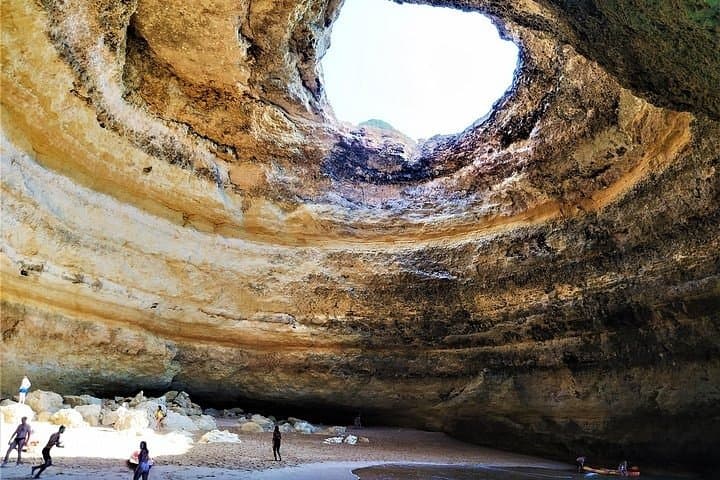
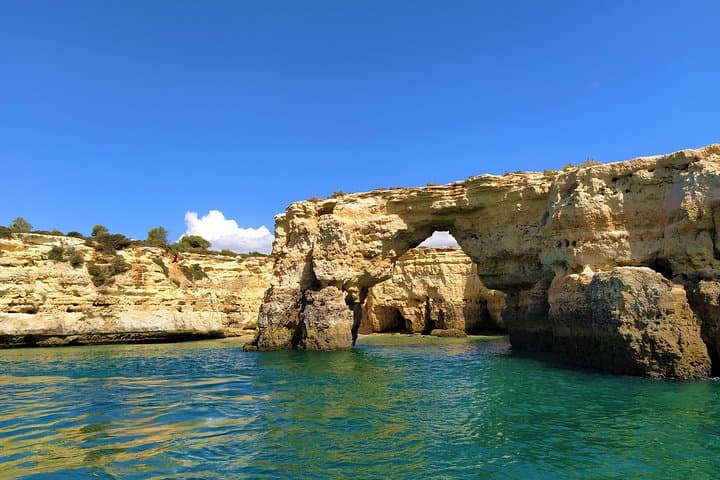
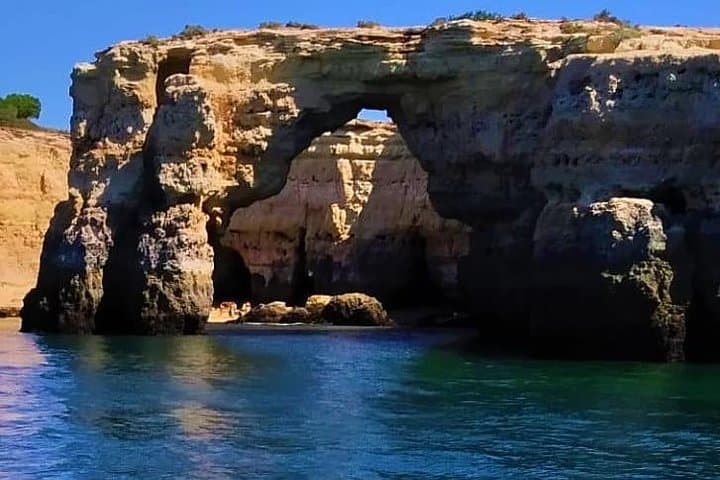
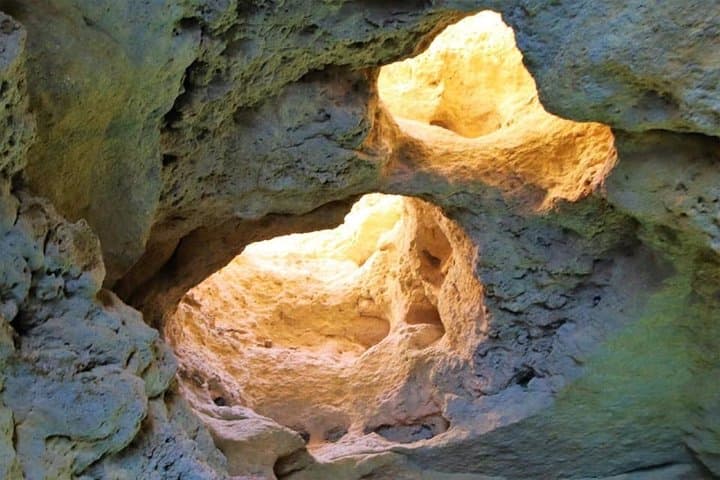
History and geology are never far from the surface here. The limestone that shapes Benagil and the surrounding headlands started as seabed sediment millions of years ago; wind and wave have since become sculptors, hollowing caverns and arches. Local fishermen and mariners once used these natural ports and caves for shelter; today small boats thread through their mouths, giving passengers a close-up view of erosion in action. Along the way, the guide points out Praia da Falésia’s red cliffs, the celebrated soft limestone of Praia da Marinha, and a curious formation known locally as the Valentine’s Arch.
Cultural touches punctuate the ride. In summer, families pour onto golden beaches; in shoulder seasons fishermen mend nets and point out shoals where fish concentrate. The guides tell quick legends — who carved what, where lovers come to make wishes — and talk about the marine life that claims this stretch of sea as home. Dolphins, most often bottlenose and occasionally common dolphins, ride the bow wave or surface near the boat with an easy curiosity, as if to check who’s passing through their territory.
Practical matters: the tour is approximately 2.5 hours from Vilamoura Marina and runs in a loop that includes several cave visits and a dedicated dolphin-watching leg. Boats take up to 18 guests; check-in is 30 minutes before departure at Office 15 by the marina. The company will enter some caves when sea conditions allow — low swell and good visibility make for the best passage — but cave entry can be restricted for safety. Children are welcome but the trip is not recommended for people with spinal or serious heart issues, or pregnant travellers.
Timing and gear matter. Mornings deliver calmer seas and softer light for photos; late afternoon can create dramatic shadows on the cliffs. Wear layered sun protection, non-slip shoes, and bring motion-sickness meds if you’re sensitive. Respect the animals: keep noise low and follow crew instructions when dolphins appear to avoid disturbance.
The reward is elemental and immediate: rock and water, light and motion, and the unpredictable lift of dolphins greeting a passing boat. It’s a short trip that gives a tidy primer in Algarve coastal geology and, if luck leans your way, an unforgettable window into wild marine life.
easy.
2–3 hours.
Basic mobility and ability to move on a small boat; suitable for most fitness levels but not for those with certain medical conditions.
The tour lasts about 2.5 hours (150 minutes) including cave visits and a dolphin-watching section.
The crew attempts cave entry when sea conditions allow; high swell or rough weather can prevent safe access for safety reasons.
Bottlenose dolphins are the most commonly seen species; common dolphins and other marine life are possible depending on season and sea conditions.
Yes—children are welcome, but operators note the tour isn’t recommended for infants under 4 years or travelers with spinal, heart conditions, or pregnancy.
Meet at Office 15, Marina de Vilamoura (marina entry next to Lake Resort) 30 minutes before the scheduled departure time.
Full refunds are available if you cancel at least 24 hours before departure; trips may be canceled for bad weather or insufficient travelers.
Fishermen historically used the Algarve’s caves for shelter and storage; the shape of the coastline today reflects millennia of marine erosion of sedimentary limestone.
Operators follow local guidelines to minimize disturbance to marine life; guests are asked to keep noise low and avoid throwing objects into the water.
Nauticdrive operates guided outdoor trips and adventures with an emphasis on safety, stewardship, and memorable experiences.
You push off from Vilamoura Marina as the sun has only just warmed the stone façades. The boat rocks with a steady, human rhythm — engines, conversation, the occasional gull — and then the sea opens, its surface reflecting a coastline carved by long, patient tides. Cliffs of ochre and honey lean toward the water like old maps, and every cut and alcove promises a new angle of the Algarve’s geological story.
You push off from Vilamoura Marina as the sun has only just warmed the stone façades. The boat rocks with a steady, human rhythm — engines, conversation, the occasional gull — and then the sea opens, its surface reflecting a coastline carved by long, patient tides. Cliffs of ochre and honey lean toward the water like old maps, and every cut and alcove promises a new angle of the Algarve’s geological story.
History and geology are never far from the surface here. The limestone that shapes Benagil and the surrounding headlands started as seabed sediment millions of years ago; wind and wave have since become sculptors, hollowing caverns and arches. Local fishermen and mariners once used these natural ports and caves for shelter; today small boats thread through their mouths, giving passengers a close-up view of erosion in action. Along the way, the guide points out Praia da Falésia’s red cliffs, the celebrated soft limestone of Praia da Marinha, and a curious formation known locally as the Valentine’s Arch.
Cultural touches punctuate the ride. In summer, families pour onto golden beaches; in shoulder seasons fishermen mend nets and point out shoals where fish concentrate. The guides tell quick legends — who carved what, where lovers come to make wishes — and talk about the marine life that claims this stretch of sea as home. Dolphins, most often bottlenose and occasionally common dolphins, ride the bow wave or surface near the boat with an easy curiosity, as if to check who’s passing through their territory.
Practical matters: the tour is approximately 2.5 hours from Vilamoura Marina and runs in a loop that includes several cave visits and a dedicated dolphin-watching leg. Boats take up to 18 guests; check-in is 30 minutes before departure at Office 15 by the marina. The company will enter some caves when sea conditions allow — low swell and good visibility make for the best passage — but cave entry can be restricted for safety. Children are welcome but the trip is not recommended for people with spinal or serious heart issues, or pregnant travellers.
Timing and gear matter. Mornings deliver calmer seas and softer light for photos; late afternoon can create dramatic shadows on the cliffs. Wear layered sun protection, non-slip shoes, and bring motion-sickness meds if you’re sensitive. Respect the animals: keep noise low and follow crew instructions when dolphins appear to avoid disturbance.
The reward is elemental and immediate: rock and water, light and motion, and the unpredictable lift of dolphins greeting a passing boat. It’s a short trip that gives a tidy primer in Algarve coastal geology and, if luck leans your way, an unforgettable window into wild marine life.