THE ADVENTURE COLLECTIVE® · Independent discovery and booking for outdoor travel

Drive west from Sofia for a day among towering limestone spires and a medieval fortress carved into the cliff. This private tour pairs local storytelling with geology and panoramic viewpoints — ideal for photographers and travelers who prefer a guided, door-to-door day trip.
Drive west from Sofia for a day among towering limestone spires and a medieval fortress carved into the cliff. This private tour pairs local storytelling with geology and panoramic viewpoints — ideal for photographers and travelers who prefer a guided, door-to-door day trip.
You step out of the air-conditioned van and the rocks take the first breath — a row of red-and-gray pillars that seem to lean in to listen. Wind has carved faces into limestone for millions of years; up close the slabs feel oddly deliberate, like sculptures left by a patient hand. Your guide folds a local map into their palm, points to a cluster of names — The Madonna, The Schoolgirl, The Bear — and the walk becomes a short story told by stone.
Verified experiences and guided adventures in the surrounding area.
Operated by taxiGo Limo Airport Service · Belogradchik, Vidin Province
You step out of the air-conditioned van and the rocks take the first breath — a row of red-and-gray pillars that seem to lean in to listen. Wind has carved faces into limestone for millions of years; up close the slabs feel oddly deliberate, like sculptures left by a patient hand. Your guide folds a local map into their palm, points to a cluster of names — The Madonna, The Schoolgirl, The Bear — and the walk becomes a short story told by stone.
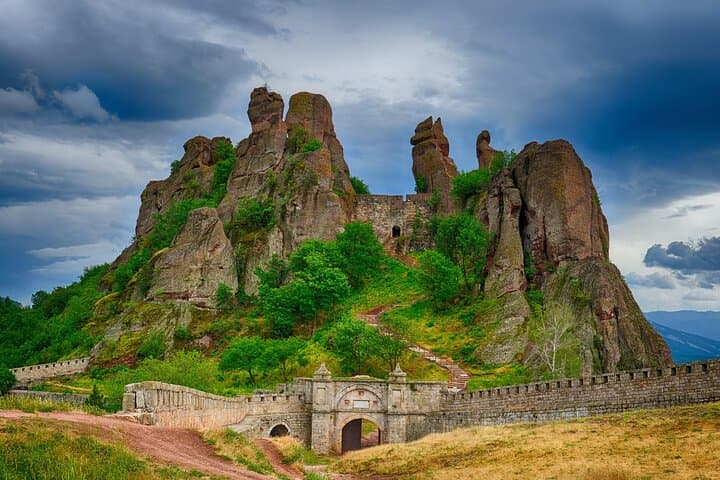
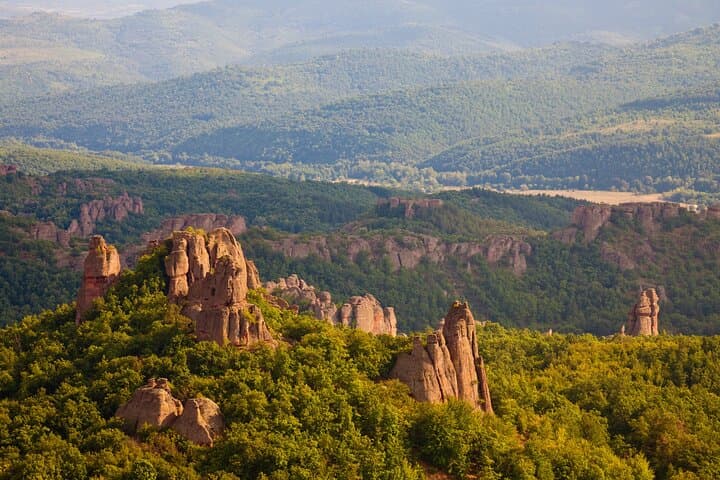
The Belogradchik Rocks occupy a 3-kilometer-wide, 30-kilometer-long band where Mesozoic seas once pooled. Compression and marine sediments produced vast limestone beds about 230 million years ago; erosion over the last 45 million years peeled those beds into towers, arches and discs. People have read meaning into the forms for centuries. The medieval Belogradchik Fortress (Kaleto) was laid against this geology to control the route from Sofia to the Danube; the walls climb the rocks, using natural ramparts as if the landscape itself were an ally.
Culture here is rural and direct: small-town vendors sell burek and sun-dried peppers near the fortress gate, and local guides frame legends that mix Ottoman, Bulgarian and village lore. Caves beneath the rocks hold prehistoric and Roman traces, and a short drive will bring you to Magura Cave’s prehistoric panels — a quieter companion to the main formations.
Practically speaking, the private day trip from Sofia is a 9-hour outing (about 540 minutes), with round-trip pickup and drop-off. Expect 2–4 km of mostly uneven walking across the rock viewpoints and 100–200 stone steps up to the fortress ramparts; the terrain is limestone, with short steep sections and stairways rather than long climbs. Wear sturdy shoes with good traction and leave room in your schedule for photography stops and a relaxed lunch in town.
Timing matters: mornings carry cleaner light and fewer buses; late afternoon slants sunlight into the nooks of the rock faces. If you travel in summer, come early to avoid heat on exposed ledges; in wet seasons the limestone can be slick. Guides provided on the tour supply context that turns names carved by erosion into stories worth remembering.
Tips to plan: bring water, layered clothing for windblown ridges, a compact rain shell, and local currency for fortress admission and snacks. Respect the formations — climbing on fragile features accelerates erosion, and staying on marked paths preserves viewpoints for the next travelers.
By the time you return to Sofia the rocks will have shifted back into being geological neighbors rather than characters — but the images linger: a shepherd boy in profile, a mushroom cap balanced on a pedestal, the fortress gates holding centuries of passage.
moderate.
9 hours.
Moderate fitness: comfortable with short steep sections and stair climbs; able to walk 2–4 km on uneven terrain.
The drive is approximately 3–3.5 hours one-way, depending on traffic and route; your private tour includes round-trip transport.
No — fortress admission is typically paid on site (cash accepted); the guide will coordinate entry and timing.
No long hikes: expect short walking loops around viewpoints and stair climbs to the ramparts totaling 2–4 km on uneven ground.
Yes — it’s a private tour; notify the operator when booking about mobility constraints or food preferences so they can adapt stops and timing.
Layered clothing, sturdy shoes for limestone surfaces, sun protection in summer, and a light jacket for wind on exposed ridges.
Children are welcome; infant seats are available in vehicles but stair sections at the fortress may be difficult for strollers.
The fortress and rock defenses controlled strategic routes from Sofia to the Danube; the site was adapted through medieval and Ottoman periods into a complex of walls and gates.
Stay on marked paths and avoid climbing on formations; supporting local guides helps preserve sites and funnels tourism benefits to nearby communities.
taxiGo Limo Airport Service operates guided outdoor trips and adventures with an emphasis on safety, stewardship, and memorable experiences.
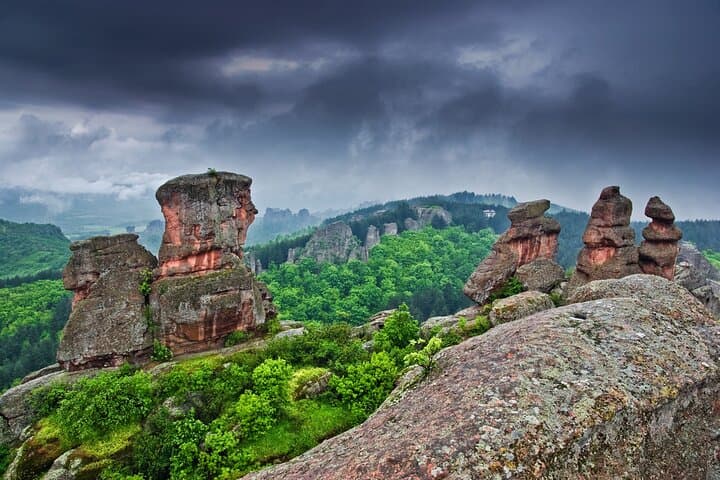

You step out of the air-conditioned van and the rocks take the first breath — a row of red-and-gray pillars that seem to lean in to listen. Wind has carved faces into limestone for millions of years; up close the slabs feel oddly deliberate, like sculptures left by a patient hand. Your guide folds a local map into their palm, points to a cluster of names — The Madonna, The Schoolgirl, The Bear — and the walk becomes a short story told by stone.
You step out of the air-conditioned van and the rocks take the first breath — a row of red-and-gray pillars that seem to lean in to listen. Wind has carved faces into limestone for millions of years; up close the slabs feel oddly deliberate, like sculptures left by a patient hand. Your guide folds a local map into their palm, points to a cluster of names — The Madonna, The Schoolgirl, The Bear — and the walk becomes a short story told by stone.
The Belogradchik Rocks occupy a 3-kilometer-wide, 30-kilometer-long band where Mesozoic seas once pooled. Compression and marine sediments produced vast limestone beds about 230 million years ago; erosion over the last 45 million years peeled those beds into towers, arches and discs. People have read meaning into the forms for centuries. The medieval Belogradchik Fortress (Kaleto) was laid against this geology to control the route from Sofia to the Danube; the walls climb the rocks, using natural ramparts as if the landscape itself were an ally.
Culture here is rural and direct: small-town vendors sell burek and sun-dried peppers near the fortress gate, and local guides frame legends that mix Ottoman, Bulgarian and village lore. Caves beneath the rocks hold prehistoric and Roman traces, and a short drive will bring you to Magura Cave’s prehistoric panels — a quieter companion to the main formations.
Practically speaking, the private day trip from Sofia is a 9-hour outing (about 540 minutes), with round-trip pickup and drop-off. Expect 2–4 km of mostly uneven walking across the rock viewpoints and 100–200 stone steps up to the fortress ramparts; the terrain is limestone, with short steep sections and stairways rather than long climbs. Wear sturdy shoes with good traction and leave room in your schedule for photography stops and a relaxed lunch in town.
Timing matters: mornings carry cleaner light and fewer buses; late afternoon slants sunlight into the nooks of the rock faces. If you travel in summer, come early to avoid heat on exposed ledges; in wet seasons the limestone can be slick. Guides provided on the tour supply context that turns names carved by erosion into stories worth remembering.
Tips to plan: bring water, layered clothing for windblown ridges, a compact rain shell, and local currency for fortress admission and snacks. Respect the formations — climbing on fragile features accelerates erosion, and staying on marked paths preserves viewpoints for the next travelers.
By the time you return to Sofia the rocks will have shifted back into being geological neighbors rather than characters — but the images linger: a shepherd boy in profile, a mushroom cap balanced on a pedestal, the fortress gates holding centuries of passage.