THE ADVENTURE COLLECTIVE® · Independent discovery and booking for outdoor travel

Spend a full day exploring a nearby cloud forest north of Quito—guided walks, abundant birdlife, and volcano views in one accessible itinerary. Ideal for first-time cloud-forest visitors who want easy trails and high wildlife payoff.
Spend a full day exploring a nearby cloud forest north of Quito—guided walks, abundant birdlife, and volcano views in one accessible itinerary. Ideal for first-time cloud-forest visitors who want easy trails and high wildlife payoff.
Mist sits low among moss-draped trees as you step from the lodge porch into a world of damp leaves and thin, cool air. Trails climb and level through a green room of epiphytes; hummingbirds flash like quicksilver while a distant stream dares you to follow its ribbon downhill. The day begins with a breakfast facing rolling volcanic slopes, moves into two guided walks through well-marked trails, and ends with lunch before the return drive to Quito.
Verified experiences and guided adventures in the surrounding area.
Operated by Tangol · Quito, Pichincha
Mist sits low among moss-draped trees as you step from the lodge porch into a world of damp leaves and thin, cool air. Trails climb and level through a green room of epiphytes; hummingbirds flash like quicksilver while a distant stream dares you to follow its ribbon downhill. The day begins with a breakfast facing rolling volcanic slopes, moves into two guided walks through well-marked trails, and ends with lunch before the return drive to Quito.
Geologically the area is shaped by volcanic highs and eroded calderas—Pululahua crater is visible on the drive—creating fertile soils and steep microclimates that sustain an unusually rich cloud forest near the equator. Culturally, the corridor north of Quito blends mestizo highland farms with small communities that have long relied on these forests for water and traditional crops; modern conservation efforts focus on protecting bird habitat and sustainable tourism.
Practically, expect cool, moist conditions and easy, maintained paths suitable for most fitness levels. The lodge offers safe trails and guided interpretation—good for beginners and families. Walks typically total a few hours broken into two explorations: morning observation and an afternoon circuit after lunch. Bring a waterproof layer, sturdy shoes with grip, binoculars for birding, and modest cash for souvenirs or extra tips. Start early to avoid mid-afternoon clouds and optimize bird activity. The reserve’s combination of accessible trails, active bird life, and clear views of volcanic formations makes it an efficient, rewarding day trip from Quito.
easy.
10 hours (including transport).
Suitable for most fitness levels; involves several short walks on well-marked trails totaling a few miles.
The full-day experience runs about 10 hours from early morning to mid-afternoon and includes round-trip transportation from Quito as stated in the itinerary.
Yes—breakfast and lunch are included in the full-day package.
Trails are described as easy and stroller-accessible in parts; however, some paths have uneven surfaces—check specific mobility needs with the operator before booking.
The area is high in elevation; mild symptoms are possible—hydrate, avoid heavy exertion before the tour, and inform guides if you feel unwell.
The cloud forest corridors here formed on volcanic slopes and have long supported small agricultural communities; recent decades have emphasized conservation and eco-tourism to protect watershed and bird habitat.
The reserve focuses on low-impact tourism and habitat protection—stay on marked trails and follow guide instructions to minimize disturbance to sensitive species.
Tangol operates guided outdoor trips and adventures with an emphasis on safety, stewardship, and memorable experiences.
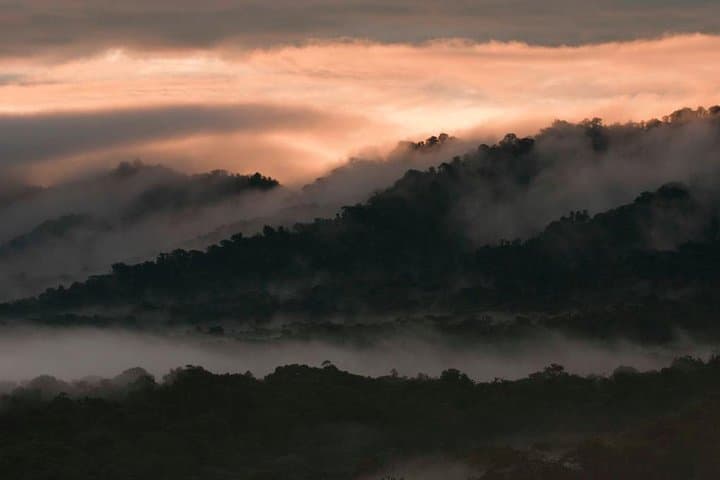
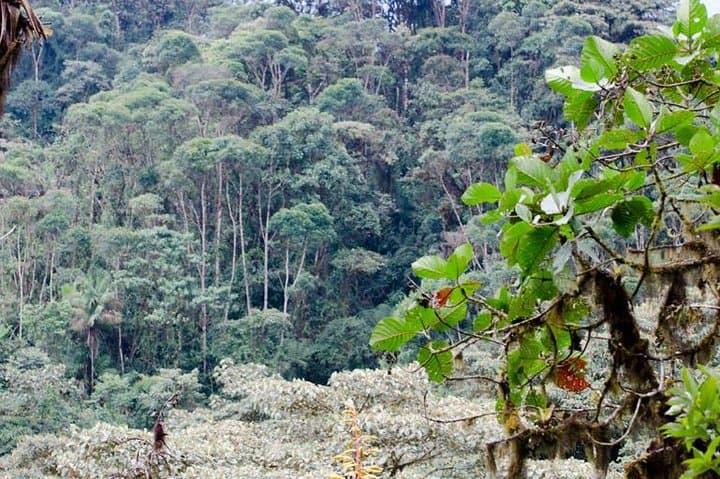
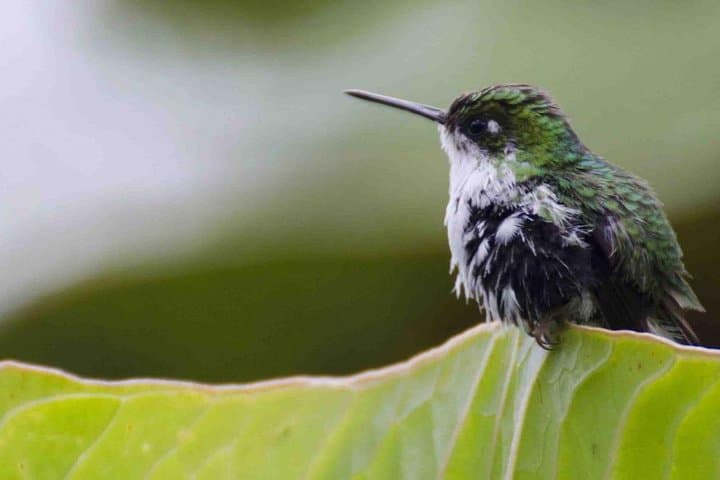
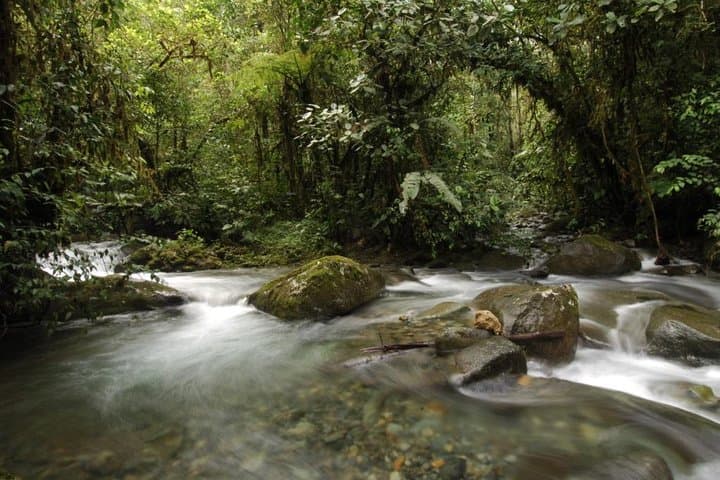
Mist sits low among moss-draped trees as you step from the lodge porch into a world of damp leaves and thin, cool air. Trails climb and level through a green room of epiphytes; hummingbirds flash like quicksilver while a distant stream dares you to follow its ribbon downhill. The day begins with a breakfast facing rolling volcanic slopes, moves into two guided walks through well-marked trails, and ends with lunch before the return drive to Quito.
Mist sits low among moss-draped trees as you step from the lodge porch into a world of damp leaves and thin, cool air. Trails climb and level through a green room of epiphytes; hummingbirds flash like quicksilver while a distant stream dares you to follow its ribbon downhill. The day begins with a breakfast facing rolling volcanic slopes, moves into two guided walks through well-marked trails, and ends with lunch before the return drive to Quito.
Geologically the area is shaped by volcanic highs and eroded calderas—Pululahua crater is visible on the drive—creating fertile soils and steep microclimates that sustain an unusually rich cloud forest near the equator. Culturally, the corridor north of Quito blends mestizo highland farms with small communities that have long relied on these forests for water and traditional crops; modern conservation efforts focus on protecting bird habitat and sustainable tourism.
Practically, expect cool, moist conditions and easy, maintained paths suitable for most fitness levels. The lodge offers safe trails and guided interpretation—good for beginners and families. Walks typically total a few hours broken into two explorations: morning observation and an afternoon circuit after lunch. Bring a waterproof layer, sturdy shoes with grip, binoculars for birding, and modest cash for souvenirs or extra tips. Start early to avoid mid-afternoon clouds and optimize bird activity. The reserve’s combination of accessible trails, active bird life, and clear views of volcanic formations makes it an efficient, rewarding day trip from Quito.