THE ADVENTURE COLLECTIVE® · Independent discovery and booking for outdoor travel

Spend a few hours at Bella Mare in Punta Cana sampling award-winning Dominican cigars, chocolate, coffee and rum while shopping for Larimar, amber and local crafts. This guided visit combines demonstrations, tastings and time to shop with round-trip resort transport.
Spend a few hours at Bella Mare in Punta Cana sampling award-winning Dominican cigars, chocolate, coffee and rum while shopping for Larimar, amber and local crafts. This guided visit combines demonstrations, tastings and time to shop with round-trip resort transport.
You step off the resort shuttle into the warm pulse of Punta Cana and the scent of roasting cocoa meets fermented sugarcane.
Verified experiences and guided adventures in the surrounding area.
Operated by Caribbean Tour Service · Punta Cana, La Altagracia
You step off the resort shuttle into the warm pulse of Punta Cana and the scent of roasting cocoa meets fermented sugarcane.
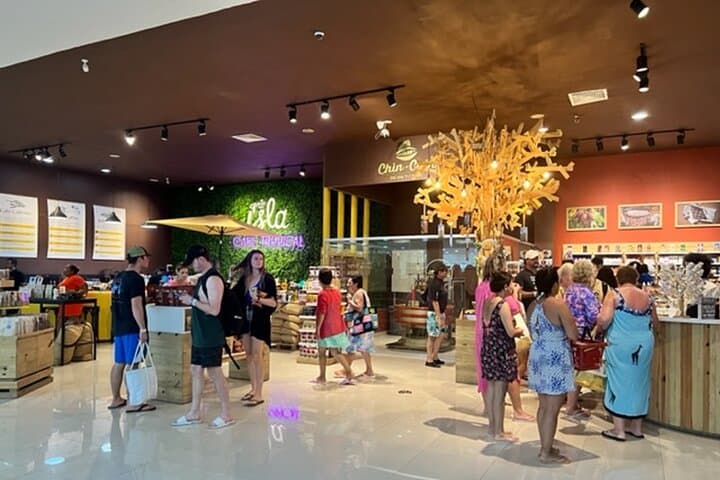
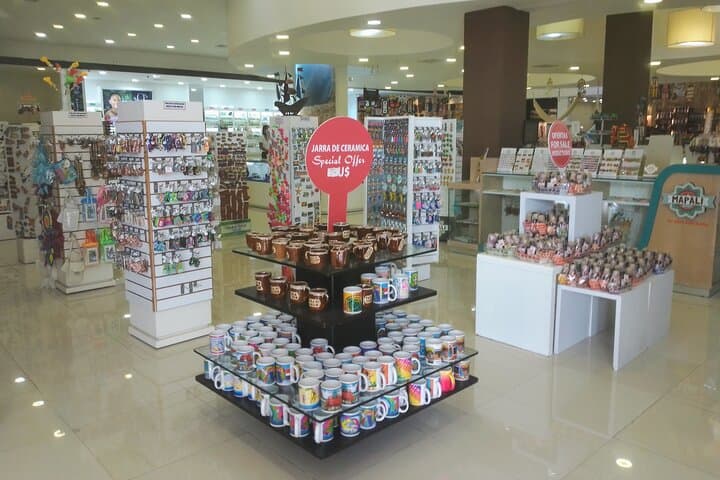
Bella Mare’s compound is straightforward—shopfronts, a small cigar museum, tasting tables—and the visit moves at a measured pace: watch rollers form leaves, sample dark chocolate, sip rum blends, then browse Larimar and amber jewelry.
The Dominican Republic’s cigar history stretches back generations, tied to migratory agricultural skills and island-grown tobacco varieties. Geologically, eastern Hispaniola’s coral limestone underpins the region’s flat hotel plains, while coastal breezes keep humidity high—important for cigar storage and chocolate tempering. Culturally, the visit threads local craft to everyday life: mamajuana bottles, ceramic artisans, and coffee roasted in small batches.
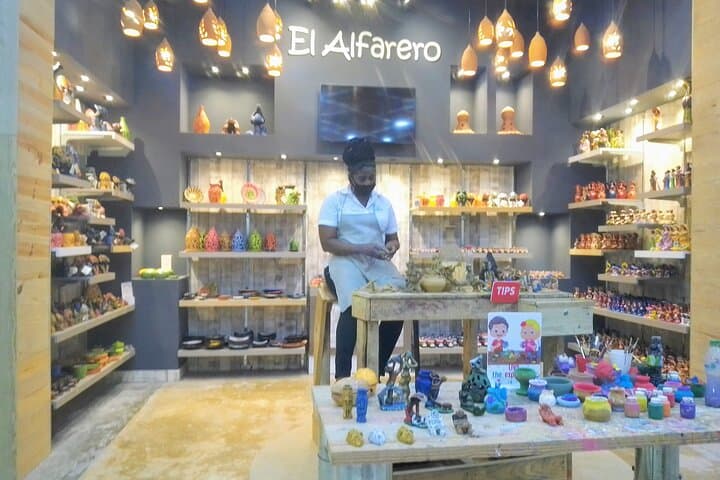
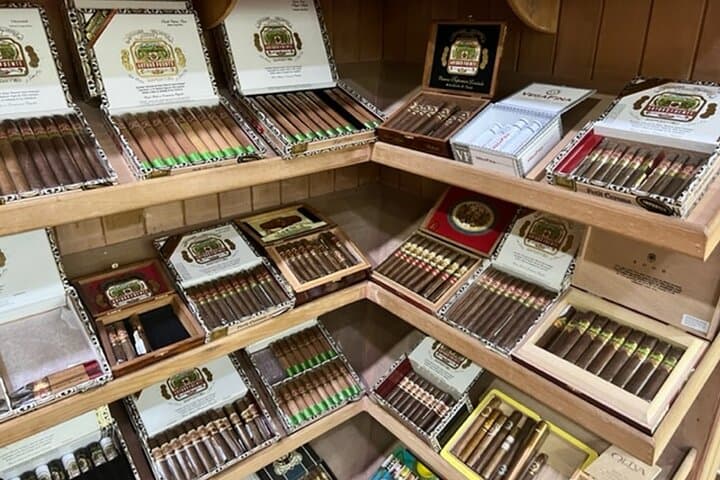
Expect a mix of demonstration and retail: a cigar museum display, hands-on pottery glimpses, and guided tastings that explain strength profiles and pairings. Staff typically speak Spanish and English; group sizes can be large, so you’ll move through stations rather than linger.
Practical notes: plan for 2–3 hours including hotel transfers, carry a light bag for purchases, and bring local currency for small vendors (cards are accepted but not universal). If you’re buying cigars for travel, ask about humidification and customs limits. The site is wheelchair accessible and family friendly; pick-up windows vary by resort, so confirm your time the day before.
This tour is less about wilderness and more about heritage and flavor—an efficient way to collect authentic Dominican goods and learn the basics of cigar, coffee, chocolate, and rum production.
easy.
2–3 hours.
Minimal fitness required; light walking and standing during demonstrations and shopping.
Yes—most bookings include round-trip resort pickup and drop-off; pick-up windows vary by resort so confirm your exact time after booking.
Rum, coffee, chocolate and some cigar tastings are included; portions are tasting-sized and intended to showcase flavors rather than full servings.
Yes; Bella Mare notes wheelchair accessibility throughout the shopping and demonstration areas.
Yes, but ask staff for packing and humidification tips and be aware of your carrier and customs rules for tobacco imports.
Dominican cigars reflect a long island tradition blending indigenous and immigrant tobacco techniques; Punta Cana’s craft shops also preserve local jewelry and ceramic-making skills.
Buy responsibly: avoid items made from coral or endangered species, prefer certified Larimar and sustainably sourced coffee and rum to support local producers.
Caribbean Tour Service operates guided outdoor trips and adventures with an emphasis on safety, stewardship, and memorable experiences.
You step off the resort shuttle into the warm pulse of Punta Cana and the scent of roasting cocoa meets fermented sugarcane.
You step off the resort shuttle into the warm pulse of Punta Cana and the scent of roasting cocoa meets fermented sugarcane.
Bella Mare’s compound is straightforward—shopfronts, a small cigar museum, tasting tables—and the visit moves at a measured pace: watch rollers form leaves, sample dark chocolate, sip rum blends, then browse Larimar and amber jewelry.
The Dominican Republic’s cigar history stretches back generations, tied to migratory agricultural skills and island-grown tobacco varieties. Geologically, eastern Hispaniola’s coral limestone underpins the region’s flat hotel plains, while coastal breezes keep humidity high—important for cigar storage and chocolate tempering. Culturally, the visit threads local craft to everyday life: mamajuana bottles, ceramic artisans, and coffee roasted in small batches.
Expect a mix of demonstration and retail: a cigar museum display, hands-on pottery glimpses, and guided tastings that explain strength profiles and pairings. Staff typically speak Spanish and English; group sizes can be large, so you’ll move through stations rather than linger.
Practical notes: plan for 2–3 hours including hotel transfers, carry a light bag for purchases, and bring local currency for small vendors (cards are accepted but not universal). If you’re buying cigars for travel, ask about humidification and customs limits. The site is wheelchair accessible and family friendly; pick-up windows vary by resort, so confirm your time the day before.
This tour is less about wilderness and more about heritage and flavor—an efficient way to collect authentic Dominican goods and learn the basics of cigar, coffee, chocolate, and rum production.