THE ADVENTURE COLLECTIVE® · Independent discovery and booking for outdoor travel

Float under dripping limestone roofs and peer at Maya-era pottery in one of Belize’s karst caves. This half-day cave tubing and Crystal Cave exploration blends jungle trekking, waterborne thrills and archaeological insight—ideal for travelers with a moderate fitness level.
Float under dripping limestone roofs and peer at Maya-era pottery in one of Belize’s karst caves. This half-day cave tubing and Crystal Cave exploration blends jungle trekking, waterborne thrills and archaeological insight—ideal for travelers with a moderate fitness level.
The river takes shape as a lazy highway through the understory, inviting you onto a black inner tube and downstream into a cooler, dimmer world. Within an hour’s drive west of Belize City the jungle tightens, palms and hardwoods leaning overhead as the guide points out a ruined wall or a hurricane-scarred community, then leads you into the cave mouth where stone has been building for thousands of years.
Verified experiences and guided adventures in the surrounding area.
Operated by Explore Belize Caves · Belize City, Belize District
The river takes shape as a lazy highway through the understory, inviting you onto a black inner tube and downstream into a cooler, dimmer world. Within an hour’s drive west of Belize City the jungle tightens, palms and hardwoods leaning overhead as the guide points out a ruined wall or a hurricane-scarred community, then leads you into the cave mouth where stone has been building for thousands of years.
These caves are part of Belize’s karst landscape—limestone carved by water into chambers threaded with stalactites and stalagmites. Many caverns were once sacred to the Maya; ceremonial offerings and pottery have been found in rock-hewn grottos, giving a human scale to the stone architecture. Geology and culture intersect here: dripping calcite, mineral-encrusted flowstone and the occasional crystal face catch a headlamp while local guides translate archaeological significance into plain language.
Expect a mix of short jungle hikes, waist-deep wading, and flat-water tubing. The guides typically provide tubes and flotation; you’ll float under low ceilings, stand to examine formations, and visit a cenote or blue pool for a swim and optional cliff jump. Groups are small, which keeps interpretation personal and pacing flexible.
Practical edge: wear closed water shoes with grip, bring a quick-dry change of clothes, biodegradable sunscreen and insect repellent, and a small dry bag for valuables. Avoid heavy rain days—cave currents rise and tours cancel for safety. Start early to miss the heat and to give yourself time for the one-hour return drive to Belize City.
moderate.
5 hours.
Moderately fit: comfortable walking on uneven jungle trails, wading through water, and climbing in/out of tubes
The tour typically involves about a one-hour drive west from Belize City to the cave area, depending on traffic and the exact cave site.
Most operators supply tubes and personal flotation devices; confirm when you book but bring your own water shoes and a dry bag.
Children above the stated height minimum (40 inches) can usually participate, but parents should assess water comfort and stamina—expect some walking and repeated getting in and out of tubes.
Photography is usually allowed, but touching archaeological material is prohibited to prevent damage; follow your guide’s directions in sensitive chambers.
Many caves in Belize served as ceremonial sites for the Maya; archaeologists have found pottery and offerings in chambered caverns that reveal ritual use over centuries.
These caves are archaeologically sensitive—stay on guided routes, avoid disturbing sediments or artifacts, and use biodegradable products to limit contamination.
Explore Belize Caves operates guided outdoor trips and adventures with an emphasis on safety, stewardship, and memorable experiences.
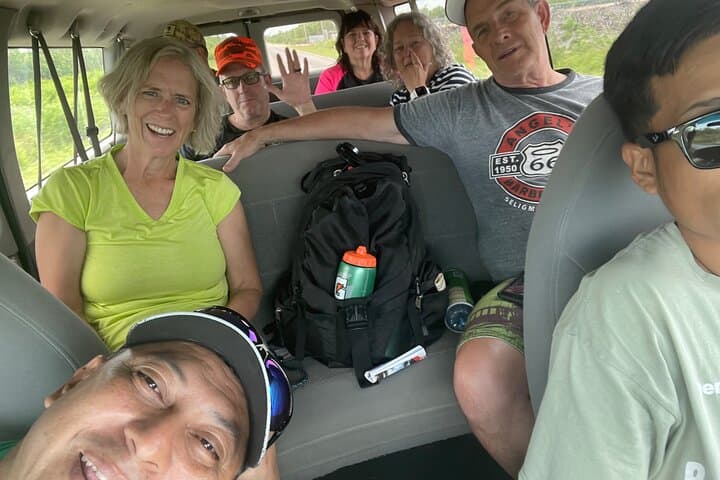
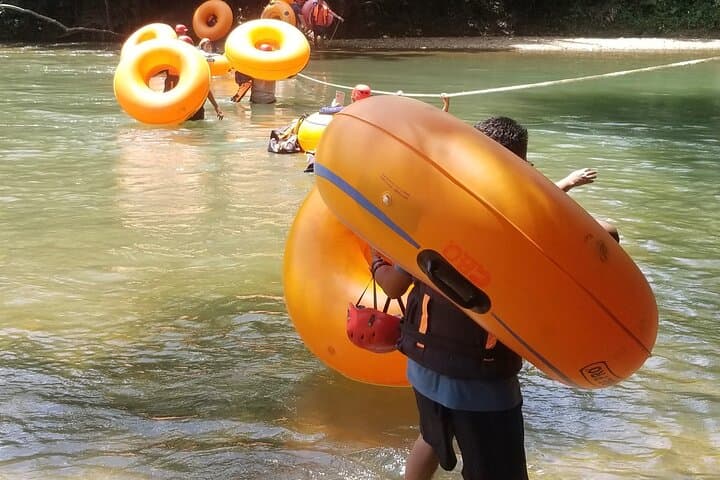
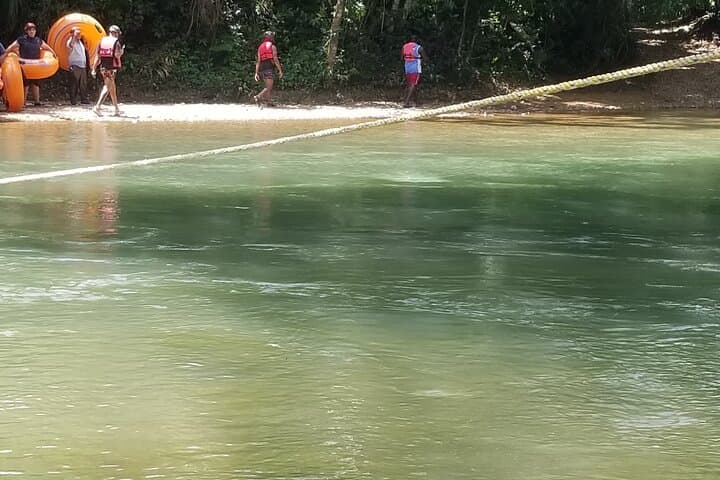
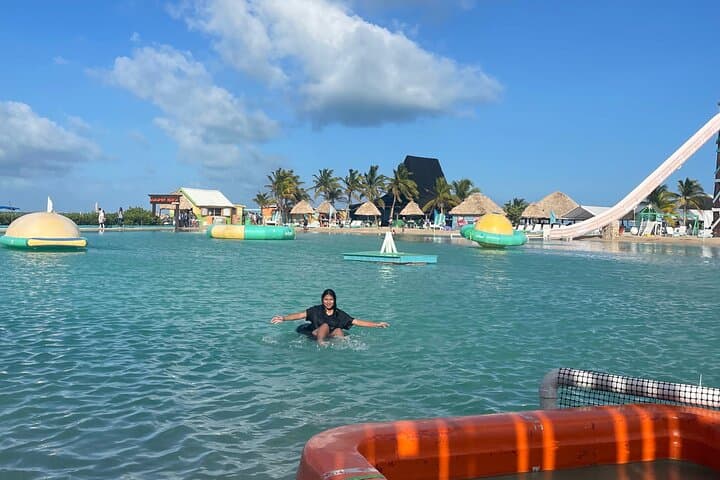
The river takes shape as a lazy highway through the understory, inviting you onto a black inner tube and downstream into a cooler, dimmer world. Within an hour’s drive west of Belize City the jungle tightens, palms and hardwoods leaning overhead as the guide points out a ruined wall or a hurricane-scarred community, then leads you into the cave mouth where stone has been building for thousands of years.
The river takes shape as a lazy highway through the understory, inviting you onto a black inner tube and downstream into a cooler, dimmer world. Within an hour’s drive west of Belize City the jungle tightens, palms and hardwoods leaning overhead as the guide points out a ruined wall or a hurricane-scarred community, then leads you into the cave mouth where stone has been building for thousands of years.
These caves are part of Belize’s karst landscape—limestone carved by water into chambers threaded with stalactites and stalagmites. Many caverns were once sacred to the Maya; ceremonial offerings and pottery have been found in rock-hewn grottos, giving a human scale to the stone architecture. Geology and culture intersect here: dripping calcite, mineral-encrusted flowstone and the occasional crystal face catch a headlamp while local guides translate archaeological significance into plain language.
Expect a mix of short jungle hikes, waist-deep wading, and flat-water tubing. The guides typically provide tubes and flotation; you’ll float under low ceilings, stand to examine formations, and visit a cenote or blue pool for a swim and optional cliff jump. Groups are small, which keeps interpretation personal and pacing flexible.
Practical edge: wear closed water shoes with grip, bring a quick-dry change of clothes, biodegradable sunscreen and insect repellent, and a small dry bag for valuables. Avoid heavy rain days—cave currents rise and tours cancel for safety. Start early to miss the heat and to give yourself time for the one-hour return drive to Belize City.