THE ADVENTURE COLLECTIVE® · Independent discovery and booking for outdoor travel

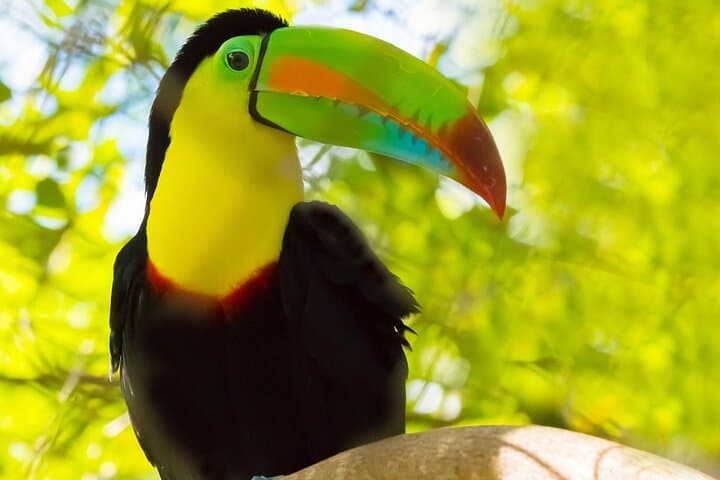
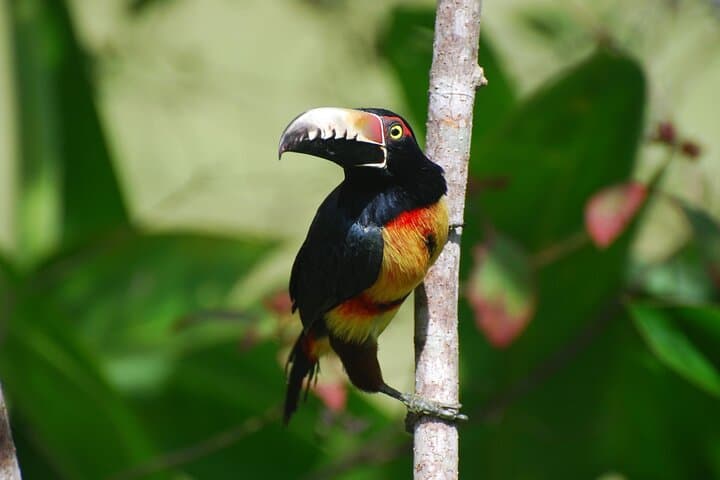
Start before dawn in Hopkins for a focused three-hour birding tour along Sittee River. Expect toucans, kingfishers and motmots as guides use local knowledge to find active species in mangrove and lowland forest.
Start before dawn in Hopkins for a focused three-hour birding tour along Sittee River. Expect toucans, kingfishers and motmots as guides use local knowledge to find active species in mangrove and lowland forest.
Dawn arrives over mangroves and low coastal forest as passengers step out of an air-conditioned van and into the hush of a Hopkins morning. Birdcalls thread through the humidity; a toucan’s bright bill punctuates the canopy and a kingfisher flashes at the river’s edge. The guide points, scope steady — the first hour is all about eyes and ears waking up to the forest.
Verified experiences and guided adventures in the surrounding area.
Operated by Get to Know Belize Adventures · Hopkins, Stann Creek District
Dawn arrives over mangroves and low coastal forest as passengers step out of an air-conditioned van and into the hush of a Hopkins morning. Birdcalls thread through the humidity; a toucan’s bright bill punctuates the canopy and a kingfisher flashes at the river’s edge. The guide points, scope steady — the first hour is all about eyes and ears waking up to the forest.
Belize protects large swaths of habitat under national parks, reserves and community-managed areas overseen by groups such as the Belize Audubon Society. Geologically the coast here is flat limestone and alluvial plain; rivers and mangroves slice inland, creating the mix of freshwater and coastal edge that draws both riverine and forest species. The Garifuna culture of Hopkins gives the day a local rhythm — small villages, fishing traditions, and a hospitality that complements nature-based visits.
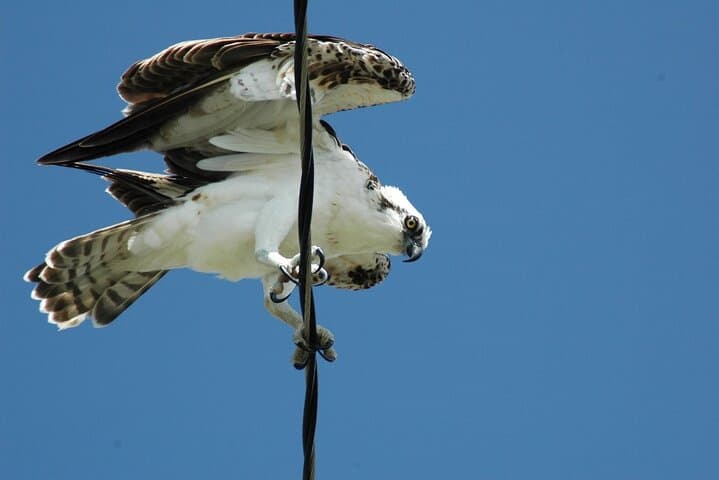
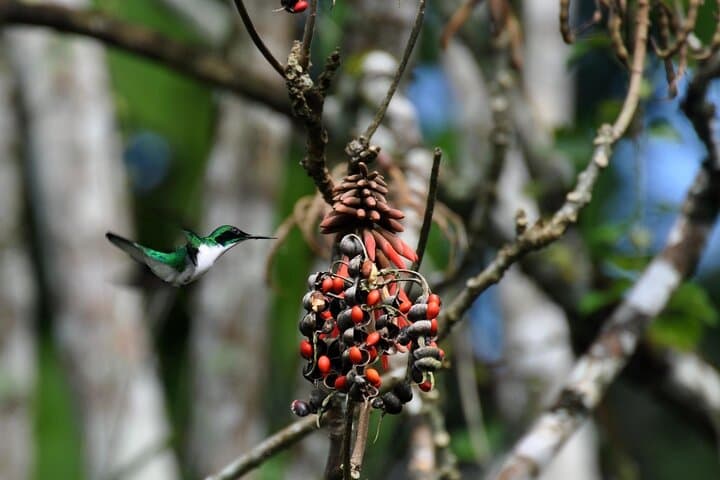
Expect a concentrated morning of low-impact birding: Sittee River channels, mangrove fringes, and shady secondary forest that favor species like keel-billed toucans, motmots, kingfishers and the occasional raptor. Guides supply binoculars and local knowledge; the tour is designed for accessible, beginner-friendly observation rather than long hikes.
Practical advice: arrive before sunrise, dress in lightweight long sleeves and insect repellent, bring a refillable water bottle and a camera with a zoom lens. Morning light is best for sightings and photography; plan travel time from Hopkins or surrounding villages and allow the guide’s local timing to maximize species activity. Respect quiet protocols, keep distance from nests, and leave no trace — the birds depend on it.
easy.
3 hours.
Suitable for most fitness levels; minimal walking and mostly roadside or short trail stops
Tours begin just before dawn to match peak bird activity; exact pickup times depend on season and sunrise and will be confirmed at booking.
Guides commonly bring spare binoculars, but guests are encouraged to bring their own for comfort and better optics.
Yes — the tour is graded easy and suitable for all ages; routes are short and guides adapt pace for families and novice birders.
The operator may cancel or reschedule if conditions make viewing unsafe or uncomfortable; cancellation policies typically offer refunds if made at least 24 hours in advance.
Belize’s protected-area network expanded in the 20th century with support from local conservation groups; many coastal and inland reserves are community-managed and reflect both Maya and Garifuna heritage.
Low-impact guiding and community-based tourism support habitat protection; visitors should avoid feeding wildlife, stick to paths, and follow guide instructions to minimize disturbance.
Get to Know Belize Adventures operates guided outdoor trips and adventures with an emphasis on safety, stewardship, and memorable experiences.
Dawn arrives over mangroves and low coastal forest as passengers step out of an air-conditioned van and into the hush of a Hopkins morning. Birdcalls thread through the humidity; a toucan’s bright bill punctuates the canopy and a kingfisher flashes at the river’s edge. The guide points, scope steady — the first hour is all about eyes and ears waking up to the forest.
Dawn arrives over mangroves and low coastal forest as passengers step out of an air-conditioned van and into the hush of a Hopkins morning. Birdcalls thread through the humidity; a toucan’s bright bill punctuates the canopy and a kingfisher flashes at the river’s edge. The guide points, scope steady — the first hour is all about eyes and ears waking up to the forest.
Belize protects large swaths of habitat under national parks, reserves and community-managed areas overseen by groups such as the Belize Audubon Society. Geologically the coast here is flat limestone and alluvial plain; rivers and mangroves slice inland, creating the mix of freshwater and coastal edge that draws both riverine and forest species. The Garifuna culture of Hopkins gives the day a local rhythm — small villages, fishing traditions, and a hospitality that complements nature-based visits.
Expect a concentrated morning of low-impact birding: Sittee River channels, mangrove fringes, and shady secondary forest that favor species like keel-billed toucans, motmots, kingfishers and the occasional raptor. Guides supply binoculars and local knowledge; the tour is designed for accessible, beginner-friendly observation rather than long hikes.
Practical advice: arrive before sunrise, dress in lightweight long sleeves and insect repellent, bring a refillable water bottle and a camera with a zoom lens. Morning light is best for sightings and photography; plan travel time from Hopkins or surrounding villages and allow the guide’s local timing to maximize species activity. Respect quiet protocols, keep distance from nests, and leave no trace — the birds depend on it.