THE ADVENTURE COLLECTIVE® · Independent discovery and booking for outdoor travel

Explore Belgrade on a self-paced scavenger hunt that links the National Museum, Kalemegdan Fortress, and riverside viewpoints with location-based riddles. Perfect for teams, couples, or solo explorers who want an active, flexible city adventure.
Explore Belgrade on a self-paced scavenger hunt that links the National Museum, Kalemegdan Fortress, and riverside viewpoints with location-based riddles. Perfect for teams, couples, or solo explorers who want an active, flexible city adventure.
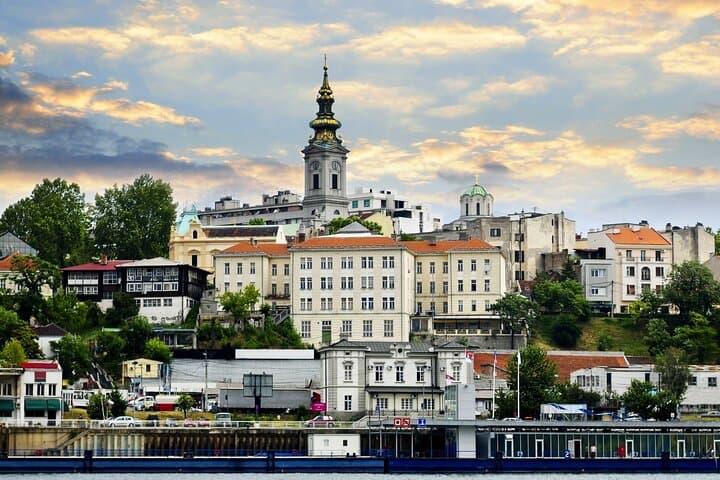
You step out onto a broad pedestrian lane and the city answers: tram bells, the river’s edge visible between buildings, and the low stone silhouette of Kalemegdan drawing you uphill.
Verified experiences and guided adventures in the surrounding area.
Operated by World City Trail · Belgrade, Belgrade
You step out onto a broad pedestrian lane and the city answers: tram bells, the river’s edge visible between buildings, and the low stone silhouette of Kalemegdan drawing you uphill.
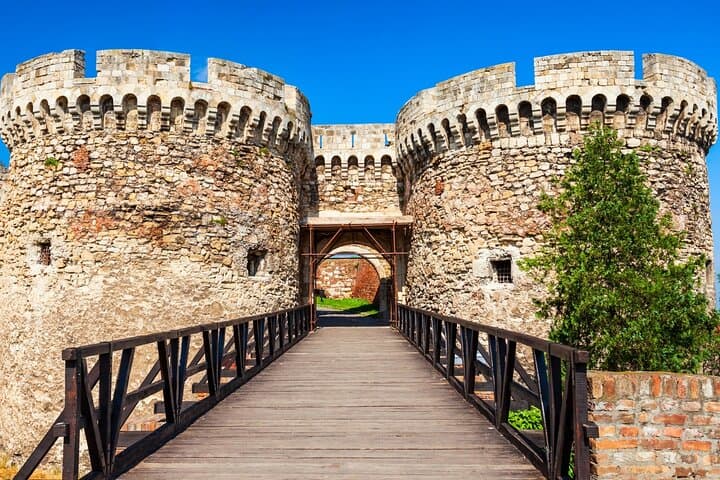
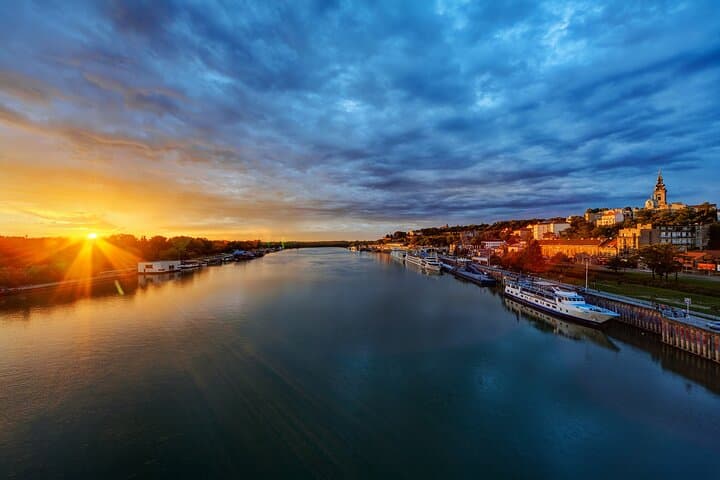
This self-guided scavenger hunt threads through Belgrade’s compact core, sending you from the National Museum to the Royal Gate and across fortress ramparts that look over where the Sava meets the Danube. The city’s layers are tactile here—Roman, Ottoman, Austro-Hungarian and Yugoslav marks all rubbing shoulders on narrow streets and public squares.
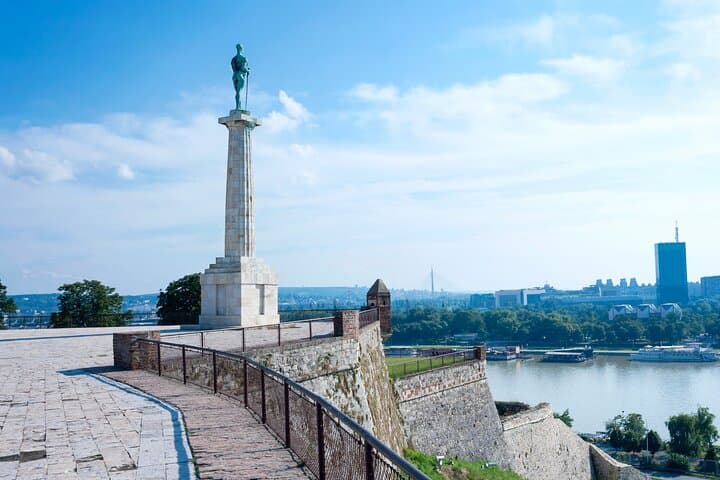
Geology and history meet on the fortress bluff: limestone ledges and human-made embankments keep watch above sweeping river views. Culture is immediate—cafes, street musicians, and monuments like the Monument of Gratitude to France punctuate the walking route and offer context for each riddle in the World City Trail app.
Practically, expect roughly 2–3 hours of easy walking covering about 2.1 km on paved sidewalks and fortress paths with short inclines. The puzzles use outdoor clues—no paid entries required—so you can pause for coffee or continue until the light slants over the rivers. Bring a charged phone with data to run the app, comfortable shoes for cobbled patches, and a light layer for wind off the river.
This format suits small teams, families, or solo explorers who prefer pace and autonomy. The route encourages observation—look up at facades, count plaques, and let local streets reveal themselves as part history lesson, part treasure hunt.
easy.
2–3 hours.
Basic urban walking fitness; able to manage short inclines and stairs for up to three hours.
No—this is self-guided and instant; you can begin whenever the app and ticket are activated and proceed at your own pace.
No—puzzles focus on outdoor areas and landmarks; entrances to museums or paid sites are optional and not required to complete the game.
Much of the route is on sidewalks, but the fortress area includes stairs and uneven surfaces; some sections may be difficult for larger strollers or mobility devices.
The app offers multiple languages including English, German, French, Dutch, Italian, and Spanish for clues and instructions.
Belgrade’s fortress has been fortified and rebuilt for centuries, reflecting Roman foundations and Ottoman and Austrian control that shaped the city’s layout and monuments.
Stick to marked paths, avoid climbing on fragile masonry at Kalemegdan, and dispose of litter in city bins—historic stonework and riverbanks are sensitive to wear.
World City Trail operates guided outdoor trips and adventures with an emphasis on safety, stewardship, and memorable experiences.
You step out onto a broad pedestrian lane and the city answers: tram bells, the river’s edge visible between buildings, and the low stone silhouette of Kalemegdan drawing you uphill.
You step out onto a broad pedestrian lane and the city answers: tram bells, the river’s edge visible between buildings, and the low stone silhouette of Kalemegdan drawing you uphill.
This self-guided scavenger hunt threads through Belgrade’s compact core, sending you from the National Museum to the Royal Gate and across fortress ramparts that look over where the Sava meets the Danube. The city’s layers are tactile here—Roman, Ottoman, Austro-Hungarian and Yugoslav marks all rubbing shoulders on narrow streets and public squares.
Geology and history meet on the fortress bluff: limestone ledges and human-made embankments keep watch above sweeping river views. Culture is immediate—cafes, street musicians, and monuments like the Monument of Gratitude to France punctuate the walking route and offer context for each riddle in the World City Trail app.
Practically, expect roughly 2–3 hours of easy walking covering about 2.1 km on paved sidewalks and fortress paths with short inclines. The puzzles use outdoor clues—no paid entries required—so you can pause for coffee or continue until the light slants over the rivers. Bring a charged phone with data to run the app, comfortable shoes for cobbled patches, and a light layer for wind off the river.
This format suits small teams, families, or solo explorers who prefer pace and autonomy. The route encourages observation—look up at facades, count plaques, and let local streets reveal themselves as part history lesson, part treasure hunt.