THE ADVENTURE COLLECTIVE® · Independent discovery and booking for outdoor travel

Cover Belgrade’s highlights in a single day: Avala Tower’s outlook, St. Sava’s dome, Republic Square, Kalemegdan Fortress and Zemun’s Gardos Hill. This practical, half-day-to-five-hour tour mixes driving and walking with local history and skyline views.
Cover Belgrade’s highlights in a single day: Avala Tower’s outlook, St. Sava’s dome, Republic Square, Kalemegdan Fortress and Zemun’s Gardos Hill. This practical, half-day-to-five-hour tour mixes driving and walking with local history and skyline views.
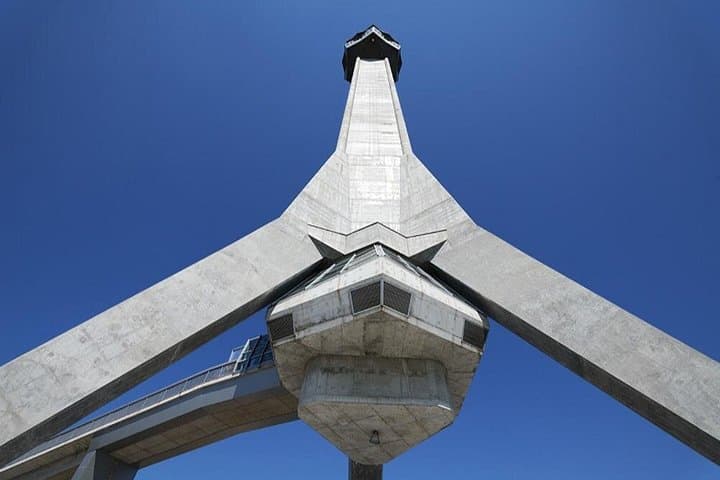
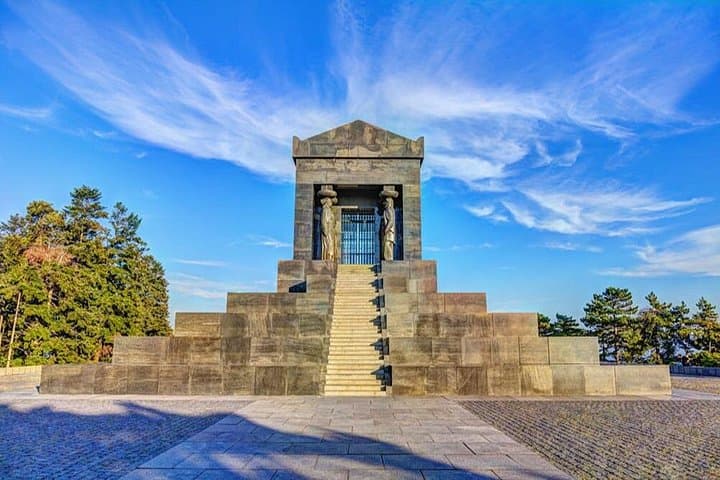
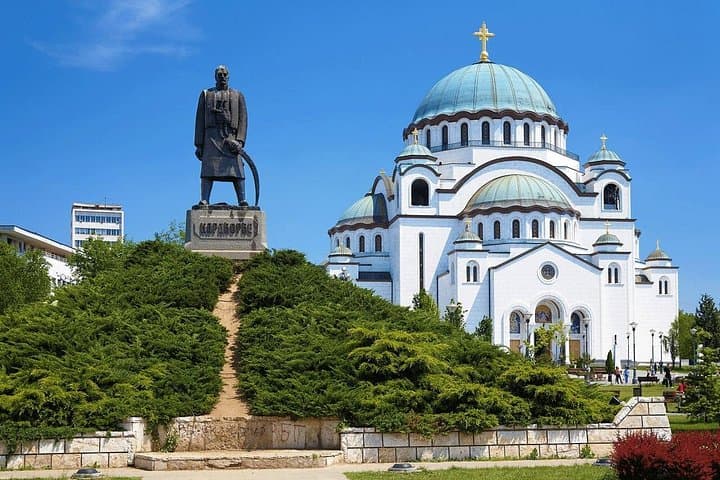
A morning in Belgrade begins on a winding road up Avala, where pines thin and the Monument of the Unknown Hero watches the plain below. The rebuilt Avala Tower slices the skyline—an observation point that sets the scale for the day. By midmorning the group is back in the city, stepping beneath the soaring dome of St. Sava, then easing into the hum of Republic Square and the pedestrian flow along Knez Mihailova.
Verified experiences and guided adventures in the surrounding area.
Operated by SERBIA INSPIRED TOURS · Belgrade, Belgrade
A morning in Belgrade begins on a winding road up Avala, where pines thin and the Monument of the Unknown Hero watches the plain below. The rebuilt Avala Tower slices the skyline—an observation point that sets the scale for the day. By midmorning the group is back in the city, stepping beneath the soaring dome of St. Sava, then easing into the hum of Republic Square and the pedestrian flow along Knez Mihailova.
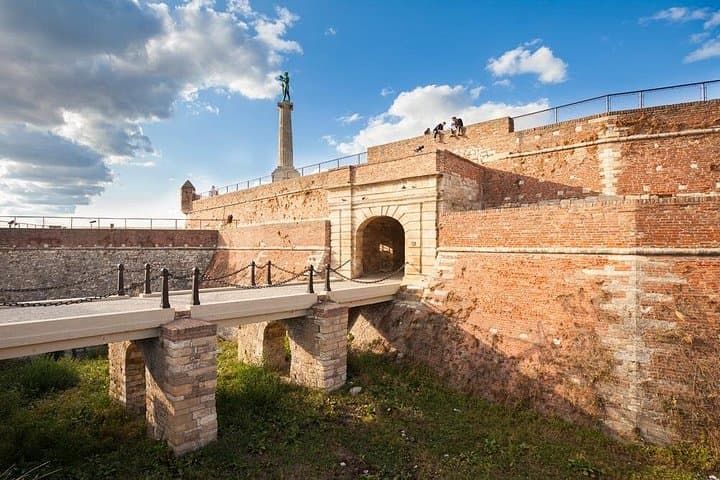
The route reads like a primer in Balkan history: Ottoman, Austro-Hungarian and Serbian layers visible in stone, monuments and street patterns. Kalemegdan Fortress perches where the Sava and Danube meet; the rivers dare you to look farther downstream and imagine centuries of trade, siege and renewal. Zemun’s Gardos Hill and the Millennium Tower speak to a different past—Habsburg-era architecture and riverfront taverns where the Danube’s current plays at the quay.
Culture here is tactile: espresso at a kafana, icons in church chapels, and walkable neighborhoods that switch from broad boulevards to narrow riverside alleys. Geology is modest—rolling Pannonian plain rising to low wooded ridges—but the views are what people remember.
Plan for five to six hours on a mixed driving-and-walking itinerary; comfortable shoes and a local guide make the details click. Bring ID for worship-site entry; dress modestly for church visits. Expect paved streets, short uphill sections at viewpoints, and pockets of uneven cobbles in Zemun. Afternoon light is best for photos at Kalemegdan and Gardos. Hydrate, watch for tram tracks, and leave room in your day to follow a local tip—Belgrade rewards a detour.
moderate.
5–6 hours.
Moderate—comfortable walking ability with short uphill sections and periods of standing during visits.
The tour lasts about 5–6 hours with a mix of driving and walking; walking segments include a 30–60 minute visit at key sites and a longer stroll through Knez Mihailova and Kalemegdan.
Yes, entry to Avala Tower and selected sites listed in the itinerary is included; confirm specifics when you book as offerings can change.
Infants and small children are accommodated; the tour involves stairs, cobblestones and some uphill walks so mobility limitations should be discussed in advance to plan alternatives.
Dress respectfully: shoulders and knees covered for both men and women; avoid hats inside churches and remove sunglasses when entering.
Belgrade’s core grew around Kalemegdan Fortress, occupied from Roman times; Avala Tower was destroyed in 1999 and rebuilt in 2010 as a modern observation point.
Riverbank areas are managed for public access and biodiversity—stay on marked paths and avoid disturbing nesting waterbirds; local efforts prioritize cleaner river water and responsible tourism.
SERBIA INSPIRED TOURS operates guided outdoor trips and adventures with an emphasis on safety, stewardship, and memorable experiences.
A morning in Belgrade begins on a winding road up Avala, where pines thin and the Monument of the Unknown Hero watches the plain below. The rebuilt Avala Tower slices the skyline—an observation point that sets the scale for the day. By midmorning the group is back in the city, stepping beneath the soaring dome of St. Sava, then easing into the hum of Republic Square and the pedestrian flow along Knez Mihailova.
A morning in Belgrade begins on a winding road up Avala, where pines thin and the Monument of the Unknown Hero watches the plain below. The rebuilt Avala Tower slices the skyline—an observation point that sets the scale for the day. By midmorning the group is back in the city, stepping beneath the soaring dome of St. Sava, then easing into the hum of Republic Square and the pedestrian flow along Knez Mihailova.
The route reads like a primer in Balkan history: Ottoman, Austro-Hungarian and Serbian layers visible in stone, monuments and street patterns. Kalemegdan Fortress perches where the Sava and Danube meet; the rivers dare you to look farther downstream and imagine centuries of trade, siege and renewal. Zemun’s Gardos Hill and the Millennium Tower speak to a different past—Habsburg-era architecture and riverfront taverns where the Danube’s current plays at the quay.
Culture here is tactile: espresso at a kafana, icons in church chapels, and walkable neighborhoods that switch from broad boulevards to narrow riverside alleys. Geology is modest—rolling Pannonian plain rising to low wooded ridges—but the views are what people remember.
Plan for five to six hours on a mixed driving-and-walking itinerary; comfortable shoes and a local guide make the details click. Bring ID for worship-site entry; dress modestly for church visits. Expect paved streets, short uphill sections at viewpoints, and pockets of uneven cobbles in Zemun. Afternoon light is best for photos at Kalemegdan and Gardos. Hydrate, watch for tram tracks, and leave room in your day to follow a local tip—Belgrade rewards a detour.