THE ADVENTURE COLLECTIVE® · Independent discovery and booking for outdoor travel

Explore Belfast’s politicized streets with a private guide who offers an Irish Republican perspective on murals, memorials and clandestine museums. This three‑hour tour visits Peace Walls, Milltown Cemetery and off‑route sites that reveal the city’s contested past.
Explore Belfast’s politicized streets with a private guide who offers an Irish Republican perspective on murals, memorials and clandestine museums. This three‑hour tour visits Peace Walls, Milltown Cemetery and off‑route sites that reveal the city’s contested past.
You step out of the air‑conditioned vehicle onto a street where paint and politics share the walls — concrete panels painted with faces, slogans and dates that still shape daily life. The air carries oil and rain, boots echo on cobbles, and guides who once lived these streets trace decisions that turned neighborhoods into frontlines.
Verified experiences and guided adventures in the surrounding area.
Operated by Giants Causeway Tours · Belfast, Northern Ireland
You step out of the air‑conditioned vehicle onto a street where paint and politics share the walls — concrete panels painted with faces, slogans and dates that still shape daily life. The air carries oil and rain, boots echo on cobbles, and guides who once lived these streets trace decisions that turned neighborhoods into frontlines.
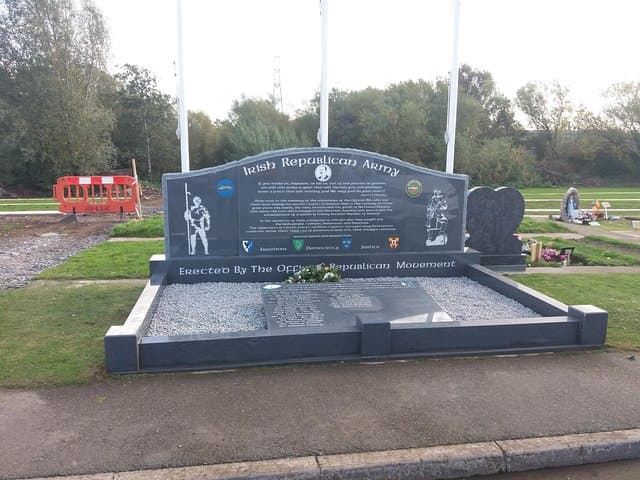
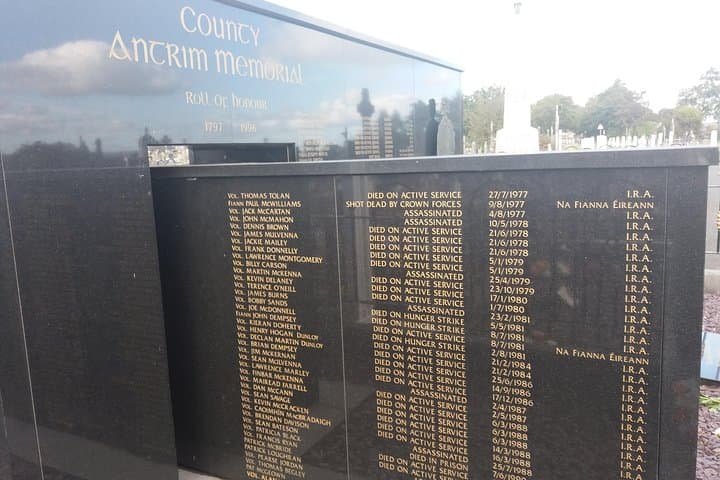
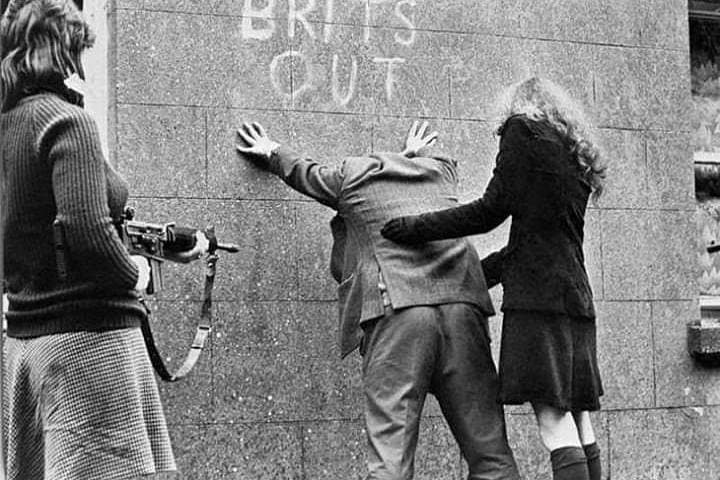
This private three‑hour tour moves through Belfast’s Republican heartland: Falls Road murals, Peace Walls and Milltown Cemetery where Bobby Sands and other hunger strikers are buried. The narrative spans centuries — from plantation-era contests over land and law to the 20th century’s partition and the late‑20th century Troubles — and focuses on Irish Republican perspectives, local memorials and the political symbolism etched into urban fabric.
Expect concentrated history and geology isn’t the focus here; instead cultural markers, murals and grave monuments act as landscape. Guides (often former activists or ex-prisoners) explain paramilitary structures, ceasefires and the ongoing peace process while giving context for murals, memorial gardens and Clonard Monastery’s role as a community anchor.
Practical notes: the itinerary includes stops not commonly open to tourists — small museums, private memorials and cemetery plots — so wear comfortable shoes for short walks between vehicle and sites, bring photographic courtesy (ask before shooting people or private collections) and allow time for questions. Morning tours avoid school traffic and evening light makes murals pop. This is an urban, emotionally charged tour: listen, reflect and leave room for the local voices and memories that continue to shape Belfast’s streets.
easy.
3 hours.
Suitable for most fitness levels; involves brief walks and standing at viewpoints
Yes—content is historical and political; parents should consider age and sensitivity to conflict topics before booking.
Many stops are vehicle‑adjacent and accessible, but some cemetery paths and narrow streets may be uneven—notify the operator to plan accommodations.
Guides may arrange conversations with former prisoners when available, but these meetings depend on schedules and consent—ask when booking.
Photography is permitted at most murals and public memorials but always check with your guide before photographing private collections or individuals.
Belfast’s divisions intensified after 1969; peace walls were first erected that year and many remain as physical reminders of partitioned neighborhoods.
Treat memorial sites with care: avoid defacing murals and follow museum guidance; supporting local museums and community projects helps preserve fragile collections and oral histories.
Giants Causeway Tours operates guided outdoor trips and adventures with an emphasis on safety, stewardship, and memorable experiences.
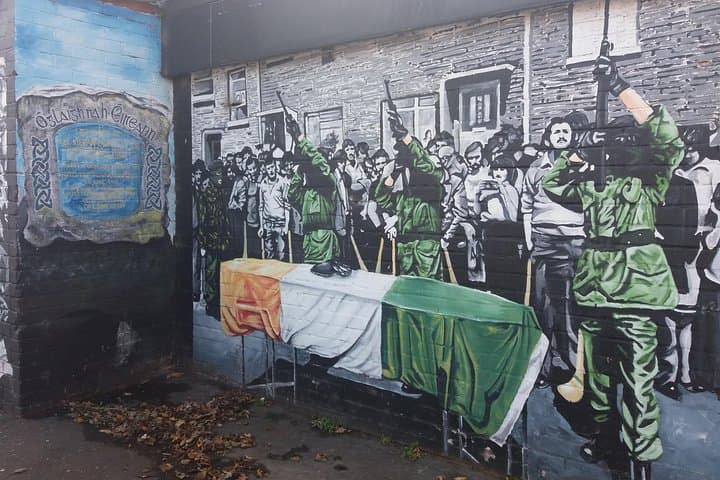
You step out of the air‑conditioned vehicle onto a street where paint and politics share the walls — concrete panels painted with faces, slogans and dates that still shape daily life. The air carries oil and rain, boots echo on cobbles, and guides who once lived these streets trace decisions that turned neighborhoods into frontlines.
You step out of the air‑conditioned vehicle onto a street where paint and politics share the walls — concrete panels painted with faces, slogans and dates that still shape daily life. The air carries oil and rain, boots echo on cobbles, and guides who once lived these streets trace decisions that turned neighborhoods into frontlines.
This private three‑hour tour moves through Belfast’s Republican heartland: Falls Road murals, Peace Walls and Milltown Cemetery where Bobby Sands and other hunger strikers are buried. The narrative spans centuries — from plantation-era contests over land and law to the 20th century’s partition and the late‑20th century Troubles — and focuses on Irish Republican perspectives, local memorials and the political symbolism etched into urban fabric.
Expect concentrated history and geology isn’t the focus here; instead cultural markers, murals and grave monuments act as landscape. Guides (often former activists or ex-prisoners) explain paramilitary structures, ceasefires and the ongoing peace process while giving context for murals, memorial gardens and Clonard Monastery’s role as a community anchor.
Practical notes: the itinerary includes stops not commonly open to tourists — small museums, private memorials and cemetery plots — so wear comfortable shoes for short walks between vehicle and sites, bring photographic courtesy (ask before shooting people or private collections) and allow time for questions. Morning tours avoid school traffic and evening light makes murals pop. This is an urban, emotionally charged tour: listen, reflect and leave room for the local voices and memories that continue to shape Belfast’s streets.