THE ADVENTURE COLLECTIVE® · Independent discovery and booking for outdoor travel

Opting for a private chauffeur from Belfast to Dublin turns a variable cross‑border journey into a reliable, productive transfer. Learn what to expect—from likely drive times and vehicle options to timing tips and local insights.
Opting for a private chauffeur from Belfast to Dublin turns a variable cross‑border journey into a reliable, productive transfer. Learn what to expect—from likely drive times and vehicle options to timing tips and local insights.
The car eases out of Belfast city streets before dawn, streetlamps receding as the driver slips onto the motorway. Through the front window the low hills of County Down slide by; the Irish Sea tugs at the coast to the east while the road pushes you toward Dublin’s terminals. It’s a transport hour made quiet and efficient.
Verified experiences and guided adventures in the surrounding area.
Operated by McIlroy Chauffeur Services · Belfast, Northern Ireland
The car eases out of Belfast city streets before dawn, streetlamps receding as the driver slips onto the motorway. Through the front window the low hills of County Down slide by; the Irish Sea tugs at the coast to the east while the road pushes you toward Dublin’s terminals. It’s a transport hour made quiet and efficient.
This route follows centuries of movement between two economic centers: Belfast’s shipbuilding yards and linen mills reshaped the 19th century, while Dublin has long been Ireland’s political and cultural hub. Geologically the corridor crosses glacial drumlins and the River Lagan valley—modest terrain that rarely demands more than steady traction but offers intermittent coastal glimpses if you detour.
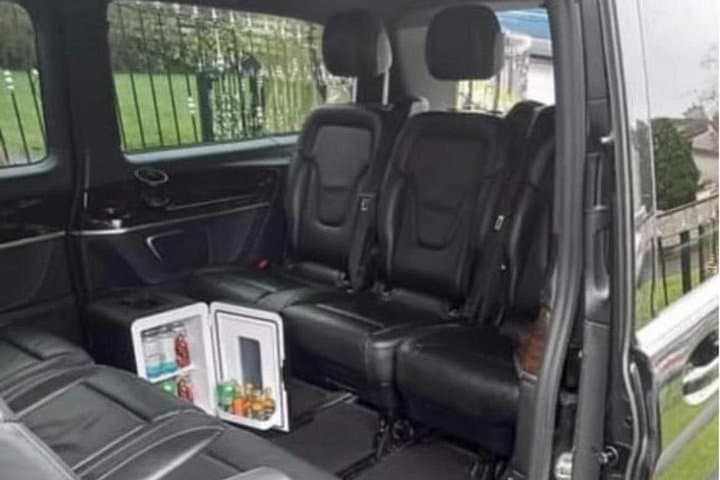
Culturally, drivers often know local shortcuts, and a professional chauffeur can turn travel time into productive or peaceful moments—checking flight details, offering bottled water, or handling luggage. Cross-border travel is routine; passports are recommended even if formal checks are uncommon.
Practical guidance: expect 1.5–3 hours door-to-door depending on traffic and which airport you use (Belfast City, Belfast International, or Dublin). Vehicles typically seat up to three passengers with luggage in executive saloons; MPVs are available for larger groups. Confirm infant seats and special requests when booking. Allow extra time for morning rush hour and international flights; keep devices charged—the cars usually have Wi‑Fi and chargers. For lower emissions, ask about vehicle type or shared options when you reserve. A private transfer trades the uncertainty of trains and buses for punctuality and door-to-door control—valuable when flight schedules matter.
easy.
1–3 hours.
Minimal physical effort; able to board/exist a vehicle and handle personal luggage
Typical drive time is 1.5–3 hours door-to-door depending on traffic, which airport you’re using, and time of day.
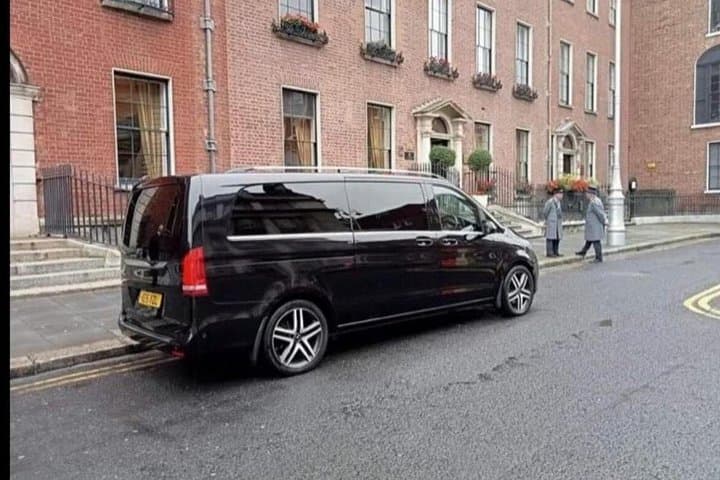
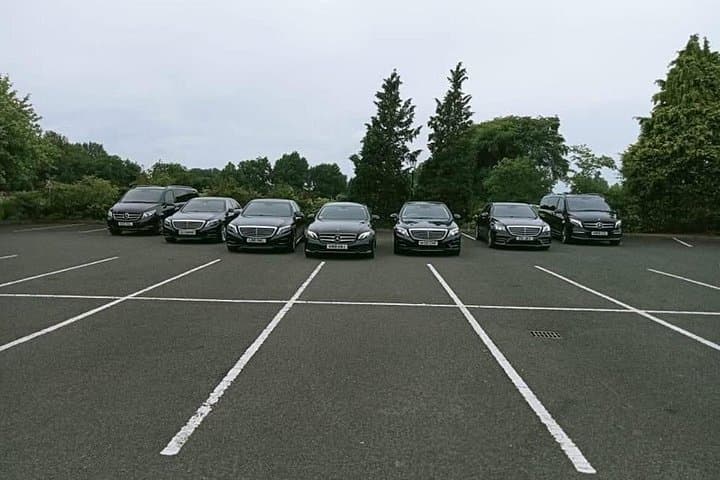
Executive saloons seat up to 3 passengers with luggage; request an MPV (e.g., Mercedes Viano) for larger groups or extra gear.
Yes—specialized infant seats are available but must be requested when booking to ensure availability.
Provide your flight number when booking; most chauffeurs monitor arrivals and will adjust pickup within the agreed cancellation policy window.
The Belfast–Dublin corridor grew with 19th‑century industry—Belfast’s shipyards and linen trade connected goods and people to Dublin’s commercial markets.
Road transfers emit CO2; ask about newer low‑emission vehicles, combine group bookings when possible, and stay on designated roads to protect roadside habitats.
McIlroy Chauffeur Services operates guided outdoor trips and adventures with an emphasis on safety, stewardship, and memorable experiences.
The car eases out of Belfast city streets before dawn, streetlamps receding as the driver slips onto the motorway. Through the front window the low hills of County Down slide by; the Irish Sea tugs at the coast to the east while the road pushes you toward Dublin’s terminals. It’s a transport hour made quiet and efficient.
The car eases out of Belfast city streets before dawn, streetlamps receding as the driver slips onto the motorway. Through the front window the low hills of County Down slide by; the Irish Sea tugs at the coast to the east while the road pushes you toward Dublin’s terminals. It’s a transport hour made quiet and efficient.
This route follows centuries of movement between two economic centers: Belfast’s shipbuilding yards and linen mills reshaped the 19th century, while Dublin has long been Ireland’s political and cultural hub. Geologically the corridor crosses glacial drumlins and the River Lagan valley—modest terrain that rarely demands more than steady traction but offers intermittent coastal glimpses if you detour.
Culturally, drivers often know local shortcuts, and a professional chauffeur can turn travel time into productive or peaceful moments—checking flight details, offering bottled water, or handling luggage. Cross-border travel is routine; passports are recommended even if formal checks are uncommon.
Practical guidance: expect 1.5–3 hours door-to-door depending on traffic and which airport you use (Belfast City, Belfast International, or Dublin). Vehicles typically seat up to three passengers with luggage in executive saloons; MPVs are available for larger groups. Confirm infant seats and special requests when booking. Allow extra time for morning rush hour and international flights; keep devices charged—the cars usually have Wi‑Fi and chargers. For lower emissions, ask about vehicle type or shared options when you reserve. A private transfer trades the uncertainty of trains and buses for punctuality and door-to-door control—valuable when flight schedules matter.