THE ADVENTURE COLLECTIVE® · Independent discovery and booking for outdoor travel

Explore Belém on a 2–3 hour self-guided urban escape game that turns monuments, riverfront promenades and pastry-lined streets into puzzle locations. Perfect for curious walkers who want history, local color and playful challenge in one outing.
Explore Belém on a 2–3 hour self-guided urban escape game that turns monuments, riverfront promenades and pastry-lined streets into puzzle locations. Perfect for curious walkers who want history, local color and playful challenge in one outing.
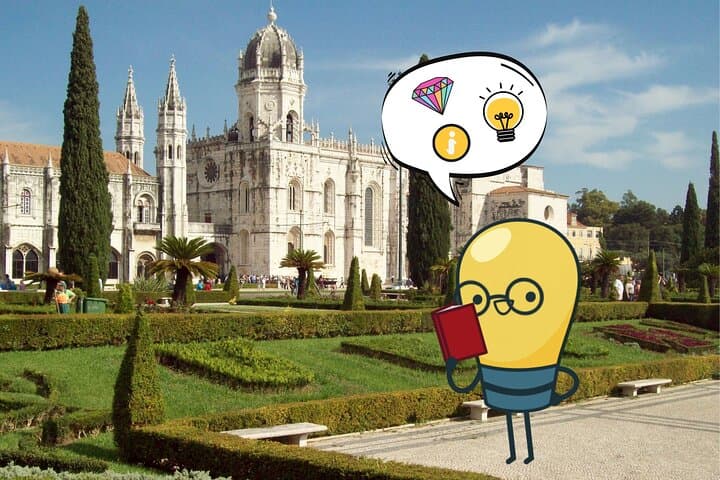
You step out of the shadow of the Jerónimos Monastery into a square where stone faces and carved ropes seem to watch you closely. The Tagus hums nearby, daring you to follow its curve as the game app pings your first clue.
Verified experiences and guided adventures in the surrounding area.
Operated by Coddy · Lisbon, Lisboa
You step out of the shadow of the Jerónimos Monastery into a square where stone faces and carved ropes seem to watch you closely. The Tagus hums nearby, daring you to follow its curve as the game app pings your first clue.
This urban escape experience threads modern puzzle-play through Belém’s Age of Discovery landmarks. As you move from ornate façades to riverside promenades you’ll encounter Manueline stonework, 16th‑century navigational stories, and mosaiced sidewalks that map both conquest and commerce. The terrain is flat city streets and wide promenades with occasional plaza steps — easy walking with frequent stops to study plaques, sculptures and shopfront details.
Culturally, Belém is Lisbon’s ceremonial shore: maritime monuments, pastry shops with long queues, and museums that chronicle explorers’ routes. Geologically, the neighborhood sits on low, reclaimed river terraces where the Tagus slows and widens, shaping promenades and green pockets.
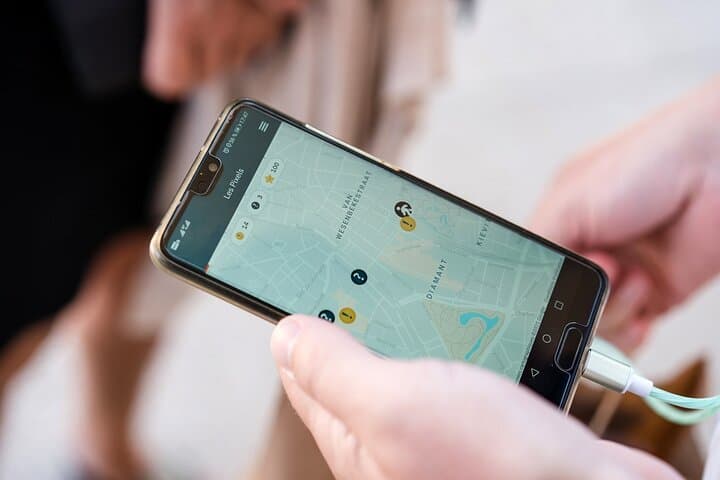
Practically, the game runs on your smartphone; it’s private and paced for groups up to six. Expect 2–3 hours of walking and observation, intermittent bursts of sleuthing and photo-friendly pauses. Bring charged devices, comfortable shoes, and a portable battery — the puzzles reward careful observation more than speed. Start mid-morning to avoid crowds at Pastéis de Belém and to catch softer light on stonework.
Whether you’re with family or friends, this is a way to learn Belém’s stories by doing: noticing carved compass roses, timing river light, and following clues that force you to see familiar streets as if for the first time.
easy.
2–3 hours.
Light walking fitness — suitable for most ages and mobility levels; wheelchair accessible routes available.
The experience is designed for about 2–3 hours, depending on how much time you spend at each clue and local sites.
Yes — the route is flat and wheelchair accessible; puzzles are adaptable for mixed-age groups and the pace is self-directed.
No — the game is self-guided via smartphone with 24/7 online support included for troubleshooting.
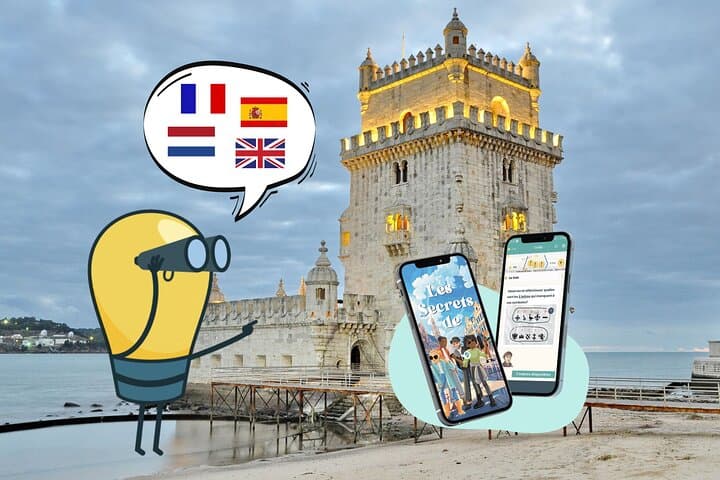
Most urban escape games in Lisbon are offered in Portuguese and English through the app; check booking details for additional languages.
Belém was Lisbon’s maritime hub in the 15th–16th centuries; monuments like the Jerónimos Monastery and Belém Tower mark Portugal’s Age of Discovery.
Historic monuments are fragile and high-traffic; stay on designated paths, avoid touching carved surfaces, and support local businesses rather than leaving trash.
Coddy operates guided outdoor trips and adventures with an emphasis on safety, stewardship, and memorable experiences.
You step out of the shadow of the Jerónimos Monastery into a square where stone faces and carved ropes seem to watch you closely. The Tagus hums nearby, daring you to follow its curve as the game app pings your first clue.
You step out of the shadow of the Jerónimos Monastery into a square where stone faces and carved ropes seem to watch you closely. The Tagus hums nearby, daring you to follow its curve as the game app pings your first clue.
This urban escape experience threads modern puzzle-play through Belém’s Age of Discovery landmarks. As you move from ornate façades to riverside promenades you’ll encounter Manueline stonework, 16th‑century navigational stories, and mosaiced sidewalks that map both conquest and commerce. The terrain is flat city streets and wide promenades with occasional plaza steps — easy walking with frequent stops to study plaques, sculptures and shopfront details.
Culturally, Belém is Lisbon’s ceremonial shore: maritime monuments, pastry shops with long queues, and museums that chronicle explorers’ routes. Geologically, the neighborhood sits on low, reclaimed river terraces where the Tagus slows and widens, shaping promenades and green pockets.
Practically, the game runs on your smartphone; it’s private and paced for groups up to six. Expect 2–3 hours of walking and observation, intermittent bursts of sleuthing and photo-friendly pauses. Bring charged devices, comfortable shoes, and a portable battery — the puzzles reward careful observation more than speed. Start mid-morning to avoid crowds at Pastéis de Belém and to catch softer light on stonework.
Whether you’re with family or friends, this is a way to learn Belém’s stories by doing: noticing carved compass roses, timing river light, and following clues that force you to see familiar streets as if for the first time.